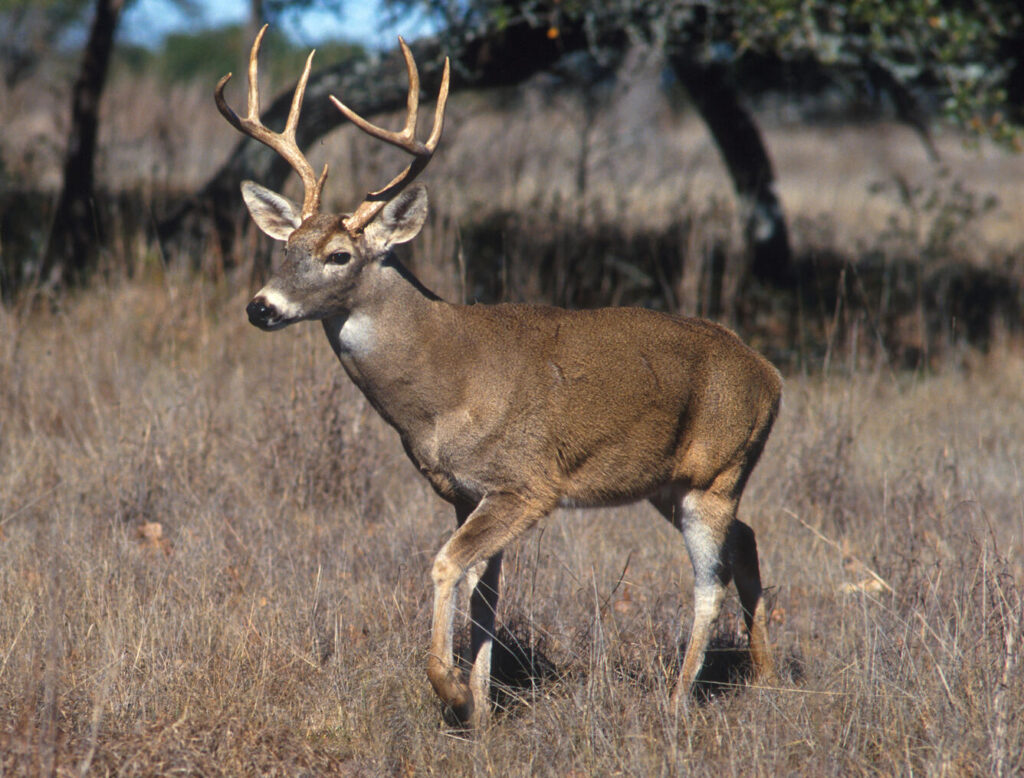
When a deer disease starts affecting hunters’ plans across an entire state, the ripple effects reach far beyond wildlife management offices. South Dakota wildlife officials have begun offering hunting license refunds as reports of a deadly neurological disease in deer populations continue to mount — raising serious questions about the future of deer hunting in the region.
Chronic Wasting Disease (CWD), a fatal illness that affects deer, elk, and moose, has been spreading steadily across South Dakota. The disease attacks the animals’ nervous systems and is always fatal to infected animals. While there is currently no evidence that CWD can infect humans, wildlife managers and hunters alike are watching its spread with growing concern. State officials with the South Dakota Game, Fish and Parks department have responded by making hunting license refunds available to hunters in affected areas — an unusual step that reflects how seriously the situation is being taken.
What Hunters Need to Know
The refund option comes as new CWD detections continue to be reported across the state. Hunters who hold licenses in zones where disease activity has been confirmed may be eligible to return those licenses for a refund. Officials have encouraged hunters to check with the South Dakota Game, Fish and Parks department directly for current eligibility details, as conditions in specific hunting units can change as new test results come in throughout the season.
CWD spreads between animals through direct contact and through environmental contamination — infected animals shed the disease-causing prions through saliva, urine, feces, and other bodily fluids. The prions can persist in soil for years, making affected areas difficult to fully clear of the disease once it has taken hold. This environmental resilience is part of what makes CWD such a persistent challenge for wildlife managers across the country.
A Growing Regional and National Challenge
South Dakota is far from alone in grappling with CWD. The disease has now been detected in deer and elk populations across more than 30 states and several Canadian provinces, according to federal wildlife health researchers. In the Northern Plains and Rocky Mountain West, wildlife officials in multiple states have implemented harvest strategies specifically designed to slow the spread of the disease by reducing deer density in affected zones.
The Daily Montanan has been covering wildlife and environmental developments across the region, including related stories such as the discovery of invasive freshwater jellyfish found near Canyon Ferry Reservoir — another sign of how ecosystems in the region face mounting pressures from multiple directions.
Wildlife managers emphasize that hunting remains one of the most effective tools available to manage deer populations and, by extension, slow the spread of CWD. Harvesting deer in affected areas can reduce the density of animals in a given zone, which in turn limits the opportunities for the disease to pass between individuals. For this reason, officials have generally stopped short of closing hunting seasons entirely, even in areas with confirmed detections.
Balancing Conservation and Hunter Access
The refund program reflects a difficult balancing act for wildlife officials. On one hand, they want hunters to remain engaged and active in deer management efforts. On the other, they recognize that some hunters — particularly those who hunt primarily for venison — may have concerns about consuming meat from areas with elevated CWD activity. Health agencies have consistently advised that hunters in affected areas take precautions, including having harvested deer tested before consuming the meat and avoiding handling brain or spinal tissue without protection.
The broader policy debate around CWD continues at state and federal levels. Reporting and policy discussions have touched on related environmental regulatory questions, including ongoing debates covered by regional outlets — such as coverage by journalist Chase Woodruff on topics like Boulder and fossil fuel companies facing off at the Supreme Court in a high-stakes climate case, and reporting by Micah Drew on how Montana officials responded to the repeal of power plant emission regulations — all of which underscore the complex intersection of environmental health and public policy across the region.
For hunters seeking to stay engaged in wildlife management and civic life more broadly, resources remain available. Residents can register to vote, contact their state lawmakers about wildlife and land management priorities, and track how their representatives vote by reviewing roll-call votes in the U.S. Senate and roll-call votes in the U.S. House. Wildlife policy decisions are ultimately made by elected officials, and hunter voices carry real weight in those conversations.
Original reporting on this story was published by reporter Joshua Haiar for the Daily Montanan. The outlet’s republishing guidelines allow reproduction of their work under a Creative Commons license for non-commercial use with proper attribution.