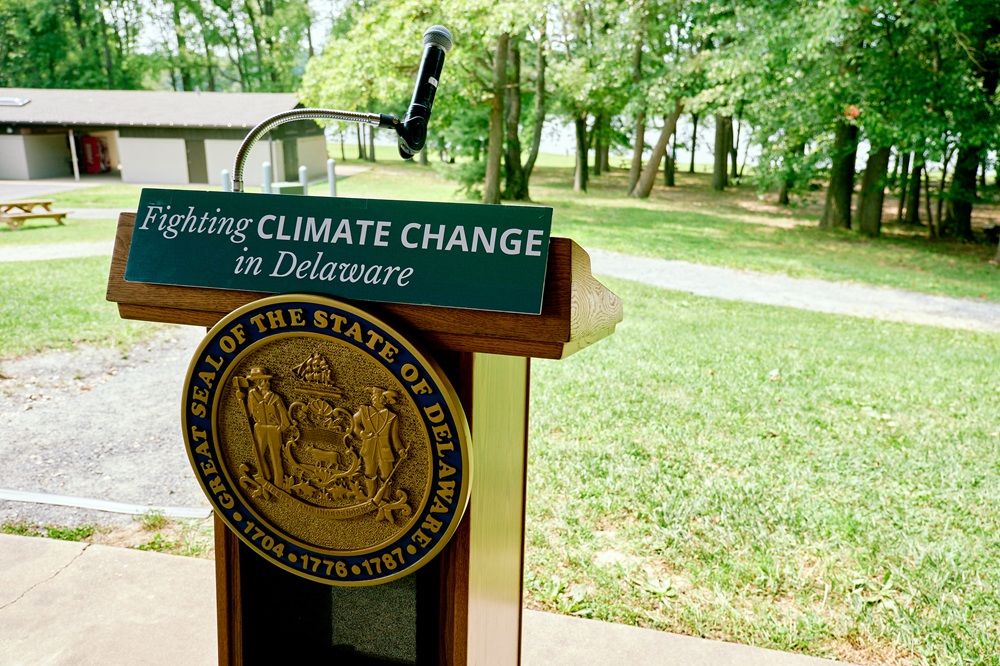
Climate change is reshaping Delaware, with its impacts felt across coastlines, communities, and natural lands. The state’s response involves a comprehensive approach to address these growing concerns. Evidence of environmental shifts due to human activities is increasingly visible, prompting action from policymakers and residents alike.
Visible Changes and Rising Concerns
Delaware’s coastal areas, like those measured at the Lewes tide gauge, have experienced a 15-inch rise in sea levels since 1919. Projections suggest an additional foot of rise could occur within the next 25 years. As storms increase in severity and frequency, flooding events once rare are now common, while the state’s average temperature, already 3 degrees Fahrenheit warmer since 1895, is expected to climb further by 2050.
Residents are increasingly alarmed about climate change. A 2025 survey by the Delaware Department of Natural Resources and Environmental Control found that 75% of Delawareans see climate change as a significant threat, and two-thirds believe more can be done to combat it.
The Delaware Climate Action Plan
Carbon dioxide levels, which have surged by 50% over the past 225 years, are at their highest in 3 million years, exacerbating global warming. Delaware’s Climate Action Plan, updated in 2025, outlines strategies for mitigating these effects, focusing on reducing greenhouse gas emissions and adapting to environmental changes.
According to the Delaware Climate Action Plan, human activities, particularly fossil fuel combustion, are the primary drivers of these climatic changes. The plan proposes numerous actions, including community and individual efforts, to address these challenges.
Action and Implementation
Delaware is poised to lead in climate action through innovative leadership and policy implementation. DNREC’s programs support this effort by offering incentives for electric vehicles and promoting renewable energy. The Delaware Clean Vehicle Rebate Program is one such initiative, designed to reduce transportation emissions, which account for nearly 30% of the state’s total emissions.
Investments in climate resilience offer economic benefits, with a U.S. Chamber of Commerce study suggesting that every $1 spent on disaster preparedness saves $13 in the long term. Furthermore, clean energy jobs, already comprising 2.5% of the state’s workforce, are projected to grow substantially.
Challenges and Opportunities
The potential consequences of inaction are severe. Rising sea levels threaten Delaware’s infrastructure and tourism industry, while increasing temperatures and poor air quality could disrupt outdoor activities. Climate change also heightens the risk of health issues, particularly among vulnerable populations.
Projections indicate that sea levels could rise by up to 5 feet by 2100, inundating significant portions of Delaware’s land. These changes necessitate a shift toward sustainable practices and infrastructure.
Communities in Delaware are already taking steps toward resilience. Wilmington, Newark, and Dewey Beach are among those developing climate resilience plans. Dewey Beach Commissioner Gary Persinger emphasizes the importance of strategic planning for long-term sustainability.
Delawareans are calling for decisive action. Asvika Gobinathan, a recent graduate and environmental advocate, states, “We want governments and nonprofits to lead with bold solutions in order to combat this crisis, and we want individuals to push for change.”
By investing in climate change adaptation and mitigation, Delaware stands to gain significantly in terms of public health, economic growth, and community well-being.
Original Story at dnrec.delaware.gov