New York’s Power Struggle: Increasing Demand and Aging Infrastructure
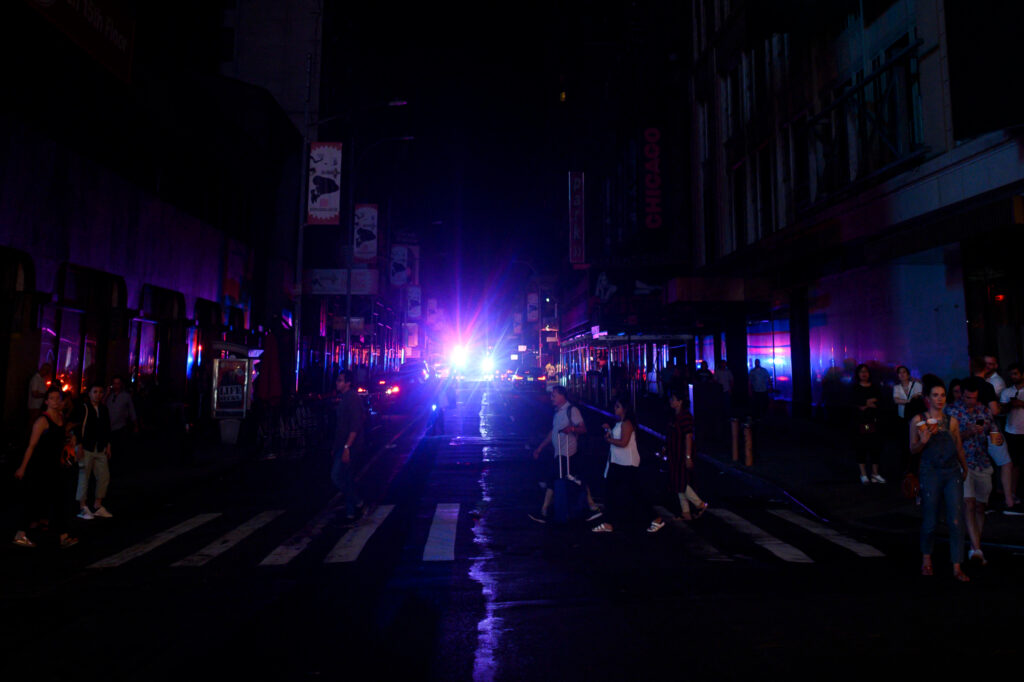
As sweltering temperatures hit Southeast Queens, over 10,000 residents found themselves without power, prompting Mayor Zohran Mamdani to urge the community to conserve electricity by setting air conditioners to 78 degrees. This incident underscores a broader challenge facing New York’s electricity grid. The New York Independent System Operator (NYISO) has been increasingly sounding the alarm, having issued 22 demand response activations in 2025 alone, compared to no more than eight times annually in the previous decade.
Reports from the North American Electric Reliability Corporation highlight a heightened risk of energy shortfalls in New York, especially in extreme weather. The state’s evolving energy needs, driven by building electrification and new industrial demands such as Micron’s chip manufacturing facility, are straining the grid further. Additionally, aging natural gas plants in Southern New York face delayed retirements due to rising demand, despite state laws mandating their closure when feasible.
Kate Boicourt from the Environmental Defense Fund emphasizes the critical role of “peaker” plants, stating, “If we don’t use them, that can result in grid failure.” Meanwhile, efforts are underway to boost clean energy, with projects like the Champlain Hudson Power Express bringing hydropower from Canada, although it has faced initial outages. As Boicourt argues, expanding renewable energy and battery storage could reduce dependency on natural gas, which is subject to volatile pricing.
The city is also looking to smaller energy projects to alleviate grid pressure. Initiatives like the SUNNY Act, awaiting Governor Kathy Hochul’s decision, aim to ease regulations for installing plug-in solar panels on balconies. However, cumbersome bureaucratic processes hinder the deployment of small-scale solutions, says Hannah Birnbaum of Permit Power, likening them to “an appliance” in simplicity yet subjected to extensive approval procedures.
Large-scale clean energy projects also face hurdles, compounded by pandemic-related delays and supply chain issues. Gavin Donohue of the Independent Power Producers of New York highlights that over 100 projects have completed interconnection processes since 2019, but only 14 have begun construction, citing high costs and prolonged NYISO evaluations.
In the realm of offshore wind, legal and administrative challenges have further stalled progress. State Attorney General Letitia James is contesting the legality of certain offshore wind lease sales, while ongoing projects like Sunrise Wind and Empire Wind continue despite previous setbacks under the Trump administration.
As New York navigates these complex issues, the Public Service Commission has solicited feedback on utilities potentially owning renewable projects, sparking concerns about competitiveness and rate increases. Donohue warns that such moves could deter private investment and delay progress.
Ultimately, as Boicourt stresses, the focus should be on planning for a sustainable energy future to avoid potential summer grid failures, which could escalate into public health emergencies.
Original Story at insideclimatenews.org