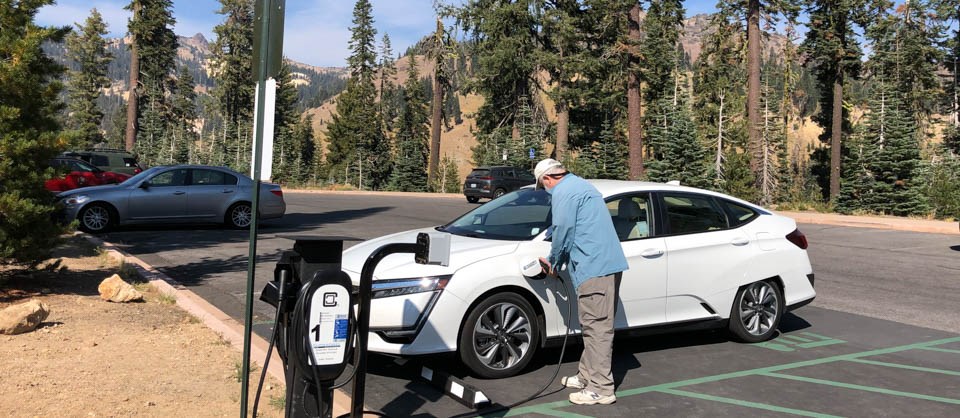
Oregon Reopens Electric Vehicle Rebate Program with New Incentives
Oregon residents looking to invest in an electric vehicle (EV) have a fresh opportunity to benefit from substantial financial incentives. The Oregon Department of Environmental Quality (DEQ) has revived its Clean Vehicle Rebate Program, offering rebates ranging from $1,500 to $7,500 for eligible EV or plug-in hybrid purchases or leases made before November 4.
The initiative, operational for eight years, is designed to promote the adoption of low- and zero-emission vehicles as part of Oregon’s broader strategy to reduce fossil fuel pollution, a major contributor to climate change. The DEQ, alongside the U.S. Environmental Protection Agency, identifies transportation as the leading source of greenhouse gas emissions in Oregon and nationwide.
Eligible applicants, including residents, businesses, nonprofits, and government entities, must act swiftly, as the rebate is only available for vehicles purchased or leased from August 25 to November 4. Given the program’s limited funding of about $8.5 million, early application is advised. These funds are sourced from Oregon’s vehicle privilege tax, set at 0.5% on sales of taxable vehicles.
To ensure equitable distribution, approximately one-third of the funding is earmarked for low- and moderate-income applicants. Those who apply after funds are exhausted will be placed on a waiting list for potential payment in early spring 2027. This year, rebates are smaller, extending the application window and reaching a broader audience under new regulatory adjustments.
The Standard Rebate provides up to $2,000 for new fully electric vehicles and $1,500 for new plug-in hybrids, with zero-emission motorcycles eligible for a $375 rebate. Previously, these rebates were set at $2,500.
For those with lower incomes, the Charge Ahead Rebate offers enhanced benefits, including up to $4,000 for used electric vehicles and $7,500 for new ones. Used plug-in hybrids can receive up to $2,500, and new plug-in hybrids up to $5,000. Rebates for used vehicles are capped at 30% of the vehicle’s price.
Eligibility for the Charge Ahead Rebate depends on household income, with thresholds set for single ($63,800), two-person ($86,500), and four-person households ($132,000). Applicants can prequalify online and use vouchers at participating dealerships.
Oregon’s legislative goals, set in 2019, aim for zero-emission vehicles to constitute 25% of registered vehicles by 2030, and 50% of new vehicle sales. By 2035, zero-emission vehicles should account for 90% of new car sales annually. Currently, about 7% of vehicles registered in Oregon are zero-emission, per the Oregon Department of Transportation data.
Since 2018, the program has awarded over 42,500 rebates, totaling nearly $140 million, as detailed in DEQ data. Among recipients, 89% received rebates for new vehicles, and 11% for used purchases. More than half of rebate beneficiaries reported household incomes of $100,000 or more, and over 50% indicated they would not have purchased an EV without the rebate.
For more information on additional rebates for zero and low-emission vehicles from other state agencies and public utilities, visit the Go Electric Oregon website.
Original Story at oregoncapitalchronicle.com