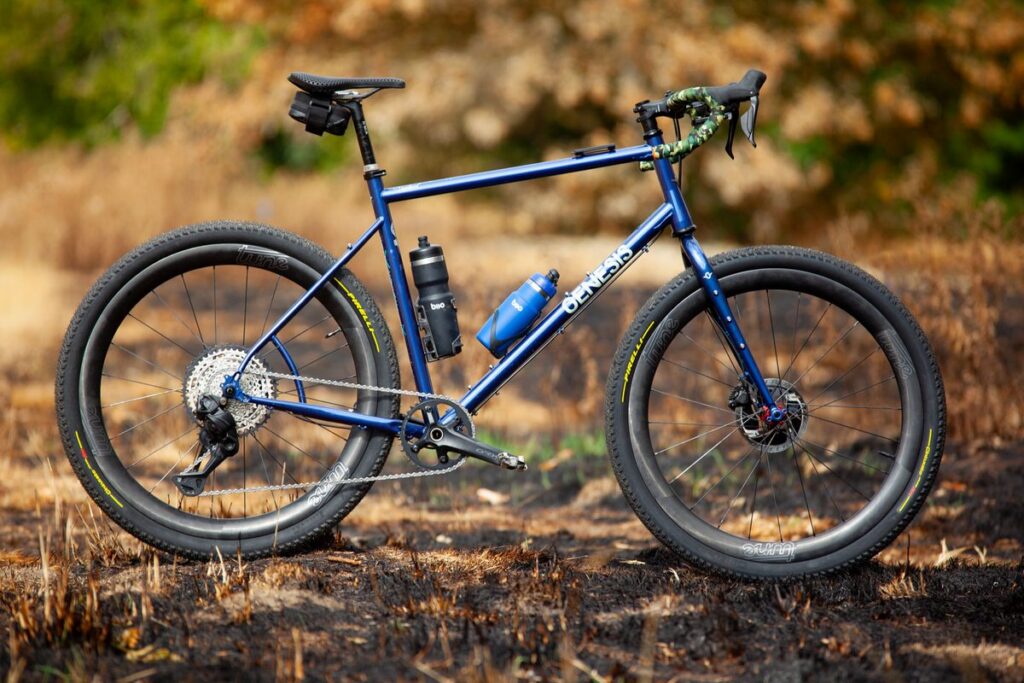
With temperatures soaring and rainfall scarce, the summer of 2026 is on track to become the UK’s hottest since records began, according to the Met Office. From June 1 to August 10, the mean temperature was reported to be 1.88°C above the 1991-2020 average. Locations such as the New Forest, South Wales, and the Southwest have witnessed significant wildfires, impacting areas cherished by cyclists.
Bottling it…
As temperatures rise, the debate over cycling’s environmental impact intensifies. Many cyclists, like the author, are reconsidering their use of plastic water bottles. Though convenient, these bottles often end up in recycling once their usability wanes. To combat this, some have turned to alternatives like the Camelbak Podium steel and Bivo Trio bottles. However, these require immediate washing and reassembly post-ride, posing a challenge for those accustomed to the ease of disposable plastic.
Tyre trouble
The conundrum extends to the choice between traditional inner tubes and tubeless tyre setups. While tubeless systems with sealant might seem a practical solution, they come with their own environmental concerns, such as the mess and waste generated by spilt latex. Inner tubes, on the other hand, often pile up, waiting for repairs that rarely happen. The environmental impact of tyre materials and sacrificial brake pads further complicates the issue.
Wear it out
Most cycling apparel is made from polyester, a fossil fuel derivative. However, options like Santini’s carbon capture range or other brands using recycled materials offer more sustainable choices. Cyclists are encouraged to maintain their gear properly and consider timeless designs that don’t quickly go out of style. Similarly, helmets can be more eco-friendly when made from recycled materials, like the Urge Treps.
Ride more, ride everywhere
While cycling as a hobby presents environmental challenges, using a bicycle for commuting or short trips can significantly reduce one’s carbon footprint. Cyclists who shift from cars to bikes for work, shopping, or leisure contribute to reduced traffic, cleaner air, and personal health benefits. By using panniers, trailers, or backpacks, they can manage daily errands sustainably, minimizing food and resource waste.
In the face of climate change, individual actions can be significant. Even if others are slow to adapt, personal choices, like reducing plastic use and opting for sustainable cycling gear, can make a difference. As climate challenges mount, these small steps collectively help mitigate the impact of environmental crises.
Original Story at www.bikeradar.com