In bustling metropolises across China, futuristic advancements are palpable. From robotic chefs in restaurants to drones delivering essentials and innovative electric vehicles, the technological revolution is undeniable. However, while the rest of the world becomes familiar with these advancements, the U.S. remains largely disconnected, primarily due to hefty tariffs and security concerns.
Chinese electric vehicles, which offer a blend of affordability and luxury, are conspicuously missing from American roads. This absence is a consequence of high tariffs and national security restrictions that prevent many Chinese technologies, including drones and robotics, from entering the U.S. market. The limited presence of Chinese consumer electronics does little to bridge this technological gap.
The roots of this divide trace back to the Obama administration, which recognized China’s unfair trade practices. U.S. administrations have since employed various trade remedies and leveraged the World Trade Organization to counteract these practices. Moreover, security reviews have intensified, especially since 2017, placing Chinese firms under heightened scrutiny to prevent sensitive technologies from reaching China.
Amidst these challenges, some U.S. policymakers advocate for further disengagement from Chinese business. Concerns about China’s ties with its military and its influence over U.S. resources, like farmland, fuel this sentiment. However, while valid, these defensive measures might not always align with American economic interests.
Chinese firms have evolved from mere manufacturers to global leaders. Their exclusion from the U.S. market may inadvertently hinder American competitiveness and stifle innovation. Recognizing China’s industrial growth and selectively engaging with it could bolster U.S. technological prowess.
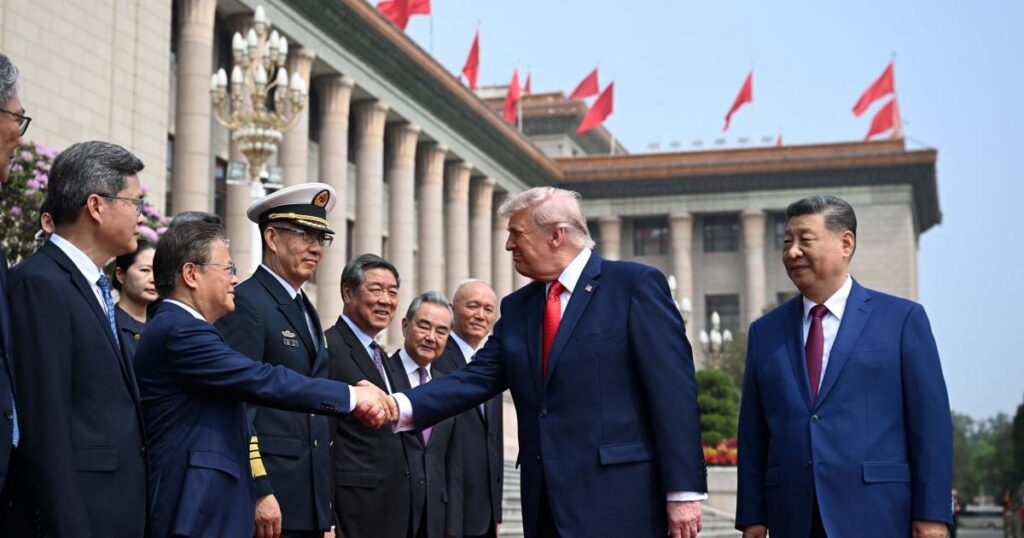
President Donald Trump’s proposal for a joint “Board of Investment” with China indicated a potential shift towards this engagement. However, concrete steps remain absent. A strategy of selective openness, allowing Chinese investments in areas with substantial benefits while ensuring stringent security measures, could be the key. This approach mirrors China’s tactics with Western firms, where foreign investments were conditioned to uplift local industries.
TROJAN HORSES?
China has long required foreign companies to align with its national goals. By enforcing local partnerships, technology sharing, and supply chain integration, China ensured foreign investments bolstered its ecosystem. This strategy sowed the seeds for homegrown giants like Midea and Haier, which now compete internationally, including in the U.S.
Chinese firms, especially in sectors like electric vehicles and robotics, eye the vast U.S. market. Facing narrow margins and fierce domestic competition, these companies seek opportunities overseas. Yet, concerns about potential threats, such as Chinese vehicles mapping U.S. infrastructure, have kept them at bay.
A SMARTER GATEKEEPING
The U.S. can draw inspiration from China’s investment strategies. While Trump’s “Board of Investment” remains vague, Washington already possesses the tools to manage Chinese investments effectively. Agencies like the Committee on Foreign Investment in the United States (CFIUS) and the Commerce Department can craft targeted rules to balance security with economic benefits.
While CFIUS focuses on national security, a broader approach could incorporate economic enhancements like workforce training and technology transfers. This requires coordinated efforts among various regulatory bodies to ensure both security and economic gains.
THE TESLA MODEL
China’s experience with Tesla offers valuable insights. By allowing Tesla to operate independently in China, Beijing encouraged competition and innovation. Tesla, in turn, contributed to China’s EV boom, inspiring local companies like BYD. The U.S. could adopt similar strategies, leveraging foreign expertise to enhance domestic industries while ensuring data and security protocols are met.
For instance, Tesla’s operations in China were conditioned on data localization and collaboration with local tech firms for navigation services. Such arrangements not only safeguarded Chinese interests but also propelled the local EV market.
As the U.S. contemplates its future economic strategy, collaboration with China, albeit selective, could offer significant advantages. The challenge lies in crafting policies that harness global innovations while safeguarding national interests.
Original Story at www.foreignaffairs.com