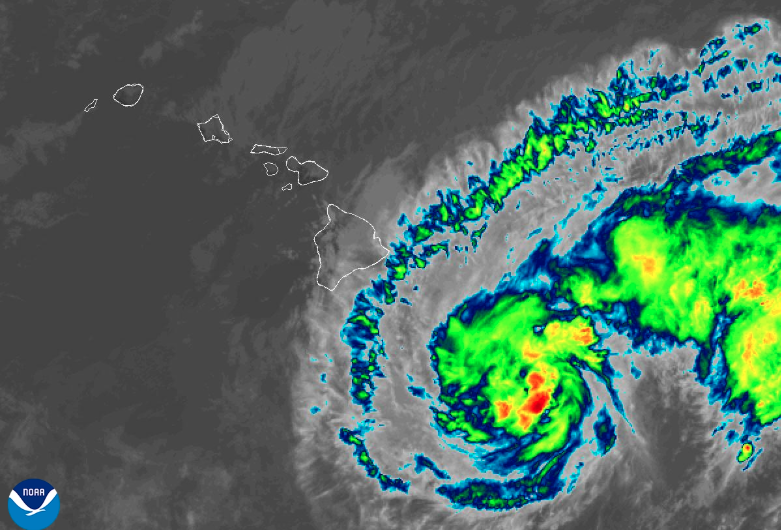
Hurricane Lala Poised to Make Historic Landfall on Hawai‘i’s Big Island
As Hurricane Lala approaches Hawai‘i’s Big Island, experts are analyzing the storm’s potential impact, which marks the first hurricane landfall in the area since 1992. This significant event has drawn attention to the evolving climate patterns affecting the region.
Traditionally, Hawai‘i’s mountainous terrain, with peaks reaching up to 13,000 feet, has acted as a natural barrier against tropical storms. Retired University of Hawai‘i professor Tom Giambelluca once explained that the island’s geography made it “like a rock in the stream,” redirecting storm paths. However, the dynamics are shifting as climate change introduces new variables.
This year’s intensifying El Niño is a key factor behind Hurricane Lala’s development. Scientists, including Alison Nugent from the University of Hawai‘i, suggest that the current El Niño cycle serves as a “practice run for climate change,” indicating a trend toward more frequent and intense storms as global temperatures rise.
Historically, cooler ocean temperatures and wind shear have helped dissipate storms before they could reach hurricane strength near the islands. Yet, with ocean temperatures now ranging from 80.6 to 82.4 degrees Fahrenheit, the conditions are ripe for hurricanes to gain power.
The potential for more hurricanes in the Pacific is supported by past climate models. Over the past decade, three out of five storms that have made landfall in Hawai‘i occurred, reflecting a predicted increase in hurricane activity.
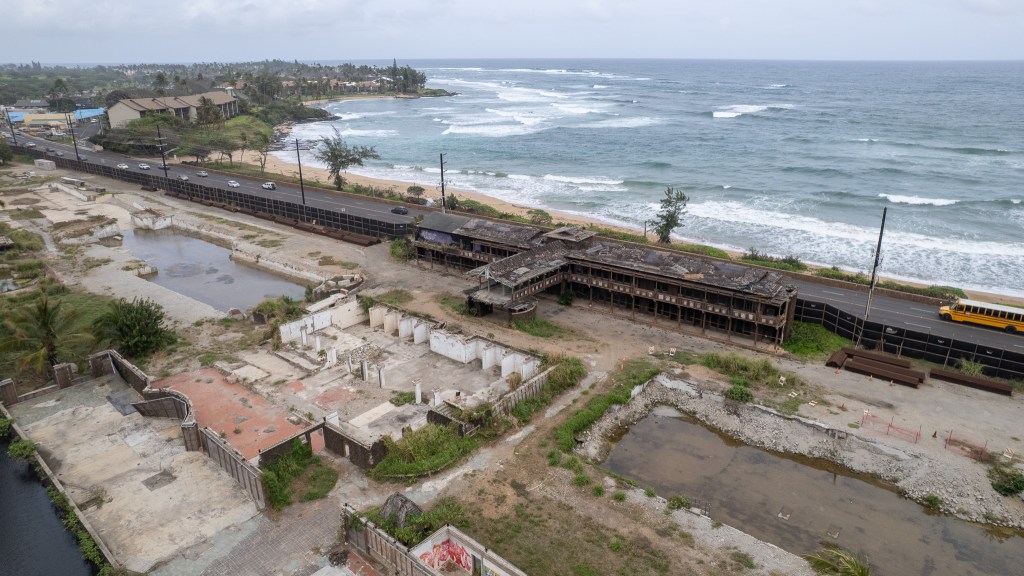
Meanwhile, the debate continues on how exactly climate change is influencing the El Niño phenomenon and its effect on storm patterns. According to Steven Businger of the University of Hawai‘i, the relationship between these factors is not fully understood, though it’s clear that warmer ocean surfaces are contributing to the potential for stronger hurricanes.

Historical records, dating back to storm events in 1871, provide context for the current situation. Reports from Hawaiian-language newspapers detail the devastation caused by past storms, underscoring the potential for significant impacts from Hurricane Lala.
As the island braces for possible impact, scientists anticipate conducting attribution studies to assess the influence of human-caused climate change on the storm’s intensity. According to Businger, the current warm ocean temperatures could persist, potentially setting the stage for further storms in the near future.
Original Story at www.civilbeat.org