Reviving the Past: The Electric Car That Defies Time
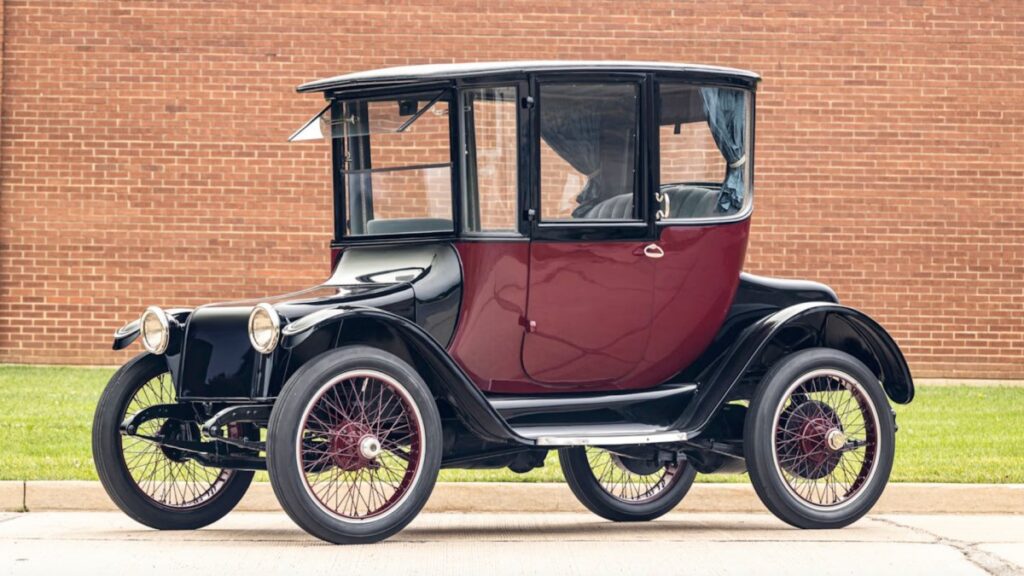
Electric vehicles (EVs) may seem like a modern innovation, but their roots trace back over a century. In a world predominantly designed for internal combustion engines, these pioneering electric cars have faced unique challenges, such as outdated battery technology. However, one remarkable example is the 1918 Detroit Electric Model 75B Brougham coupe, which showcases how historic EVs can be revitalized for the modern era.
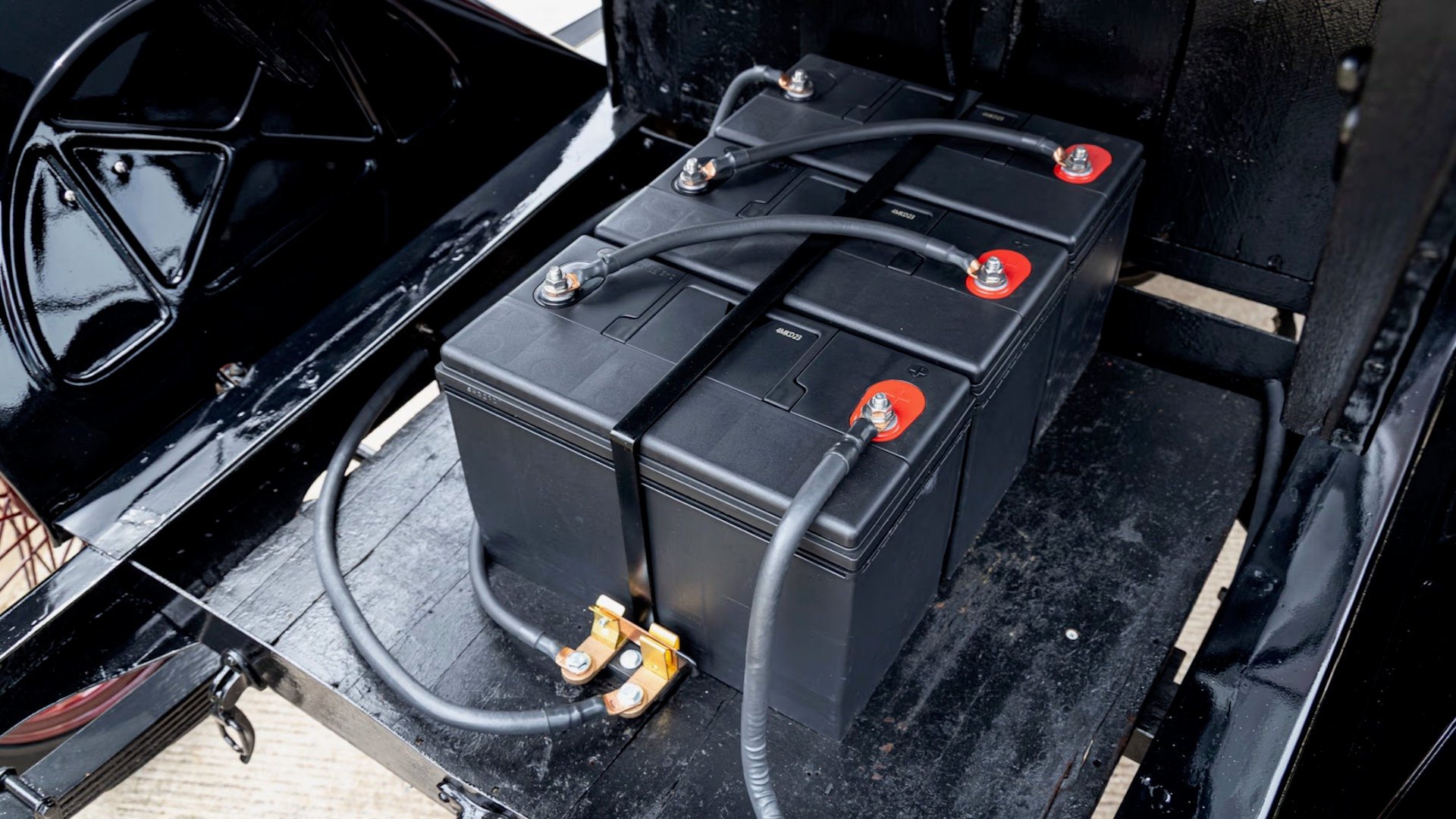
This vintage Detroit Electric is set to be auctioned at Mecum’s 2026 Monterey Car Week. To breathe new life into this classic, the owner has replaced its century-old batteries with modern ones, as part of a restoration to “concours standards.” While traditionalists might question its authenticity on the concours circuit, the fact remains—it still runs.
The specific type of modern batteries used in this restoration is not detailed. However, it’s likely that batteries from scrapped EVs or hybrids were utilized. Companies specializing in EV conversions often source components from these vehicles. Jay Leno, for instance, is known to have a 1914 Detroit Electric being upgraded with Nissan Leaf battery modules. What remains unclear is how these modern batteries affect the vehicle’s range and performance. Originally, the Model 75B boasted a range of about 80 miles and a top speed of around 20 mph.
Founded in 1884 as the Anderson Carriage Company, the firm that eventually became Detroit Electric launched its first electric car in 1907. In an era when gasoline cars were noisy and difficult to operate, electric vehicles offered a quieter and more straightforward alternative. Interestingly, range anxiety was as much a concern for early gasoline cars as it is for today’s electric cars, due to the sparse network of gas stations at the time.
During this period, EVs were particularly marketed to women, offering ease of use without the need for physical exertion, such as cranking a starter. Historical figures like Henry Ford and Henry Joy of Packard purchased Detroit Electrics for their wives. The design of these vehicles, with interiors resembling living rooms, reflected the social norms of the time, with features like built-in flower vases enhancing their appeal.
Detroit Electric was once a prominent name alongside other EV brands like Milburn and Baker. However, the rise of larger automakers like Ford and General Motors, which focused on gasoline engines, led to the decline of electric cars. The original Detroit Electric continued until 1939, with a brief revival attempt in 2013 that aimed to follow the path of Tesla, but it never gained traction.
Original Story at www.thedrive.com