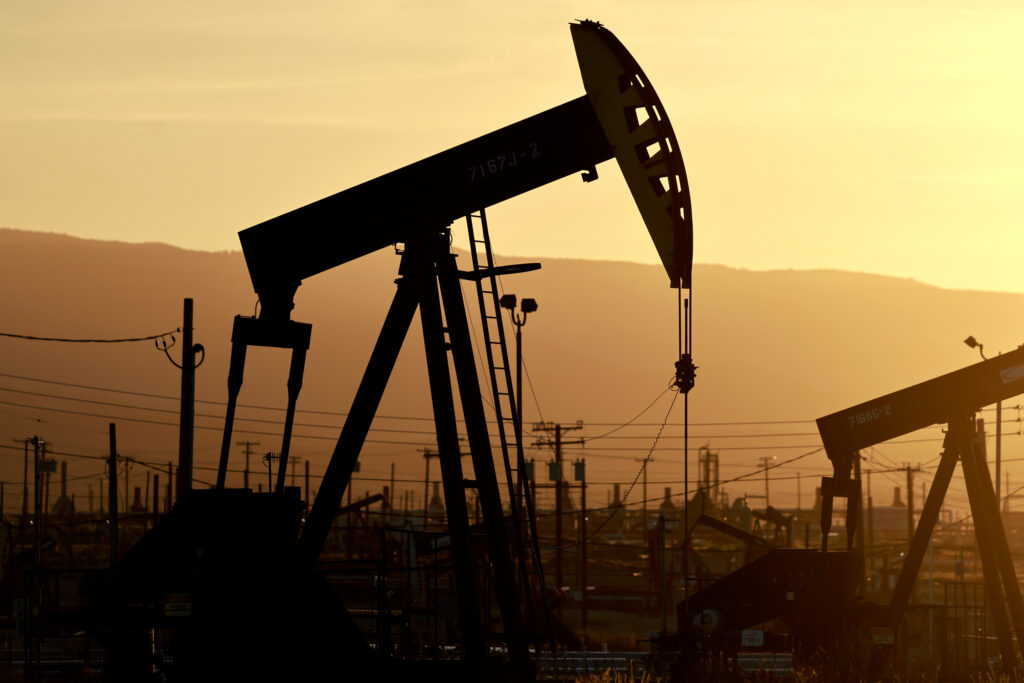
California Resources Corporation, the largest oil company in the state, achieved a significant milestone in May by injecting carbon dioxide deep underneath its oil field. This marks the first operational project of its kind in California. Recently, the state finalized regulations to support similar ventures.
The carbon sequestered by California Resources Corporation (CRC) originates from its natural gas-processing plant, which removes CO2 from gas at the Elk Hills oil field. The plant plans to send up to 100,000 tons of CO2 annually to Carbon TerraVault I, a storage intended to lock up carbon dioxide for centuries.
Despite facing challenges, including lengthy permitting processes and a lawsuit from environmental groups concerning the adequacy of environmental reviews, TerraVault is operational. This project serves as a test case for California, with nearly a dozen more in development, and could influence other U.S. regions and countries. Kern County, a historic fossil fuel hub, hopes its carbon removal initiatives will boost the economy and create jobs.
“It’s a promising sign for others in the field,” said Steve Whittaker of Vault 44.01, a carbon capture and sequestration developer. California recently finalized regulations allowing carbon pipelines, previously banned in the state. This development enhances project feasibility across California.
Carbon removal is pivotal for climate change strategies, as noted in the UN’s IPCC scenarios limiting warming under 2°C by 2100. However, the industry faces technological and financial hurdles, coupled with environmental skepticism regarding its cost-effectiveness compared to renewable energy. Globally, only 380 million tons of carbon have been stored since the 1990s, yet global emissions reached 38 billion tons in 2024.
In Kern County, opinions remain divided about CRC’s project expansion. Michelle Ghafar, an Earthjustice attorney, seeks a halt until environmental review issues are resolved. “We aim to prevent poorly assessed projects from advancing,” she stated.
The lawsuit contends Kern County’s review did not adequately assess potential environmental impacts from future industrial projects utilizing TerraVault. CarbonTerraVault I currently handles 1.5 million metric tons of CO2 annually, with potential for 38 million tons overall. CRC proposes additional sites across the state to increase storage capacity.
Concerns include the century-old oil field’s integrity, given its thousands of wells. CRC did not comment on the litigation.
The U.S. Environmental Protection Agency is evaluating 11 more projects with nearly 50 wells in California, anticipating approvals in 2026 and 2027. Seven of these projects involve CRC or its subsidiaries.
California’s new pipeline regulations, developed by the Office of the State Fire Marshal alongside various stakeholders, aim to ensure safety and public engagement during pipeline projects. Amanda McKay of the Pipeline Safety Trust regards the rules as a significant improvement, though she advocates for stricter measures, such as requiring odorants to detect CO2 leaks.
The Central California Environmental Justice Network, opposing the TerraVault project, also calls for stricter safety measures, including CO2 monitors for nearby communities. Concerns over CRC’s history of well maintenance add to community skepticism.
CRC believes in responsible oil and gas production while transitioning toward decarbonization. “We aim to provide a market solution,” said CEO Francisco Leon, referencing California’s emissions goals.
Currently, over 5,000 miles of carbon pipelines operate in the Midwest and Southeast, primarily for enhanced oil recovery—a practice prohibited in California. The state’s initiatives could serve as a model for pipeline regulation amid federal inaction, suggests Noah Deich, former Deputy Assistant Secretary for Carbon Management at the Department of Energy.
Despite federal policy uncertainty, California’s carbon capture projects evolve within a unique landscape. While the state plans to phase out oil drilling by 2045, CRC remains committed to its role in the state’s decarbonization efforts.
Original Story at insideclimatenews.org