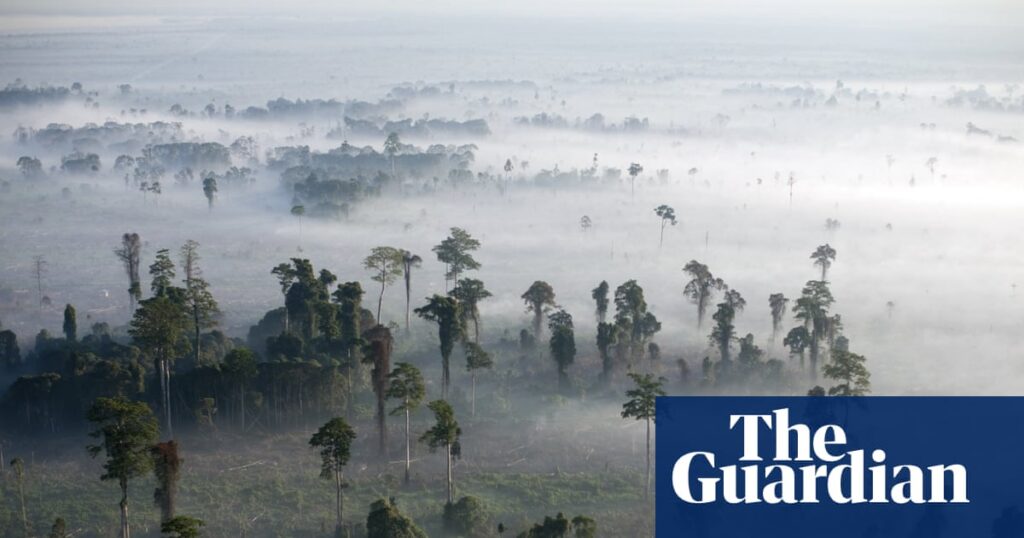
In a move that has sparked concern among conservationists, the UK’s longstanding Darwin Initiative is facing significant cutbacks. This decision will render at least 89 countries ineligible for financial support dedicated to biodiversity projects, potentially putting numerous species and habitats at risk and hindering global conservation efforts.
Regions that will no longer qualify for funding include large parts of Africa, central Asia, and sections of Latin America. Notable countries such as Argentina, Iran, Sudan, Chad, Mali, and Angola will be affected, along with Armenia, the upcoming host for the UN Convention on Biodiversity conference.
“At a time when governments have committed to CBD agreements to scale international biodiversity finance to $30 billion a year by 2030, continued cuts and restrictions risk undermining trust that those promises will actually be delivered,” commented Andrew Terry, the Director of Conservation and Policy at the Zoological Society of London (ZSL).
Catherine Weller from Fauna & Flora expressed surprise at the extent of the changes this year, noting that many valuable projects would no longer be eligible for consideration. “People living close to nature are its greatest champions, and Darwin is the type of funding they need,” she added.
The Darwin Initiative, launched by former Prime Minister John Major in 1992 during the Rio Earth Summit, has historically supported numerous conservation projects worldwide. These have included efforts like reducing peatland fires in Indonesia and establishing Bhutan’s national botanical garden.
Some of the excluded countries, which are now classified as rapidly emerging or middle-income economies, include China, India, Mexico, and Turkey. The UK plans to stop providing international aid to G20 countries, as stated by International Development Minister Jenny Chapman. However, exceptions remain, with Brazil and Indonesia still eligible for Darwin funding.
While the overall reduction in Darwin Initiative funding remains unspecified, existing funds are expected to remain intact. This decision comes shortly after an international aid conference hosted by the UK, where climate and nature spending were key topics.
Adrian Gahan from the Campaign for Nature criticized the UK for not fulfilling its commitments and potentially compromising its national interests. He emphasized the importance of preserving global ecosystems, which are crucial for all nations. “Expect far worse than 35C in Britain in May if we lose the Brazilian rainforest,” he warned.
In defense of these changes, a spokesperson from the Department for Environment, Food & Rural Affairs (Defra) highlighted the focus on areas where biodiversity loss is most critical. They stated, “The trade-off is clear: spread our efforts thinly or concentrate funding where it can achieve the greatest impact. The Darwin Initiative has been delivering for conservation and development across the globe for over 30 years and we remain committed to maximizing its impact and achieving the greatest biodiversity benefit for all.”
Original Story at www.theguardian.com