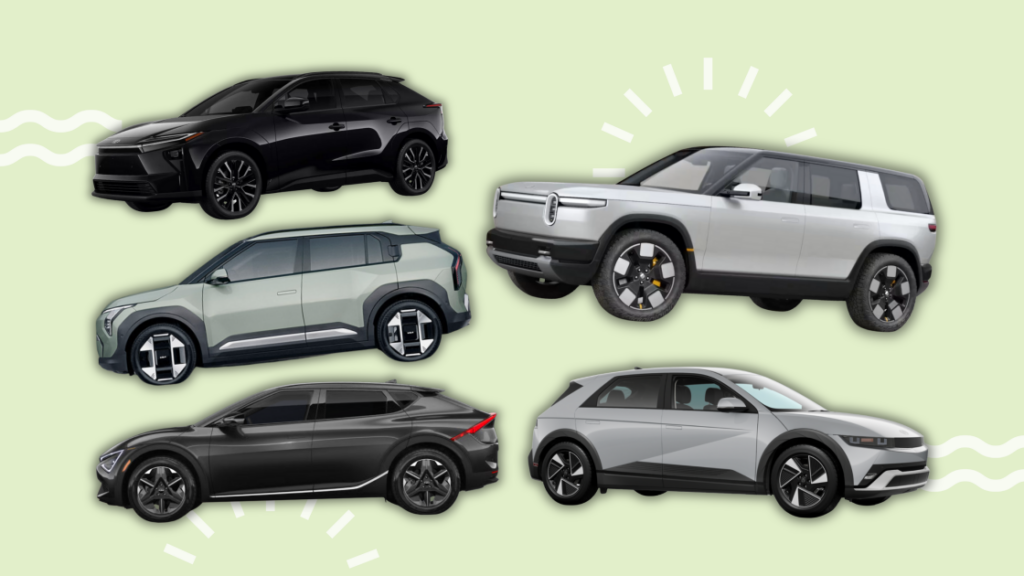
In the ever-evolving world of electric vehicles, Tesla has long been a pioneer, capturing the imaginations of tech enthusiasts worldwide. However, as the landscape shifts and new players enter the arena, Tesla’s dominance is being challenged. For those who once swore by the brand, like myself, the search for alternatives has begun.
Since acquiring a Tesla Model 3 in 2018, the electric vehicle market has seen significant changes. Tesla’s earlier models, including the Model S and Y, once stood as the epitome of innovation. Today, the company has shifted its focus towards autonomy, planning to halt production of these models. For some, including myself, the allure of Tesla has waned, yet the appeal of electric vehicles remains strong.
Charging and Pricing Considerations
A primary factor when selecting an electric vehicle is the charging standard. The North American Charging Standard (NACS), used by Tesla and increasingly adopted by other automakers, provides a seamless charging experience. Vehicles equipped with NACS ports, unlike those relying on the older Combined Charging System (CCS), can access Tesla’s extensive Supercharger network, making on-the-go charging convenient.
In addition to charging capabilities, budget considerations are crucial. For practicality, options under $50,000 are preferable. Modern connectivity is also a priority, allowing vehicle control through mobile devices. Here are some current and upcoming electric vehicle options that fit these criteria.
Current EV Options
Hyundai Ioniq 5 (2026)
Launching with a striking retro-futuristic design, the Hyundai Ioniq 5 boasts a built-in NACS port and a host of high-tech features. The Ioniq 5 starts at $35,000 for the SE Standard Trim with an estimated range of 245 miles. The SE version, at $37,500, offers a range of 318 miles. Its connectivity suite includes the Bluelink+ app, digital keys, and wireless support for Apple CarPlay and Android Auto.
Kia EV6 (2025)
The Kia EV6 offers a sleek sedan design with a range of over 300 miles, starting at $46,000. The EV6 supports over-the-air software updates, wireless CarPlay and Android Auto, and includes a Wi-Fi hotspot option. Its app allows for remote control of various functions, enhancing the driving experience.
Toyota bZ XLE (2026)
Toyota’s bZ XLE marks its entry into the full-electric vehicle market, offering a range of over 300 miles at a starting price of under $40,000. The vehicle includes basic remote connectivity features with a free three-year trial, wireless CarPlay and Android Auto, and remote software updates.
Upcoming 2026 Models
Rivian R2 (Mid-2026)
The Rivian R2, a more compact version of the R1S, promises over 300 miles of range starting at $45,000. While its lowest-price variant won’t be available until 2027, the R2 offers appealing technology features, though it lacks CarPlay and Android Auto support.
BMW iX3 (Summer 2026)
The BMW iX3 slightly exceeds the $50,000 budget, starting around $60,000, but offers up to 400 miles of range. For those willing to spend more, BMW’s reputation for quality and performance makes it a contender, with future models potentially lowering the entry price.
Kia EV3 (Mid-2026)
Set to impact the US market, the Kia EV3 is expected to start under $40,000, with a range exceeding 300 miles. Its design draws from the EV6 and EV9, but with a more compact form. Despite potentially slower charging times, the EV3 presents a compelling value proposition.
As the EV landscape continues to evolve, options beyond Tesla are becoming increasingly viable. With tech innovations and competitive pricing, brands like Hyundai and Kia offer promising alternatives for those seeking a change.
Original Story at www.pcmag.com