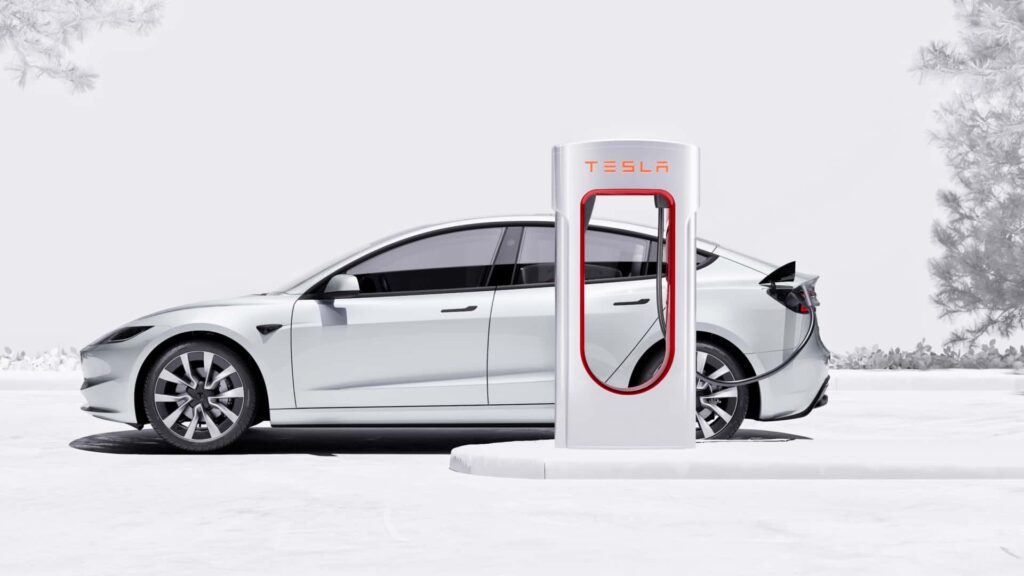
Shifting Trends in the Used EV Market: Tesla Prices Rise While Others Decline
The used electric vehicle market is undergoing notable changes following the termination of the federal clean vehicle credit. While some used EV prices are decreasing, Teslas are showing an upward trend, indicating strong consumer demand independent of tax incentives.
In the months since the federal tax credit for electric vehicles ended, the automotive landscape has begun to reflect a shift towards more intrinsic consumer interest. A clear illustration of this is seen in the used EV sector, where the discontinuation of incentives has led to declining prices for several EV models.
However, Tesla vehicles defy this trend, maintaining robust demand without the financial boost of up to $4,000 previously offered by the tax credit. This suggests that American consumers are eager to embrace electric vehicles at competitive prices.
A recent study from car research firm iSeeCars reveals that the average price for used Teslas increased by 4.3%, reaching $31,329, after the tax credits ended. In contrast, the average price for other used EVs fell by 3.6%, landing at $23,738. This study analyzed over 1.7 million used cars aged one to five years, alongside millions of new car sales between September 2025 and January 2026.
“When looking at new and used EV price shifts, it seems clear manufacturers and dealers are trying to offset the loss of the EV credits with lower prices on mainstream models,” said iSeeCars Executive Analyst Karl Brauer. “But Tesla pricing has proven resilient, rising while nearly every other electric vehicle price has fallen since the EV credits went away.”
Among the used EVs experiencing the most significant price drops are the Hyundai Kona Electric (-6.4%), Volkswagen ID.4 (-6.2%), Kia Niro EV (-5.2%), Ford Mustang Mach-E (-5.1%), and Nissan Leaf (-4.6%).
The disparity between Tesla and other brands may arise from Tesla’s reputation for superior in-vehicle software and easy access to over 36,000 Supercharger ports, offering a more seamless ownership experience. While newer EV models are improving, it will take time before they become prominent in the used market.
Given Tesla’s dominance in the used EV market, the average price of one- to five-year-old used EVs has risen by 3.5%, reaching $30,666 since September. Conversely, the average price of used gasoline cars has dropped by 2.0% to $31,249, suggesting that the used EV market’s strength is primarily bolstered by Tesla.
Further evidence of the used EV market’s resilience is seen in the days supply for used EVs, which remains below that of used gasoline vehicles, according to Cox Automotive. In contrast, new EVs are moving off dealer lots more slowly than their gasoline counterparts.

Despite these dynamics, the electric share of the lightly used car market decreased from 3.5% to 2.8% between September and January, as reported by iSeeCars. This decline reflects the absence of the $4,000 used EV tax credit, mirroring trends seen in the new EV market. The third quarter saw a surge in EV market share as consumers rushed to capitalize on the tax credits, followed by a significant drop.
A potential game-changer lies ahead, as tax credit-driven EV leasing is expected to result in an influx of lightly used electric models entering the market in the coming years. While the new EV market experiences a lull, the used segment could offer attractive opportunities for savvy buyers.
Original Story at insideevs.com