The Complex Web of War: Economic Ramifications of the U.S.-Israeli Conflict with Iran
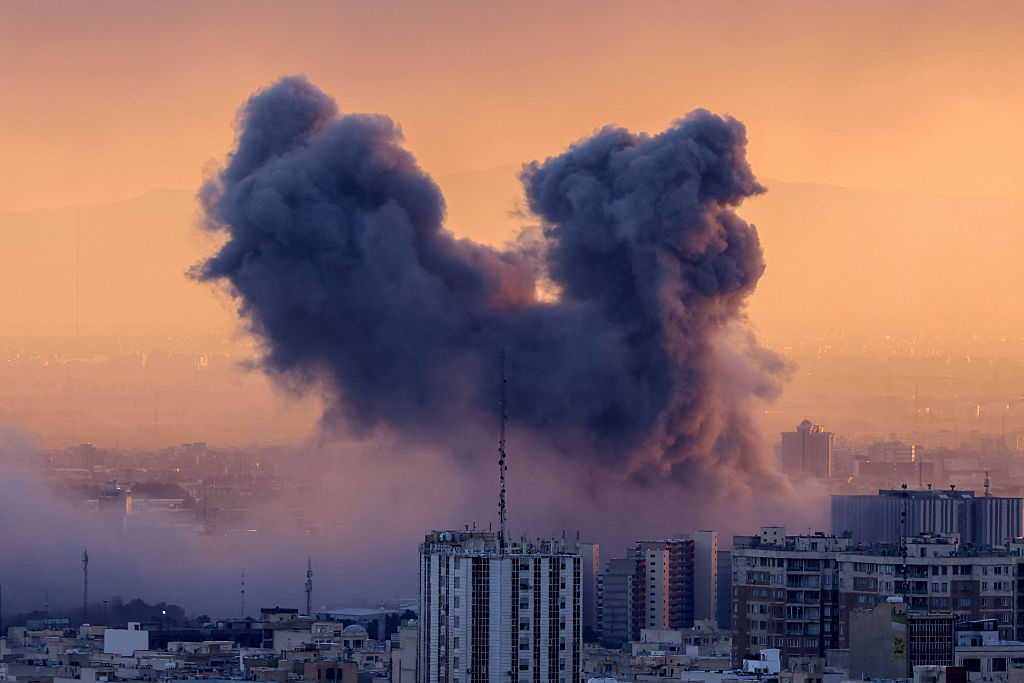
In the aftermath of World War II, the United States has consistently engaged in major military actions without the need for congressional consent. Donald Trump, initially positioning himself as a “peace president,” has paradoxically been more active in military interventions than many before him. A recent joint military operation with Israel against Iran has intensified this trend, resulting in the death of Iran’s supreme leader and civilian casualties, including an attack on a primary school in Minab, Hormozgan province, claiming over 170 lives, predominantly children.
This conflict with Iran poses significant threats to the global economy, potentially precipitating a worldwide economic crisis. Esteemed economist C. P. Chandrasekhar discusses these implications. Chandrasekhar, an emeritus professor from Jawaharlal Nehru University and a research scholar at the University of Massachusetts Amherst, provides a detailed analysis of the situation.
C. J. Polychroniou: What are the anticipated effects of the U.S.-Israeli conflict with Iran on the global economy, especially with fears of oil prices reaching $150 a barrel?
C. P. Chandrasekhar: The repercussions of the unilateral military operation by the U.S. and Israel should not be seen as unexpected shocks. Such actions, rooted in contemporary capitalism’s aggressive core, have foreseeable consequences. The immediate rise in oil prices underscores the region’s pivotal role in global supply chains. However, the volatility is exacerbated by speculative trading multinationals, who leverage market instability to extract significant profits. Though strategic oil reserves are being released, this measure may inadvertently signal speculators to anticipate prolonged conflict, driving prices even higher.
The longevity of this conflict remains uncertain, with Iran showing resilience despite internal challenges and external pressures. The political motivations of figures like Netanyahu prioritize strategic objectives over global economic stability. Trump’s involvement, therefore, becomes pivotal in determining the conflict’s duration.
The U.S. president finds himself in a precarious position: retracting from the conflict implies acknowledging a strategic misstep, while continued engagement risks escalating global economic instability. Efforts to stabilize oil prices and secure transit routes through the Strait of Hormuz illustrate this quandary.
The unfolding crisis is marked by inflationary pressures reminiscent of the 1970s, with rising oil prices potentially leading to higher interest rates. This dynamic threatens to reignite stagflation, characterized by concurrent inflation and recession, adversely impacting employment and income levels globally.
Furthermore, the impact on finance capital, a cornerstone of modern imperialism, is twofold: inflation undermines the speculative asset price increases that drive financial profits, while rising interest rates disrupt the debt-supported consumption and investment that finance capital thrives on.
How has the relationship between capitalism and military conflict evolved, and is militarism now a fundamental component of global capitalism?
Historically, the military-industrial complex has driven capitalist economies, benefiting from increased defense spending and elevated demand for military products. However, its influence has waned, with defense spending now a smaller percentage of GDP compared to the Vietnam War era. Nonetheless, militarism remains integral to capitalism, facilitating resource acquisition and market expansion through military means.
Today’s geopolitical maneuvers, such as the recent attempts to influence regimes in Venezuela and Iran, reflect a continuation of imperialist strategies aimed at securing global resources without direct occupation.
Given the U.S.’s current status as an oil exporter, will the Iran conflict have adverse effects on the U.S. economy?
Despite its status as a net oil exporter, the U.S. economy is not immune to global oil price fluctuations. The speculative nature of the Age of Finance means that any destabilization, such as that caused by the Iran conflict, could significantly impact the U.S. economy, particularly its working class, which is still recovering from previous financial crises.
Could the economic ripple effects of the Iran conflict precipitate a broader international economic crisis?
The global economic landscape is intrinsically unequal, and less-developed nations are often disproportionately affected by such conflicts. Rising oil prices strain trade balances, while increasing interest rates exacerbate existing debt challenges. A potential global recession could further impact remittances and export revenues, leading to economic destabilization and currency devaluation in vulnerable nations.
The cascading effects of this conflict, driven by aggressive state actions, are likely to be truly global in scope, with the brunt of the impact felt by the most economically vulnerable populations.
Original Story at truthout.org