Revamping Global Energy Ties in the Aftermath of Conflict
The recent war involving the United States and Iran has dramatically altered the global energy landscape, prompting countries in the Global South to seek alternative energy sources and pathways. This shift presents an opportunity for the U.S. Development Finance Corporation (DFC) to play a key role in supporting these regions, helping to build a resilient energy system and fostering economic ties.
The Role of the DFC in Economic Revitalization
As countries in the Global South reevaluate their energy strategies due to disruptions from the war, the DFC offers a mechanism to strengthen economic relations with these nations. By investing in infrastructure and refining capacities, the DFC not only aids in stabilizing energy supply chains but also creates avenues for American investment and exports.
Projects undertaken by the DFC are not only commercially beneficial but also enhance diplomatic goodwill. However, the DFC must ensure transparency and avoid coercive practices that could undermine local sovereignty or exclude competitors like China from local markets. Competing through better investment terms rather than military might is crucial for healthy U.S. competition with China.
Expanding Beyond Fossil Fuels
The war underscores the necessity of diversifying energy supplies beyond fossil fuels. The DFC should focus on investing in renewable sources such as nuclear and geothermal energy. In particular, the Philippines presents a significant opportunity due to its untapped geothermal potential, which could be leveraged to achieve energy independence and regional stability.
The Changing Landscape of U.S. Development Finance
Since President Donald Trump took office in 2025, there has been a notable shift towards development finance emphasizing trade and investment over foreign aid. A substantial expansion of the DFC’s capacity, with its maximum contingent liability increasing from $60 billion to $205 billion, enables it to undertake larger projects and take equity stakes.
The focus has been on enhancing supply chains for critical minerals, but the increasing demand for development finance due to the Iran war necessitates a broader focus. Opportunities exist in rebuilding energy infrastructure and supporting petrochemical industries, which are key to the global economy.
Energy Market Reconstruction Post-War
The Global South, especially Asia, is moving to diversify energy sources away from the Persian Gulf. This shift offers the U.S. new avenues for energy exports. However, the U.S. must be cautious of imposing exclusive ties that could lead to tensions and instead promote open competition.
With OPEC projecting a 23% increase in global energy demand by 2050, the U.S. must strategically navigate the changing energy mix, which is expected to include significant increases in renewable sources. China’s dominance in clean energy exports highlights the need for the U.S. to develop competitive alternatives.
Investment Focus for the Future
Ending Gas Flaring
Natural gas flaring remains a significant issue in the Global South due to insufficient infrastructure. The DFC can play a role in supporting technologies that capture and utilize flared gas, turning it into valuable energy resources. This move would not only enhance U.S. soft power but also open new markets for American energy companies.
Investing in Geothermal Energy
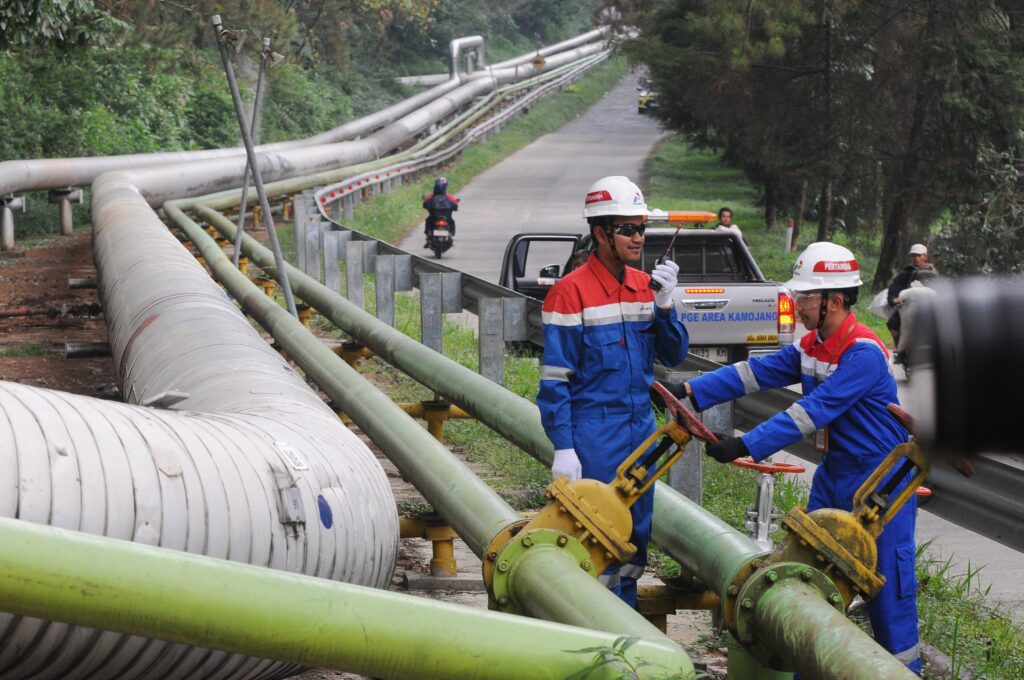
Geothermal energy is underutilized but has immense potential, especially in regions like the Philippines. By investing in geothermal technology, the DFC can help these countries achieve energy independence, reducing their reliance on imported energy and stabilizing regional geopolitics.
Supporting the Philippines’ Energy Ambitions
The DFC should prioritize investments in countries like the Philippines, where geopolitical tensions are high and energy independence is crucial. Supporting the Philippines in its transition towards renewable energy would enhance bilateral relations and contribute to regional stability without exacerbating military tensions.
Strategic Recommendations
- The DFC should assist Global South countries in building economic resilience post-Iran war, offering commercial opportunities and diplomatic benefits for the U.S.
- Projects should avoid enabling military coercion, focusing instead on commercial competition and economic inclusion.
- The DFC’s investments should span both fossil fuels and alternative energy technologies to reflect diverse energy infrastructures.
- Attention should be paid to transparency and avoiding dominance rhetoric that could harm diplomatic relations.
- Fostering non-security linkages in geopolitically sensitive regions like Southeast Asia and East Africa can strengthen U.S. ties without over-reliance on military engagement.
Original Story at quincyinst.org