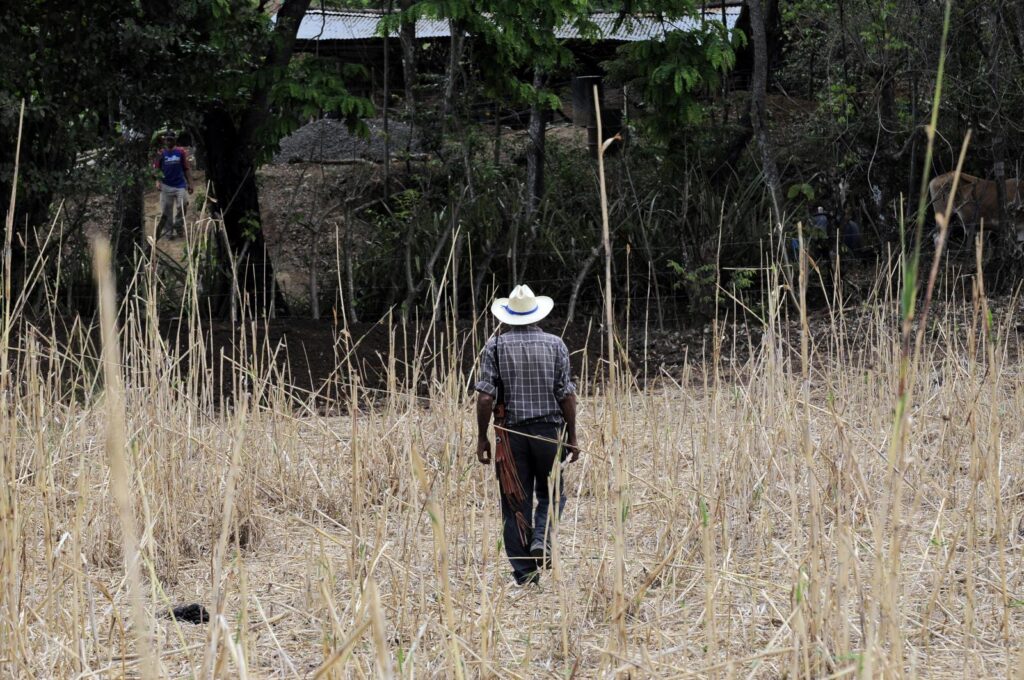
In a world where global conflicts often dominate headlines, the complexities of Central American politics and social issues can seem distant. Yet, the human rights challenges faced by countries like El Salvador, Honduras, and Guatemala are both significant and enduring. Organizations such as Cristosal are working tirelessly to address these issues, offering legal advocacy and investigating human rights abuses. Recently, Noah Bullock of Cristosal shared insights into the region’s struggles, emphasizing the resilience needed to overcome adversity.
Historical Context and U.S. Influence
Historically, U.S. intervention in Latin America has left deep scars. For instance, U.S. Marines occupied Nicaragua in the early 20th century, facilitating the rise of a dictatorship that lasted until 1979. American companies, meanwhile, extracted resources like gold and palm oil, often with little regard for local communities. During the Cold War, the U.S. justified interventions across Latin America, toppling elected leaders under the guise of combating communism. Guatemala’s 1954 coup and Chile’s 1973 overthrow of President Salvador Allende are stark examples.
With the Soviet Union’s collapse in 1991, U.S. interests shifted, leaving Latin America to some extent neglected. This shift, however, did not spare the region from the long-term repercussions of earlier interventions, including economic instability and political unrest.
The Rise of Gangs and Climate Challenges
In El Salvador, the seeds of gang violence were sown during the 1980s and 1990s when many Salvadorans fled to the U.S. to escape civil war. Upon returning, some brought back the gang culture of Los Angeles, including the notorious MS-13 and 18th Street gangs. This contributed to the rise of gang violence in the region, exacerbated by socio-economic challenges.
Simultaneously, climate change has devastated Central America. The region, especially within the “Dry Corridor” from southern Mexico to Panama, faces severe droughts affecting subsistence farmers. Climate models indicate worsening conditions, with the strongest El Niño in 140 years anticipated to exacerbate these challenges.
El Salvador’s Political Landscape
In recent years, El Salvador’s political landscape has shifted dramatically under President Nayib Bukele. Once known for his progressive measures as mayor of San Salvador, Bukele has embraced authoritarianism since his 2019 election as president. His administration has been marked by efforts to control the judiciary and suppress dissent, drawing concerns from human rights advocates.
Bukele’s controversial policies include mass incarceration of alleged gang members and constitutional changes allowing indefinite re-election. His partnership with former U.S. President Donald Trump further complicated the situation, with agreements to detain immigrants in El Salvador’s “terrorism confinement” prison raising ethical questions.
Continued Vigilance and Solidarity
Despite the challenges, organizations like Cristosal continue to advocate for human rights and justice. As global attention remains focused on conflicts elsewhere, the situation in El Salvador and neighboring countries deserves scrutiny. The plight of Central America is a reminder of the complex interplay between historical injustices, political dynamics, and environmental challenges. As Noah Bullock from Cristosal noted, perseverance is crucial in the journey toward justice and human rights.
Original Story at www.resilience.org