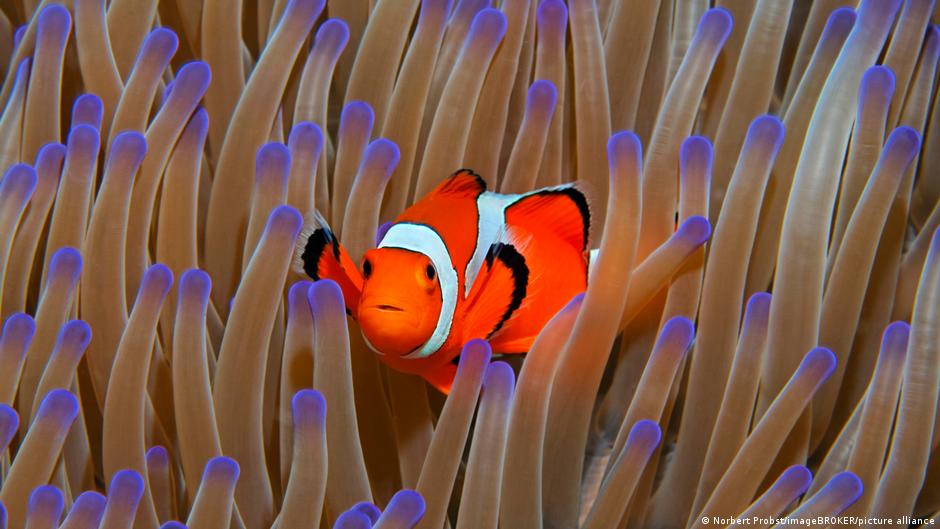
With the clock ticking towards 2075, a significant portion of the world’s shallow-water coral reefs are in danger of collapsing, primarily due to climate change, according to a recent warning by the International Union for Conservation of Nature (IUCN). This revelation underscores the urgent need for global conservation efforts to protect these vital ecosystems.
In the groundbreaking survey of 127 tropical and subtropical coral reef systems, the IUCN discovered that a staggering 96% are at the highest risk level of collapse. These shallow-water reefs, found at depths up to 40 meters (131 feet), are rich with biodiversity.
Among the affected areas are iconic sites like Australia’s Great Barrier Reef, the Coral Triangle, and the Mesoamerican Reef System.
Primary Threats to Coral Reefs
Globally, shallow-water reefs span approximately 188,000 square kilometers (73,000 square miles). These ecosystems are highly sensitive to temperature changes, making them vulnerable to climate-induced stress. When water temperatures rise beyond normal levels, corals expel the algae that nourish them, leading to coral bleaching and potential death.
Other significant threats include overfishing, particularly of species like parrotfish and groupers, which are crucial for maintaining ecological balance. Coastal development, pollution, tourism, and increasingly severe storms further exacerbate reef degradation, often replacing coral structures with less diverse ecosystems.
Hope for Coral Reefs
“The future threat of climate change is looming and severe, and that poses a very high risk to the survival of these ecosystems,” stated Mishal Gudka, scientific lead of the IUCN Red List of Coral Reef Ecosystems assessment. The study uses a climate model predicting a global temperature rise of about 2.7 degrees Celsius (4.86 degrees Fahrenheit) by 2100.
Despite the dire predictions, the IUCN emphasized that most reefs have not yet perished. Excluding future climate projections, only 24% would be classified as critically endangered based on changes over the past five decades. “This gives us a critical window for action for us to scale up conservation efforts and climate action to prevent the worst outcomes from occurring,” Gudka noted.
IUCN Director General Grethel Aguilar expressed optimism, stating, “It is not too late to give coral reefs a chance to recover.” She emphasized the necessity for “ambitious emissions reductions, stronger protection and restoration efforts, and sustained investment in resilient coastal ecosystems and the communities that depend on them.”
Original Story at www.dw.com