From our collaborating partner Living on Earth, public radio’s environmental news magazine, an interview by Paloma Beltran with Thea Riofrancos, the author of “Extraction: The Frontiers of Green Capitalism.”
Exploring the Hidden Costs of Electric Vehicle Batteries
The rapid rise in electric vehicle sales has been a global phenomenon, with projections indicating that by 2025, more than 20% of new cars sold worldwide will be electric. While this shift is crucial for tackling climate change, it comes with significant environmental and social challenges. The batteries powering these vehicles require metals like nickel, copper, and lithium, whose extraction can devastate ecosystems and communities.
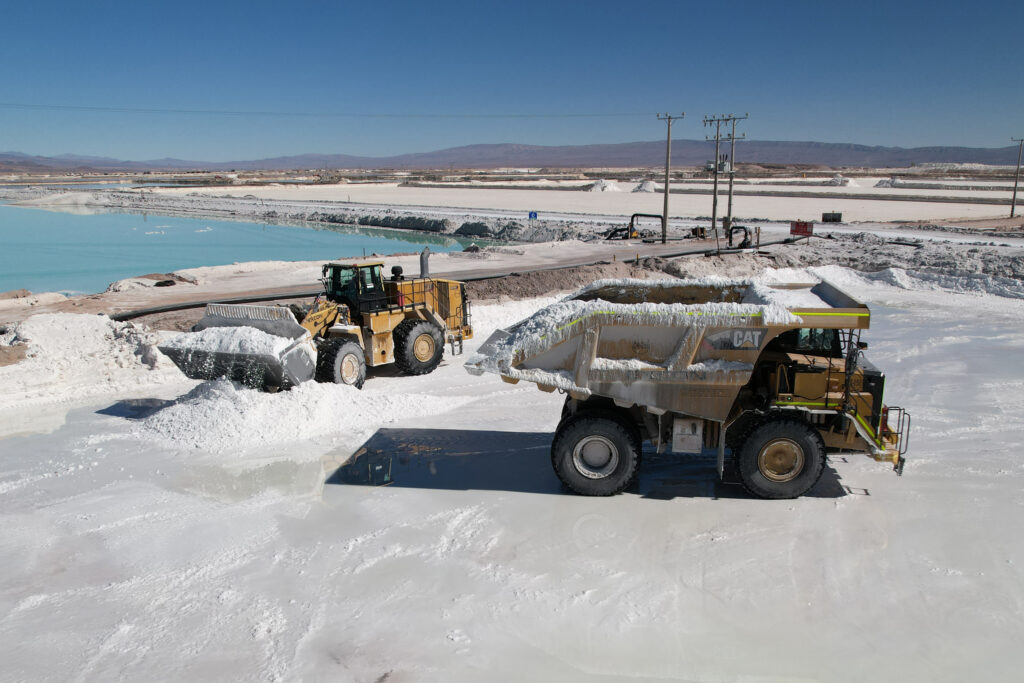
Author and political scientist Thea Riofrancos visited the Atacama Desert in Chile, home to vast lithium reserves, to investigate these impacts for her book “Extraction: The Frontiers of Green Capitalism.” The desert, one of the driest regions on Earth, contains the Salar de Atacama salt flat, a crucial source of lithium.
According to Riofrancos, “The Salar de Atacama is an amazing place, impacted by extraction yet full of life and vibrancy.” Despite being a hub of lithium mining, the area supports diverse life forms, including the Andean flamingo, and is surrounded by Andean mountains.
Lithium: The Backbone of the Energy Transition
Often referred to as the “MVP” of the energy transition, lithium is integral to the batteries that power everything from cell phones to electric vehicles. As transportation accounts for the largest share of carbon emissions in the U.S., lithium batteries are vital for reducing these emissions. They also play a crucial role in stabilizing renewable energy in electric grids.
The Impact of Lithium Mining in Chile
Despite its importance, lithium extraction in places like the Atacama Salt Flats has raised significant concerns. The environmental costs are evident—noise and infrastructure from mining disrupt local wildlife, while water extraction practices threaten both biodiversity and human communities. Until recently, the voices of Indigenous communities affected by these changes were largely unheard.
Mining companies such as SQM and Albemarle, both major players in the global market, have benefited significantly from Chilean lithium. However, ongoing debates question the fairness of the environmental burdens borne by Chile compared to the global benefits of lithium.
Riofrancos emphasizes the importance of “empowered, engaged and organized communities” in advocating for better mining governance. She notes that local communities, with their deep cultural ties and environmental awareness, are often the first to recognize and protest against poor governance practices.
Rethinking the Energy Transition
While electric vehicles are often seen as an eco-friendly choice, Riofrancos’ work highlights the unconsidered impacts of their production. She argues that a more holistic approach is needed—one that includes alternatives like electric buses and urban planning for shorter commutes. Such measures could reduce reliance on cars and the extensive mining they entail, offering a more equitable path forward.
The global energy transition is complex and multifaceted. While progress is made in some areas, challenges remain. Riofrancos calls for a just transition that balances the need for new technology with minimizing environmental impacts and promoting global equity. This vision includes leveraging the energy transition as a chance for economic development, particularly for Global South countries.
Original Story at insideclimatenews.org