The Intersection of Mental Health and Climate Change: A Growing Concern
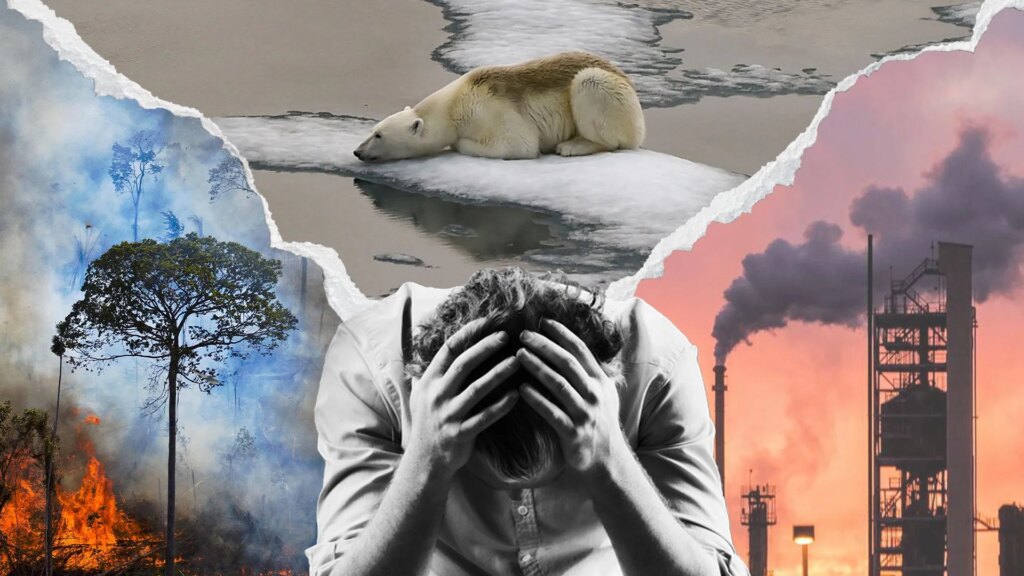
As climate change continues to alter our environment, its impact on mental health is becoming an increasingly important topic. While the physical effects of polluted air, insufficient nutrition, and rising temperatures are well-documented, the psychological impact, such as eco-anxiety, is gaining attention.
A recent study conducted by Quinnipiac University surveyed 305 students, revealing that 95% recognized the reality of climate change. These students expressed concerns about how climate change might affect them, both now and in the future, leading to feelings of helplessness and a perceived lack of control over environmental changes.
Undergraduates, already grappling with academic pressures and career uncertainties, are particularly susceptible to these eco-anxieties. This sentiment resonates with many, as fears about environmental degradation, such as the transformation of natural landscapes into housing developments and the increasing frequency of wildfires, become more prevalent.
Efforts to mitigate personal environmental impact, such as reducing single-use plastics and supporting small businesses, often feel like an uphill battle. Despite individual actions, the broader public sphere often seems to contradict these efforts, exacerbating feelings of isolation.
Political actions further contribute to this stress. Early in President Donald Trump’s second term, there were significant policy shifts, including an attack on state laws that address climate change and environmental justice. The Department of Government Efficiency (DOGE) also reduced funding for essential services like the National Park Service and the U.S. Forest Service.
Recently, there was a glimmer of hope when Republican leaders in the House of Representatives reversed their decision to weaken federal protections for endangered species. However, the bill that threatens the Endangered Species Act is expected to be revisited.
Environmental concerns often get overshadowed by other global issues, such as conflicts in the Middle East and allegations of abuse, making it challenging to prioritize climate change. However, the climate crisis is fundamentally about safeguarding human life.
In 2023, around 124 million people faced food insecurity due to climate-related events, and approximately 546,000 heat-related deaths occurred annually. Natural disasters continue to disrupt lives and displace populations, becoming increasingly common.
Despite these challenges, there have been positive developments. Last year saw solar power become the largest contributor to global energy, accounting for 25% of energy production. California is also set to open its first wildlife crossing bridge by year’s end to mitigate animal-vehicle collisions.
Addressing climate change requires more than just acknowledging our fears; it involves taking consistent action. While there is no universal solution, recognizing and managing eco-anxiety is crucial to maintaining momentum in the fight against climate change.
Original Story at www.thepanthernewspaper.org