On May 22, 2026, Sumatra experienced a significant power outage caused by a failure in the 275-kilovolt (kV) Muara Bungo-Sungai Rumbai transmission line located in Jambi. This incident triggered widespread blackouts across the island. Concurrently, the Java-Madura-Bali grid suffered a rolling blackout, initially attributed to a coal supply shortage. Although the Ministry of Energy and Mineral Resources (MEMR) denied this claim, citing technical issues, PT Perusahaan Listrik Negara (PLN) later confirmed that limited coal supply indeed exacerbated the situation.
These events underscore the vulnerabilities within Indonesia’s electricity infrastructure, highlighting the necessity for grid enhancements and a diversified energy mix. Power disruptions carry significant economic and societal implications, leaving residents, businesses, and critical public services at risk.
To address these challenges, increased investment in transmission networks and modernization of outdated grid infrastructure is essential. Implementing advanced monitoring and control technologies, along with improved maintenance practices, can enhance grid reliability and resilience. However, current institutional and financial frameworks are insufficient to meet these needs on a large scale.
The Role of Renewable Energy
The recent disruptions emphasize the importance of renewable energy, particularly solar power, in bolstering energy security. Solar energy, unlike traditional thermal generation, is not dependent on fuel supply chains, reducing exposure to shortages and price fluctuations.
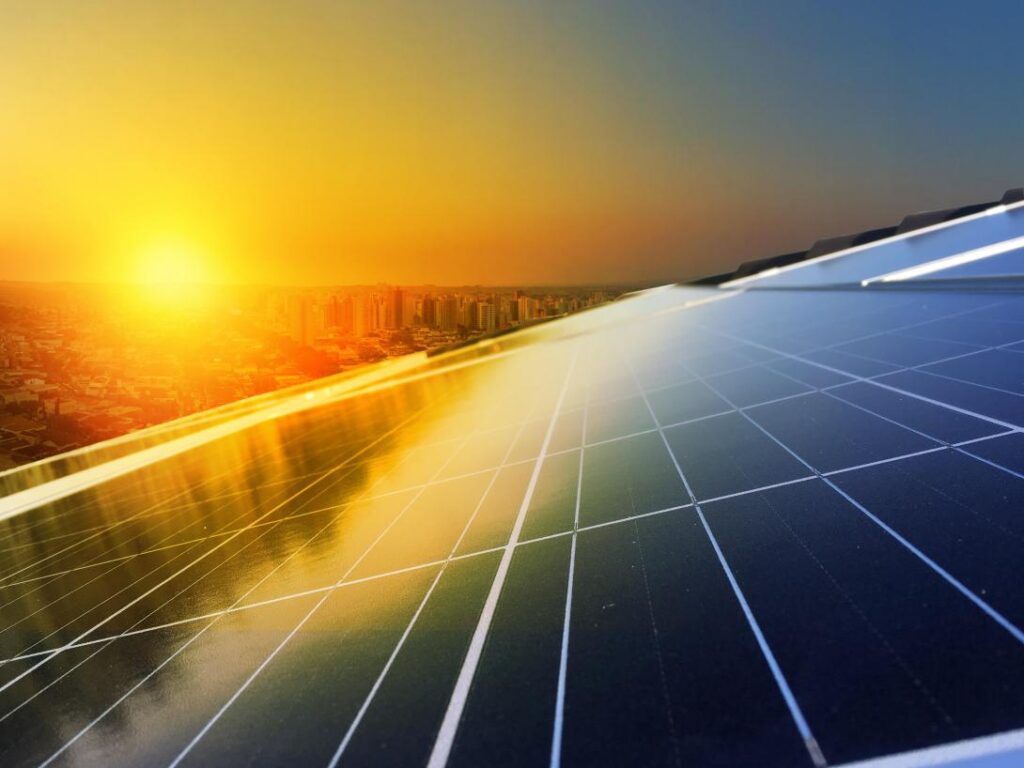
For Indonesia’s diverse archipelago, rooftop solar combined with battery energy storage systems (BESS) offers a feasible alternative to diesel power, which is both costly and challenging to maintain. Hybrid systems that integrate solar with BESS can operate independently of the grid, providing power during outages by storing excess energy generated during the day. While these systems may not power entire facilities for extended periods, they can support essential operations and reduce disruption.
Rooftop solar installations, adaptable at household and community levels, reduce dependence on centralized power plants and fuel supply chains, thereby enhancing energy resilience. As global energy markets face geopolitical tensions and supply chain disruptions, localized generation through solar technology becomes increasingly beneficial.
Challenges in Rooftop Solar Adoption
Despite the benefits, rooftop solar adoption in Indonesia remains limited. In 2025, households accounted for 42% of the 318 terawatt-hours (TWh) of electricity sold by PLN, but the country’s installed rooftop solar capacity was only 853 megawatts (MW) as of 2025. This is significantly lower than in neighboring countries like Vietnam, Thailand, and Malaysia.
Several barriers contribute to this underperformance:
Limited financial benefits: Changes in net metering regulations under MEMR Regulation No. 2 of 2024 have reduced the financial attractiveness of rooftop solar by restricting the ability to offset electricity costs with surplus generation.
Quota restrictions: PLN’s quota system for rooftop solar connections limits installation opportunities, with the Electricity Supply Business Plan (RUPTL) 2025–2034 allocating only 3,037MW for new installations.
High upfront investment costs: The initial cost of a 1-kilowatt (kW) hybrid solar system is prohibitive for many, given the GDP per capita of USD4,925 in 2024. Without financing options, rooftop solar remains out of reach for many households.
Artificially low PLN tariffs: Government-subsidized electricity tariffs reduce the financial incentive for households to invest in rooftop solar, extending payback periods significantly.
These challenges, combined with bureaucratic hurdles, have hindered the adoption of rooftop solar among households and local governments, despite its potential benefits.
Recommendations for Progress
Several reforms could accelerate rooftop solar adoption in Indonesia:
1. Financial incentives: Implementing well-designed mechanisms like net metering, subsidies, and tax breaks can make rooftop solar more economically attractive.
2. Quota reform: Adjusting quotas could expand participation and reduce barriers to deployment.
3. Support for the ESCO model: Enabling longer-term contracts and reducing restrictions can make solar power accessible to more users by spreading costs over time.
4. Policy and permitting improvements: Including BESS in policy frameworks can enhance electricity resilience during outages.
Enhancing rooftop solar adoption should be part of a broader strategy to improve Indonesia’s electricity network and address transmission bottlenecks that hinder grid expansion and reliability.
Power outages are not just inconvenient but can be costly and life-threatening, with economic losses estimated in the trillions of rupiah. Improved energy security through investment in rooftop solar and BESS can mitigate these impacts and support a more reliable power supply.
Read the commentary in Bahasa Indonesia: Blackout Jadi Alarm Indonesia Percepat Pengembangan PLTS Atap
Original Story at ieefa.org