
Climate Change’s Unseen Impact: Linking Glacial Melt to Earthquakes
An intriguing study published in Earth and Planetary Science Letters unveils a novel connection between climate change-induced glacial melting and seismic activity. A team of researchers explored seismic data spanning 15 years in the Grandes Jorasses, a prominent peak in the Mont Blanc massif bordering Italy and France, to shed light on this potential link.
Verena Simon, a postdoctoral researcher at the Swiss Seismological Service and one of the study’s lead authors, noted, “Researchers had long observed seasonal fluctuations in earthquake activity and proposed several external drivers [as causes].” These include alterations in snow and ice loads, intense precipitation, and atmospheric-pressure changes.
John Mutter, a seismologist from Columbia University’s Lamont-Doherty Earth Observatory, added insight into the role of fluids in seismic events. According to Mutter, “Fluids of various types are very much involved in fault motions,” suggesting that the presence of fluids in fault plane gouge can facilitate movement.
Water from melting glaciers can percolate through porous rocks, potentially increasing pressure between tectonic plates and leading to movement. This phenomenon occurs as meltwater seeps into the Earth, altering the pressures in the Earth’s crust. Mutter elaborated on this by saying, “If you change the stress regime, that could trigger a fault,” although he expressed uncertainty about the depth meltwater might reach.
Simon highlighted the study’s significance by stating, “Our study provides the first direct observational link between climate-change-driven snow and glacier melt and a measurable increase in short-term seismic hazard.”
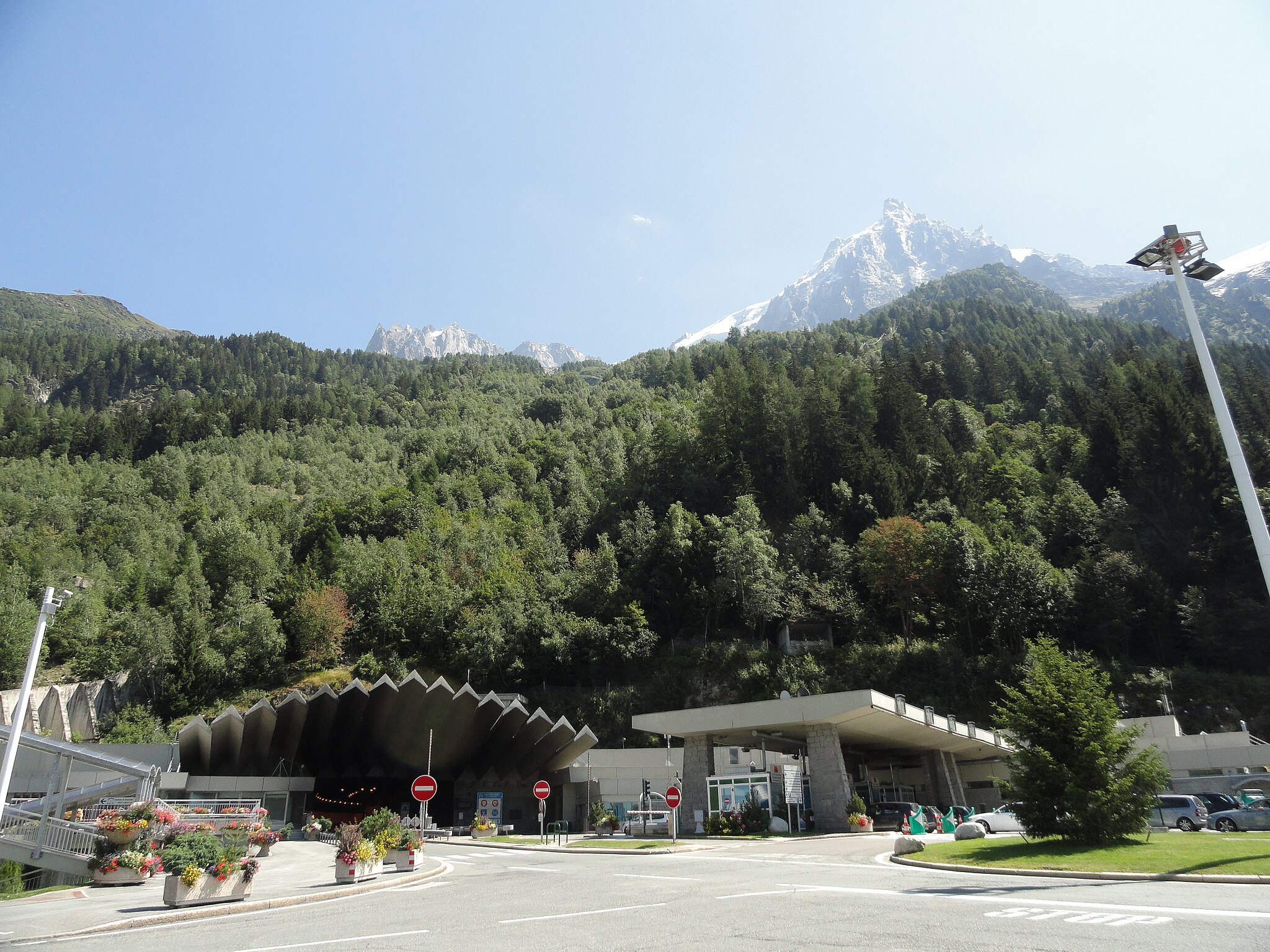
The Mont Blanc region, known for seasonal earthquakes correlated with snowmelt, served as a critical location for the study. Researchers documented an increase in seismic events during late summer when meltwater is at its peak. By analyzing data from seismometers, the team compiled a catalog of 12,303 earthquakes from 2006 to 2022, noting that seismic activity clustered along a shear zone intersecting the Mont Blanc Tunnel, where surface meltwater was prevalent.
The study also examined the effects of a 2015 heatwave, which led to increased glacial melt and subsequent seismic activity. Data indicated a surge in the frequency and magnitude of earthquakes following this event.
Simon and her team utilized models to corroborate the link between heatwave-induced meltwater and seismic events, showing increased earthquakes from 2015 onwards, especially at higher elevations. The models revealed a time-lag, with shallow earthquakes linked to the previous year’s runoff and deeper ones to runoff from two years prior.
Despite some skepticism from experts like Mutter, who questioned how meltwater might penetrate deep enough to influence faults, the study highlights a potential new dimension to the relationship between climate change and earthquakes. Mutter stated, “What you can do is monitor the induced seismicity very carefully. You can map the distribution of these little earthquakes and that could tell you which faults are being activated.”
Simon cautioned that ongoing glacial melt due to global warming could elevate seismic risks, particularly for alpine communities. She warned, “In the future, this may elevate risk for alpine communities, and other glaciated regions could face similar, climate-modulated seismic hazards.”
This research opens pathways for improved earthquake preparedness strategies for communities situated near glaciers worldwide.
Original Story at news.climate.columbia.edu