The Strait of Hormuz, a critical artery for global energy supplies, has been shut down for over a month, causing significant disruption in energy markets worldwide. This waterway normally facilitates the movement of around 20% of the world’s oil and gas, and its closure has created an energy crisis larger than those experienced during the 1970s. The global community now faces a critical choice: revert to traditional fossil fuel dependencies or pivot towards a more sustainable energy future.
Despite the unprecedented scale of this oil supply interruption, the consequences have been less severe than in past crises, primarily due to the current diversification of the global energy mix. The expansion of renewable energy sources has increased energy independence for many countries, reducing reliance on fossil fuels.
Nations with significant renewable energy investments have displayed greater resilience amid current market turbulence. In Asia, where the conflict in Iran has severely impacted energy sectors, China’s extensive renewable energy infrastructure and substantial crude reserves have provided a strategic advantage. Similarly, Spain’s robust solar industry has helped maintain more consistent energy prices compared to other European nations.
As global energy crises continue to emerge, it is evident that enhancing energy security requires a strategic shift towards diversified and independent energy systems. Renewable resources like solar, wind, and nuclear power, which can be harnessed by virtually any country, offer a stable alternative to fossil fuels, whose supply chains are predominantly controlled by a few key players.
A report from Forbes highlights the vulnerability of the global fossil fuel system, stating that there is “too much economic power concentrated in too few places, all of which must travel through the same maritime—and militarized—chokepoints.” The piece further suggests that transitioning to clean energy is no longer just a moral obligation but an economic and geopolitical necessity, emphasizing that “it’s not about emissions. It’s about resilience and price stability.”
While the immediate effects of the conflict and the closure of the Strait of Hormuz have largely impacted Asia, the rest of the world is anticipated to face similar challenges soon. High oil prices and economic repercussions such as inflation and recession loom on the horizon.
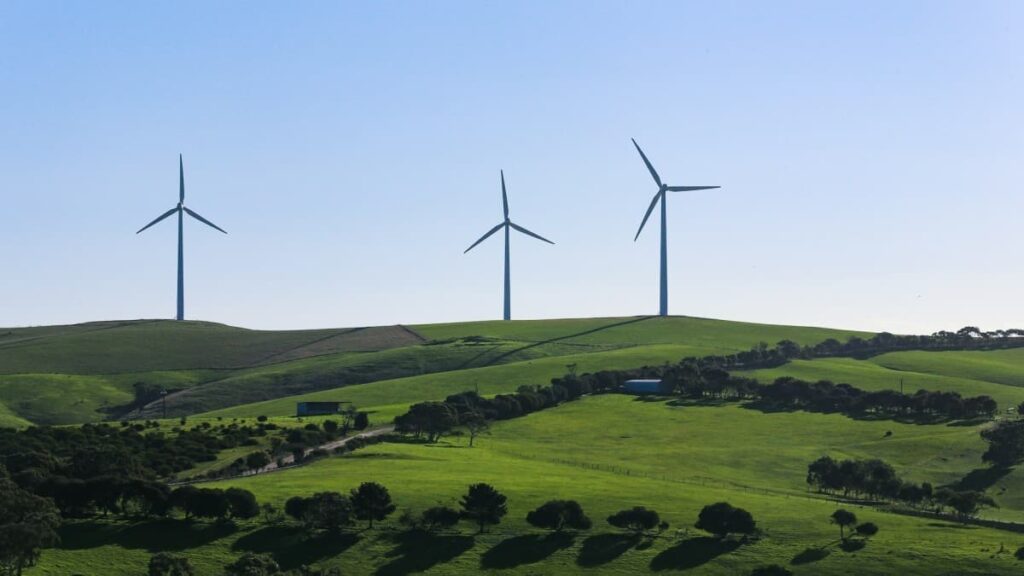
The current energy crisis, despite its challenges, may accelerate the global transition to renewable energy. With solar and wind power already more cost-effective than fossil fuels even before the conflict, increased adoption of renewables could bolster economic stability, enhance energy security, and benefit the climate.
David Frykman, General Partner at Stockholm-based Norrsken, emphasized in a Fortune op-ed that “Wind and solar cannot be embargoed, blockaded, or shut off by a foreign power,” underscoring the strategic advantage of renewable energy. “Every terawatt-hour of domestic renewable generation is a terawatt-hour that no adversary can weaponize.”
By Haley Zaremba for Oilprice.com
More Top Reads From Oilprice.com
Original Story at oilprice.com