As Southeast Asia grapples with its growing energy demands, the recent conflict in Iran has underscored the region’s heavy reliance on fossil fuel imports and exposed its vulnerability to market disruptions. Although progress is being made toward electrification and reducing dependency on imported oil and gas, the path forward is fraught with challenges.
The closure of the Strait of Hormuz in February, following military actions by the United States and Israel in Iran, had an immediate and severe impact on Asian markets, particularly in Southeast Asia. This region, due to its significant dependence on energy imports and limited capacity to cushion market shocks, was acutely affected by the closure. As a result, nations like the Philippines declared a national energy emergency and resorted to measures such as energy rationing, remote work, and shortened workweeks to mitigate the crisis.
Despite these challenges, the crisis has accelerated a shift toward renewable energy, offering a potential boost to the region’s energy security and independence. However, this transition is complicated by existing infrastructure limitations. The International Energy Agency (IEA) emphasized the region’s increased exposure to market volatility due to rising fuel imports and electricity demand. Their report suggests that closer cooperation among Southeast Asian countries could enhance their collective ability to manage such disruptions. “Southeast Asia is one of the world’s most dynamic regions,” said IEA Executive Director Fatih Birol. “Energy security must be built into decisions across the whole system from oil stocks and gas infrastructure to electricity grids and more efficient use of energy.”
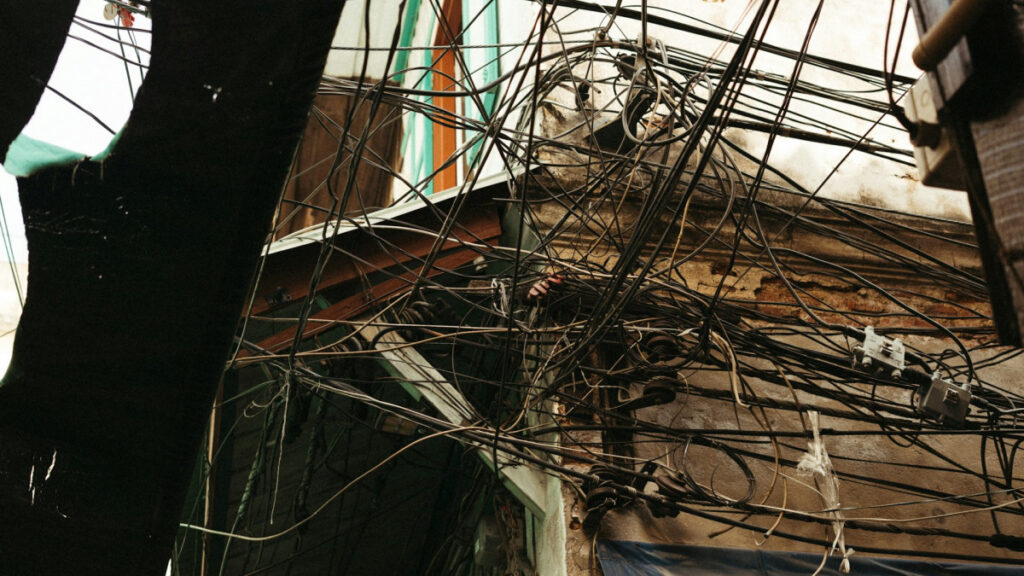
While solar energy is gaining traction in Southeast Asia, the region’s progress is hindered by insufficient grid infrastructure, energy storage, and transmission capacities, posing a potential bottleneck in its electrification efforts. A report from Climate Home News highlights issues such as unclear power purchase agreements, outdated power policies, and grid connection constraints, all of which are slowing the rollout of new clean energy projects.
The urgency of addressing these infrastructural and policy challenges is highlighted by a report from Bain & Company and Standard Chartered, which found that between 2021 and 2025, a significant portion of renewable energy projects in countries like Vietnam, Thailand, and Indonesia were either canceled or delayed due to inadequate support. This problem is exacerbated by the rapid economic development in the region, which is expected to drive more than 100 TWh of new electricity demand by 2030, mainly from data centers, electric vehicles, and industrial clusters.
To navigate these challenges, the IEA’s report suggests that stronger national preparedness and deeper regional cooperation are crucial. By fostering collaboration across different sectors and fuels, ASEAN countries can better withstand supply disruptions and volatile prices, ensuring a more resilient energy future for the region.
Original Story at oilprice.com