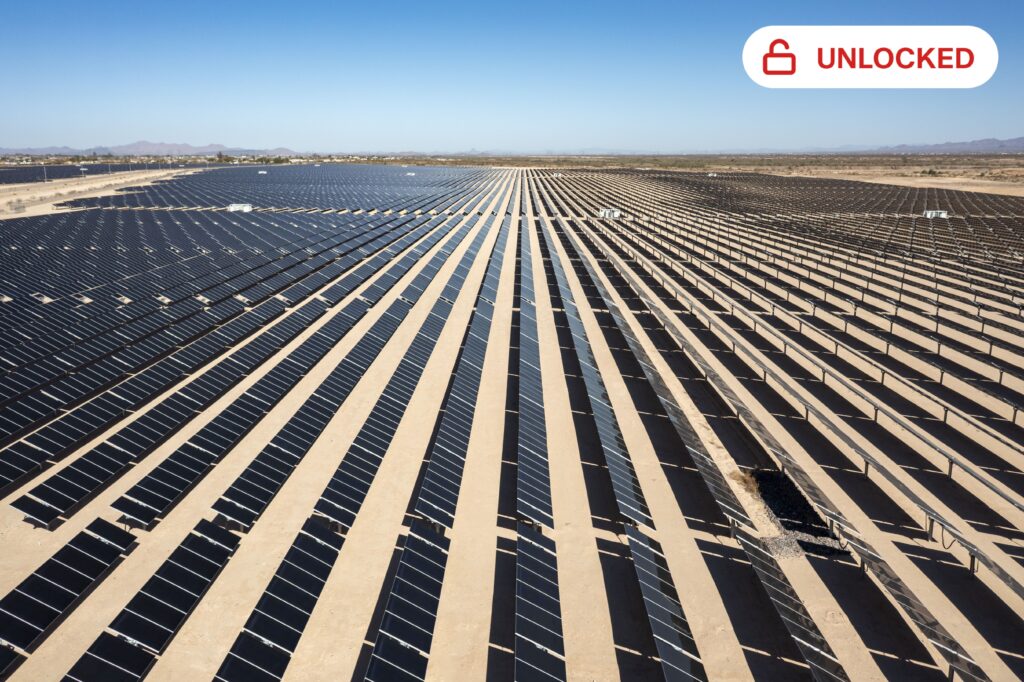
Renewable Energy’s Paradox: Falling Costs but Rising Electricity Prices
In an era where renewable energy technologies have seen monumental cost reductions, electricity prices are paradoxically on the rise. This conundrum leaves many questioning why advancements in wind, solar, and battery storage aren’t translating into lower bills for consumers.
Since 2010, the cost of wind turbines has dropped by approximately 70%, and solar panel prices have plummeted by 90%. Lithium-ion batteries, crucial for energy storage, have also seen a 90% cost reduction over this period. Despite these advances, the question remains: why are electricity costs climbing? According to the U.S. Energy Information Administration, it’s a complex issue influenced by multiple factors.
Understanding the Cost Dynamics
The increasing electricity prices are attributed to three key reasons. First, the intermittency of renewable sources like wind and solar necessitates backup infrastructure, such as natural gas plants and extensive transmission networks, which contribute to overall costs. Second, geographical constraints limit where these renewable sources can be effectively deployed. The best locations for wind and solar may not align with existing infrastructure or population centers.
Lastly, U.S. electricity demand is on the rise, driven by electrification trends in vehicles, HVAC systems, and the burgeoning AI industry. This rising demand, coupled with the slow pace of bringing new power generation online, is pushing prices upward, as highlighted in a recent report.
Challenges of Intermittency and Infrastructure
Renewable energy’s intermittency remains a significant hurdle. While they act as fuel-savers for traditional power plants, renewables require substantial additional capacity to balance supply fluctuations. Current battery technology cannot bridge long-term gaps caused by prolonged lulls in wind or sun availability, necessitating further infrastructure development. Capital costs for expanding the U.S. power system are expected to rise accordingly.
Geographical Constraints and Transmission Challenges
Geographical factors further complicate the integration of renewables. Long-distance transmission lines are essential to connect renewable-rich areas to demand centers, yet the U.S. faces significant hurdles in building these lines, often due to regulatory challenges. The delay in expanding transmission infrastructure has stalled numerous projects, potentially halving the growth of wind and solar by 2030.
Moreover, local opposition and geographical limitations, such as those in the Northeastern U.S., pose additional barriers. While there is ample potential for wind and solar, these constraints hinder consistent deployment, despite falling costs.
Meeting Rising Demand
The current growth in electricity demand, spurred by AI data centers and the migration to warmer states, outpaces the introduction of new renewable energy sources. While data centers primarily rely on natural gas for immediate power needs, interest in nuclear power and carbon capture technologies is growing. However, these alternatives remain speculative at present.
Energy analysts caution that despite the declining costs of wind and solar, these renewables alone cannot meet the increasing electricity demands of modern grids. The situation calls for a diversified approach, integrating various energy technologies to sustain future power needs.
Policy Watch
- In light of these challenges, the need for legislative action is critical. Delays in passing major permitting reforms could impede the U.S.’s ability to handle the rising energy demand. Both Democratic and Republican lawmakers are hopeful for a bipartisan agreement, but specifics may not materialize until after the midterm elections.
- The U.S. Highway Trust Fund, reliant on a stagnant federal gasoline tax, faces insolvency. Alternatives like a weight-based vehicle fee or a vehicle miles traveled tax are being considered to ensure sustainable infrastructure investment.
Further Reading
- Paul Ehrlich’s influence on energy policy, rooted in a perspective of limits, contrasts with the current focus on innovation. Recent writings highlight how technological advancements have often exceeded these perceived limitations.
- Derek Thompson’s analysis suggests that AI’s impact may parallel the transformative power of electricity in the early 20th century, posing significant challenges and opportunities for future energy strategies.
Original Story at thedispatch.com