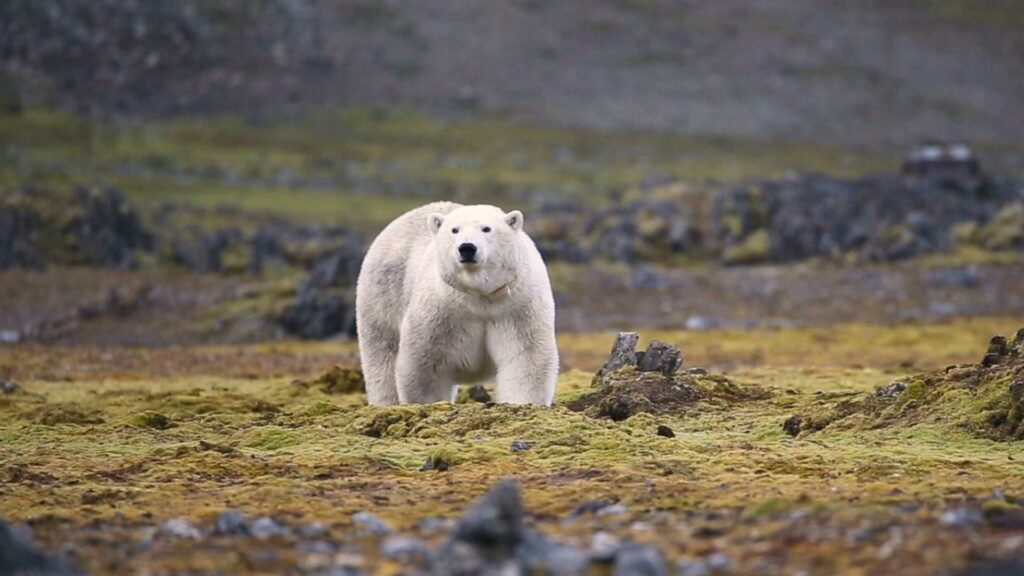
In a surprising twist of nature, polar bears in the Svalbard region of Norway and parts of Greenland are showcasing unexpected resilience to climate change. While these bears have long symbolized the peril of melting Arctic ice, recent observations indicate some are thriving by adapting their diets and possibly even their genetics.
Polar bears in Svalbard have been observed consuming large quantities of bird eggs, which has led to improved health despite the dwindling sea ice. In Greenland, there’s evidence suggesting that polar bears might be undergoing genetic adaptations to cope with rising temperatures. These developments present a glimmer of hope for the species often depicted clinging to shrinking ice floes.
Unexpected Adaptations
According to experts, these findings might point to previously unrecognized refuges where polar bear populations could survive longer than formerly anticipated. Although these developments alone won’t prevent extinction, they might afford the species more time, provided global efforts to cut emissions are successful.
The survival of polar bears (Ursus maritimus) is closely linked to sea ice, which serves as their primary hunting ground for seals. A study from 2020 projected that if current greenhouse gas emissions persist, most polar bear populations will collapse by the year 2100, except for a few in locations like Canada’s Queen Elizabeth Islands.
Positive Signals
Recent studies bring new insights into the adaptability of these creatures. A January study in Scientific Reports tracked the body condition of 770 polar bears in Svalbard from 1995 to 2019 and found that, contrary to expectations, these bears had become healthier over time. “We expected to see a decline in body condition because of the rapid loss of sea ice,” said lead researcher Jon Aars from the Norwegian Polar Institute.
Another study in the journal Mobile DNA highlighted that some bears in southern Greenland are utilizing “jumping genes” to alter their DNA, potentially helping them adapt to warmer conditions by modifying how they process heat and fats.
A Complex Reality
Despite these promising signs, the overall situation for polar bears remains challenging. “If you lose the sea ice, the bears are losing habitat,” said Andrew Derocher of the University of Alberta. Bears are forced to stay on land longer, leading to higher energy expenditure and poorer conditions.
However, in regions like Svalbard, polar bears benefit from a rich ecosystem, feeding on a variety of prey such as walruses, birds, and reindeer. “They just raid quite a lot of the nests, eating absolutely everything,” noted Aars. Nevertheless, reindeer alone cannot sustain the bears.
Genetic adaptations observed in Greenland may not provide the immediate solutions needed, as the timeline for such changes to have significant impact exceeds the time polar bears are expected to survive without intervention. “They’re adapting as best they can, but without human intervention, the odds aren’t looking great,” said Alice Godden from the University of East Anglia.
Future Prospects
The survival of polar bears in the long term hinges on global actions to reduce emissions. Regional differences in geography, food availability, and ice conditions mean that some populations may fare better than others. Yet, as Louise Archer from the University of Toronto Scarborough pointed out, “It’s absolutely in our hands how the future plays out.”
Original Story at www.livescience.com