
Planet China: A series exploring Beijing’s global trillion-dollar development influence.
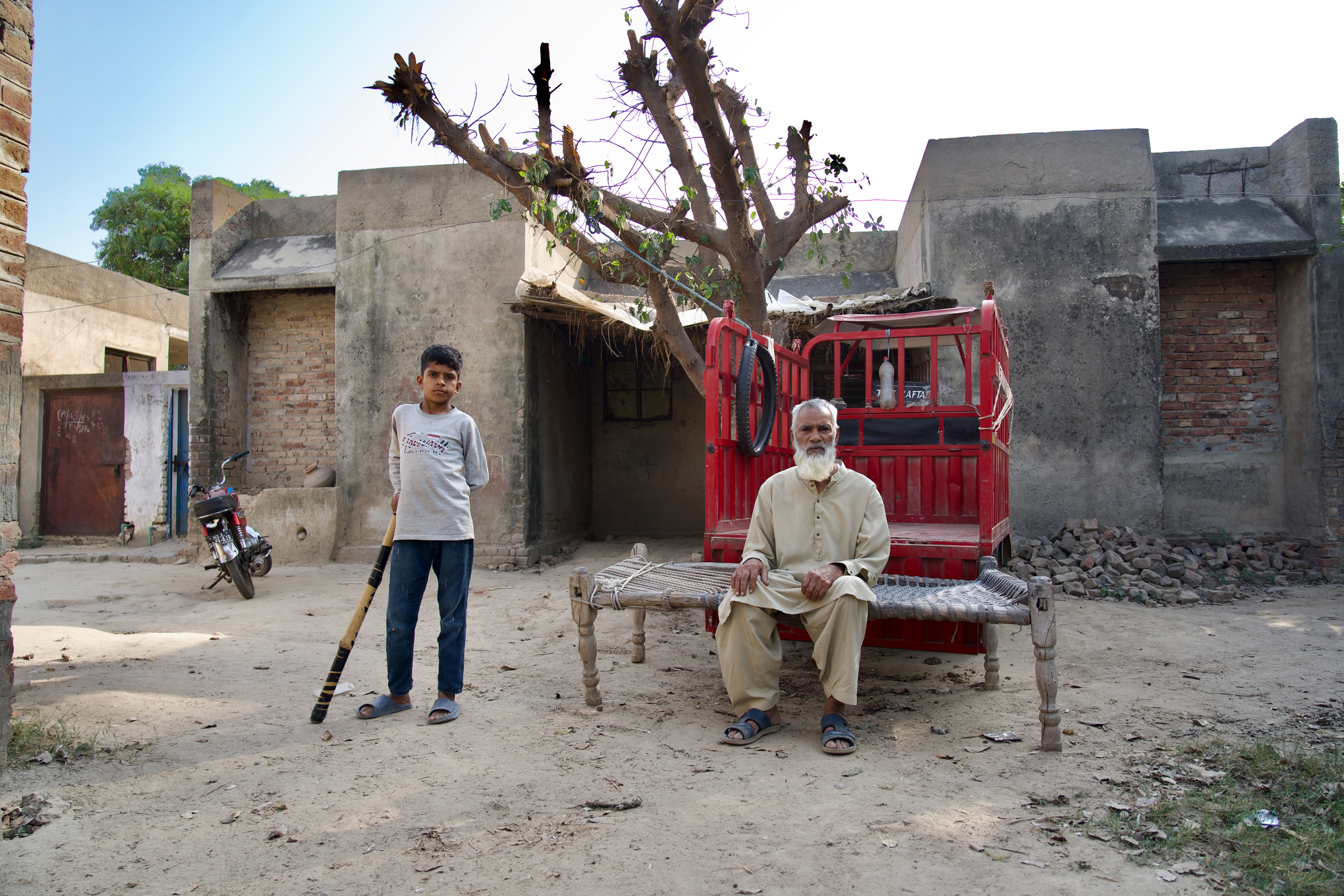
QADIRABAD, Pakistan—As Muhammad Imran prepared to leave Pakistan in November, the imposing Sahiwal coal-fired power plant loomed near his neighborhood. Environmental and economic concerns persuaded him and his family to seek a better future abroad.
Imran, 33, expressed concerns about the air quality. “Everyone here breathes the same air,” he said, while his wife, Asma Rafique, comforted their children. Their housing colony lies in the shadow of the power plant’s towering smokestacks.
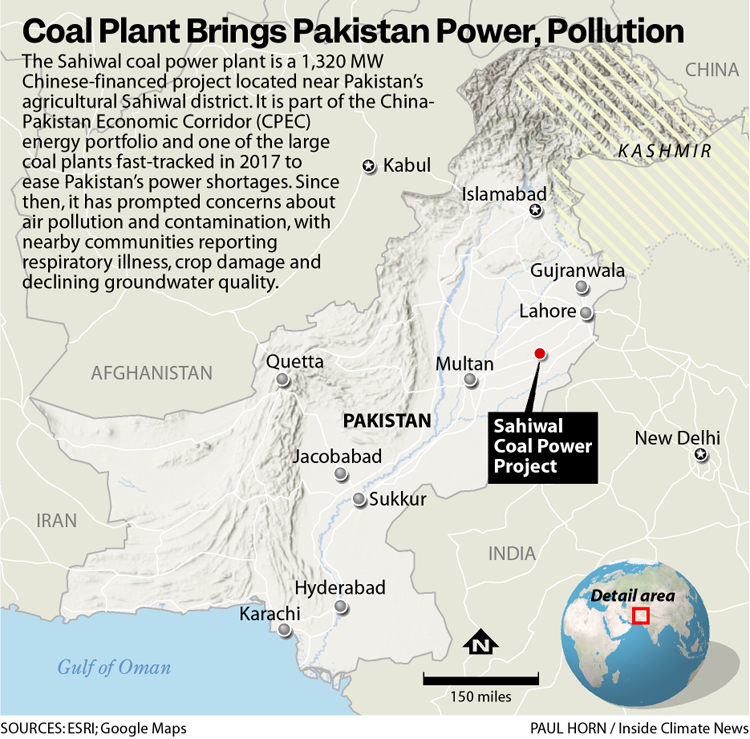
In 2015, amid a global shift away from coal due to its environmental impact, Pakistan struck a deal with China for eight coal plants, aiming to quickly address electricity shortages. The Sahiwal plant was the first to be built.
Now, seven power plants are operational, but Pakistan faces new challenges. The cost of these energy complexes has raised electricity prices, leading to a rise in rooftop solar installations. This shift reduces funds available to address the debt, and communities near the plants suffer from increased pollution.
China’s Belt and Road campaign claims to benefit lower-income countries. However, some projects have adversely affected local communities, according to an Inside Climate News investigation. The Sahiwal deal followed a pattern previously set by Western companies in Pakistan.
Imran and Rafique moved to Qadirabad in 2017, experiencing unexplained respiratory and skin issues. Before deciding to leave, they spent weekends with relatives in Chichawatni to escape pollution.
“We leave every Friday and come back on Monday,” Rafique said. The air in Qadirabad is so polluted that Imran’s asthmatic mother cannot visit.
A local pharmacist noted an increase in complaints like coughs and eye redness since the plant began operating. “It wasn’t like this before the plant,” he said.
How a Coal Plant Landed in the Middle of Farmland
Pakistan’s electricity shortages have persisted for decades. Severe blackouts from 2011 to 2015 prompted the government to seek solutions, with China offering assistance.
The Pakistan Muslim League-Nawaz (PML-N) party, in power at the time, included coal-fired plants in the China–Pakistan Economic Corridor (CPEC) agreement. The Sahiwal plant’s environmental assessment favored coal over slower hydropower or unreliable domestic gas.
Constructed for $1.9 billion by the China Huaneng Group, the plant is one of many Belt and Road projects in the Global South.
Afia Malik, an energy economist in Islamabad, explained that relying on imported coal exposed Pakistan to foreign fuel dependency and price volatility. The government agreed to pay plant operators for 85% of potential electricity, regardless of actual generation, a costly decision.
Pakistan had seen similar contracts in the 1990s, pushed by Western lenders toward privatization, but the terms were less stringent. Both older and newer contracts require payments in dollars, exacerbating Pakistan’s debt as its currency weakens.
The International Monetary Fund reported in January 2024 that Pakistan’s circular energy debt reached 2.6 trillion rupees ($9 billion), affecting government payments to power producers.
Ayesha Ali from the Lahore University of Management Sciences criticized the 2010s missed opportunity to build a balanced energy mix, highlighting overlooked renewable options.
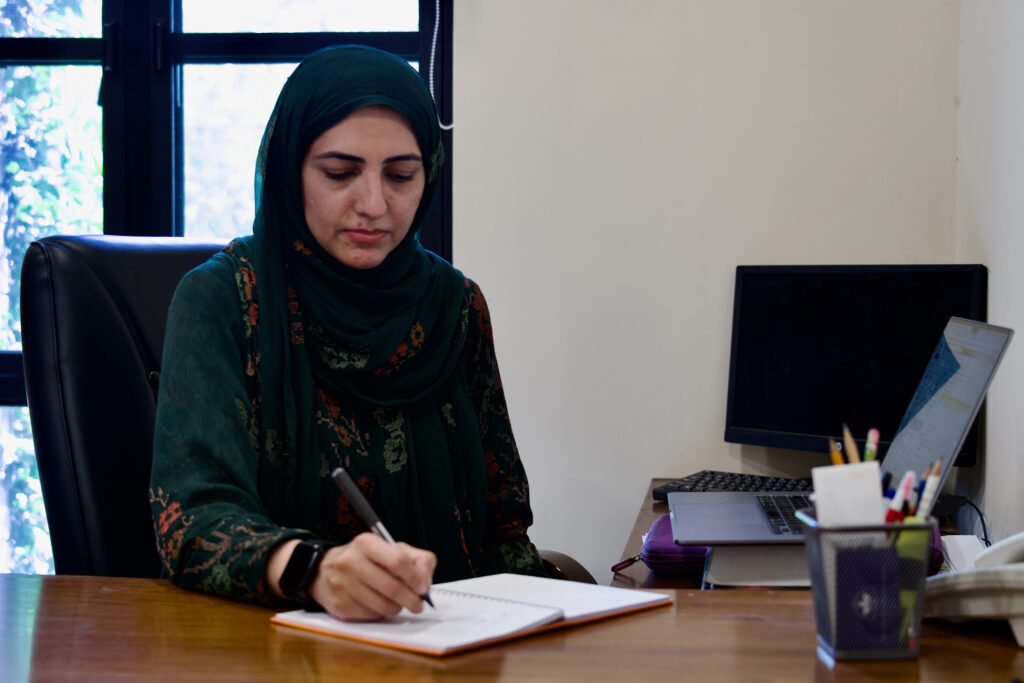
The power ministry claims CPEC coal plants largely resolved capacity-related blackouts, but says high fuel costs and climate-driven breakdowns cause current outages. Pakistan’s shift to rooftop solar exacerbates utility financial problems.
The Clinic in the Shadow of the Smokestacks
The Sahiwal plant’s approval included air quality compliance requirements, but local organizations allege the operator was unresponsive to health and environmental concerns. Compliance data remains unavailable, according to Punjab officials.
At a nearby rural health center, Dr. Samir Baig noted increased skin and respiratory issues since his February 2017 posting. The clinic’s records show rising respiratory and skin-related cases.
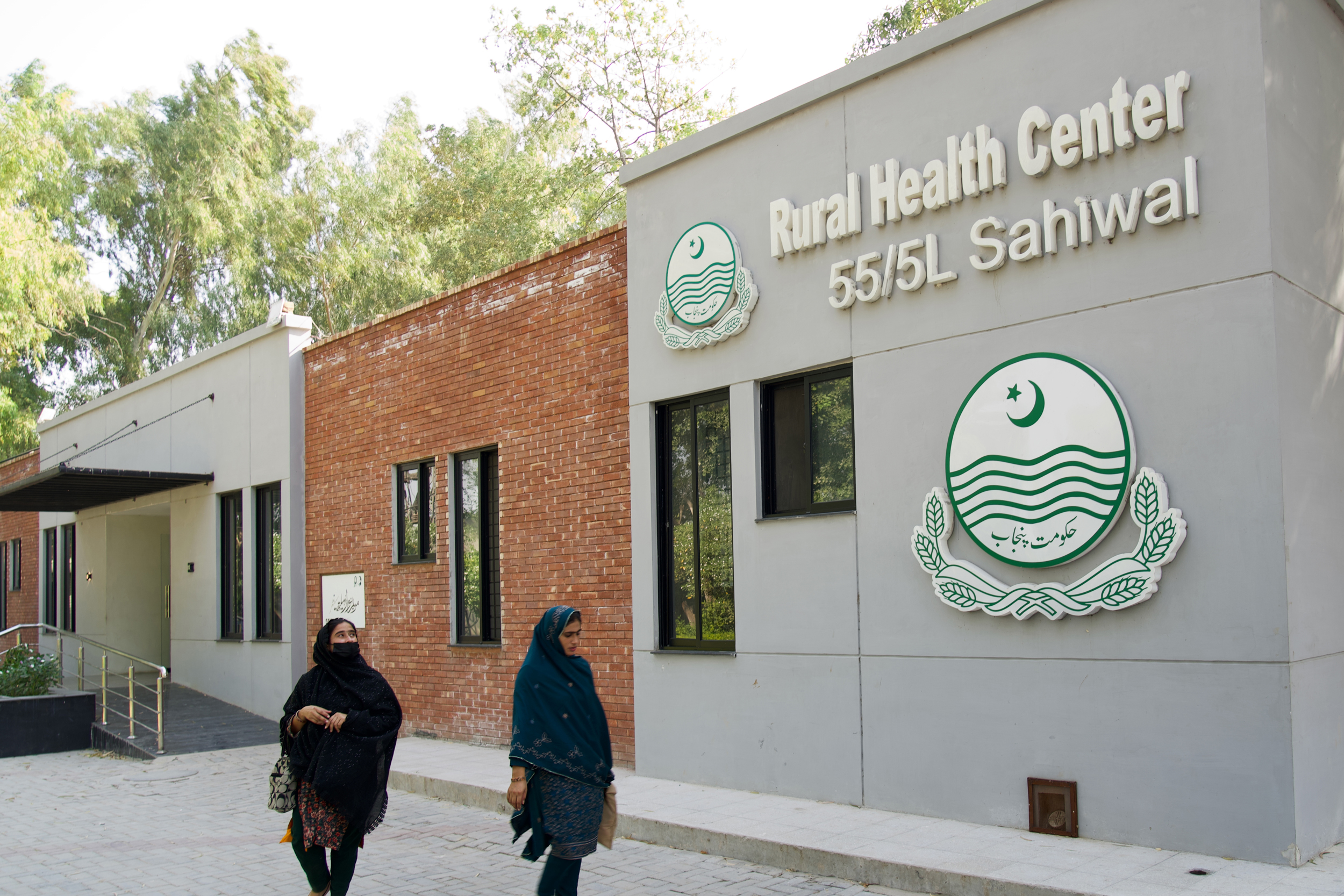
Clinic records from 2018 and 2019 indicate respiratory complaints as the most common. Handwritten notes show acute respiratory infections and chronic chest problems are prevalent.
A 2024 study in PLOS One found elevated heavy metals in soil and crops near the plant. The plant operator and Chinese embassies did not respond to requests for comment.
Shezra Mansab, Pakistan’s climate change minister, acknowledged oversight issues but stressed a commitment to environmental justice.
Locked in a Vicious Circle
A 2020 government inquiry found CPEC power producers profited excessively from lopsided contracts, worsening the circular debt. Officials are negotiating to revise these deals.
Former climate change minister Malik Amin Aslam called the Sahiwal plant a “big liability,” criticizing its location and impact on local agriculture and water sources.
Negotiations to retire or repurpose coal plants are ongoing, but experts warn of difficult talks due to lucrative contracts. The shift to renewables could accelerate if successful.
Planning Minister Shezra Mansab defended coal plants as necessary for stable energy, despite acknowledging planning failures. Efforts to renegotiate terms continue.
Mapping Global China researcher Davide Zoppolato noted China’s role in Pakistan’s energy situation, highlighting its dominance in both fossil and renewable sectors.
University of Virginia’s Muhammad Tayyab Safdar criticized contract terms that guaranteed high profits, saying poor planning led to the plant’s problematic location.
What Was and What Comes Next
Rafique, stationed at a Qadirabad veterinary facility, dealt with difficulties living near the coal plant. Imran, working overseas, sought a healthier environment for their family.
As the family prepared to move to Australia, Imran expressed concern for their community, urging officials to consider cleaner energy alternatives.
Original Story at insideclimatenews.org