An Unprecedented Energy Scenario in the Nordic Region
In a unique twist of the energy market, Nordic countries are experiencing an unexpected phenomenon where wind farms sometimes have to pay customers to take their electricity. This scenario is a result of the Nordic region’s extensive reliance on renewable energy sources, which has turned its energy market into a model for the global transition to green energy.
The Nordic Electricity Market Model
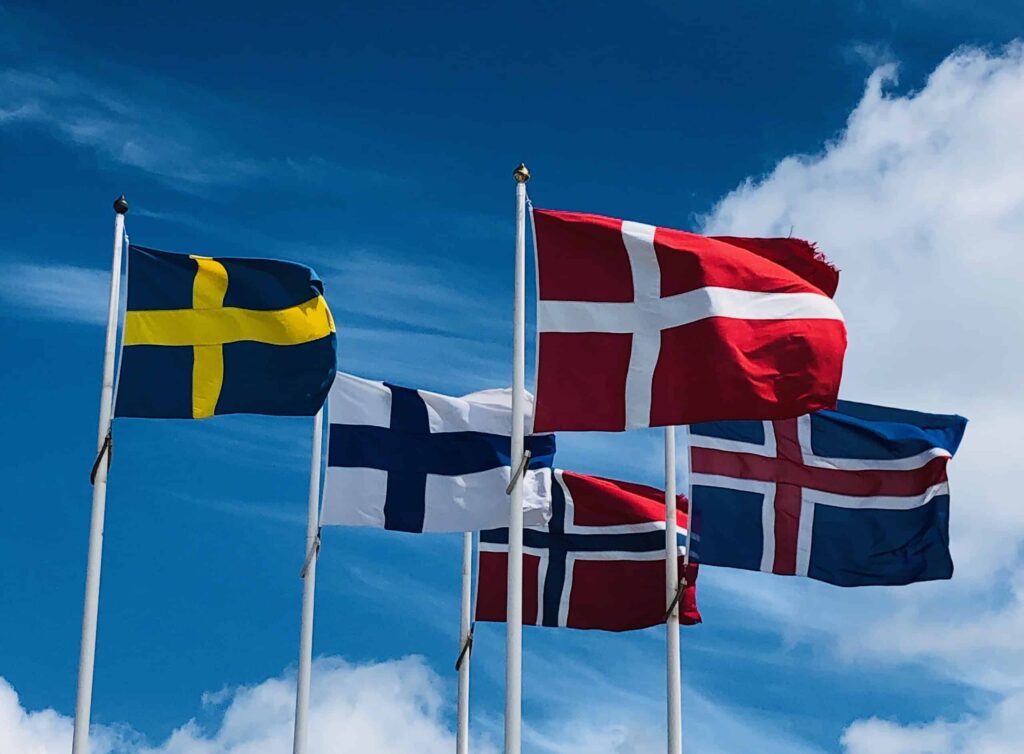
The Nordic countries, including Norway, Sweden, Finland, and Denmark, have established a robust electricity market, leveraging renewable energy and stable infrastructure. Managed through the Nord Pool power exchange, this system is praised for its simplicity and effectiveness, having diluted the power of local energy monopolies. It has consistently managed to keep energy supply stable, even under severe supply and demand shocks.
Historically, the market survived a significant supply crisis in the early 2000s, thanks to efficient market signals. Currently, it faces the opposite issue: an oversupply of electricity due to the proliferation of wind and hydro power, leading to periods where electricity prices drop to zero or below.
Adapting to Energy Abundance
The Nordic region generates more electricity than it consumes, making it a net exporter, primarily from low-carbon sources. For example, Sweden produces 99% of its electricity from these sources, and Denmark generates over half of its electricity from wind.
This surplus leads to volatile electricity prices, particularly when renewable sources like wind produce large amounts of power simultaneously. Consequently, wind producers face financial challenges, as they often have to pay consumers during periods of negative pricing.
Challenges of Renewable Energy Overproduction
This situation, known as value cannibalization, occurs when the supply of electricity outstrips demand, causing prices to plummet. Wind farms might only achieve 55-60% of the average wholesale electricity price annually, while solar farms fare even worse.
In 2023, northern Sweden experienced 679 hours of negative electricity prices, almost a full month where producers paid consumers to use energy. Many projects face financial difficulties, with some wind farms selling electricity at significantly below market prices.
Solutions for Excess Energy
To manage excess electricity production, Finland is leading the way by implementing system flexibility. It has installed electric boilers that convert cheap electricity into heat and promoted dynamic electricity pricing, encouraging consumers to use energy when it is most economical.
This approach highlights a shift in energy management, focusing not just on renewable energy production but also on intelligent grid systems that can handle energy volatility.
Implications for the U.S. and Beyond
The dynamics seen in the Nordic region are also emerging in the U.S., particularly in states like Texas and California. These areas experience negative power prices when renewable energy floods the grid. To mitigate this, California has invested in battery storage to balance supply and demand.
However, the U.S. faces challenges due to its fragmented grid, making it difficult to distribute cheap wind power across the country. Political factors also play a significant role, contrasting with the political consensus on clean energy seen in the Nordic countries.
The Political and Economic Landscape
In Scandinavia, clean energy is a bipartisan issue, viewed as essential for both economic stability and national security. In contrast, the U.S. has seen political actions slowing the transition to renewable energy, such as the Trump administration’s efforts to curb offshore wind development.
Despite political hurdles, the economic benefits of renewable energy—such as low-cost electricity—are undeniable. Analysts suggest that while political actions may slow the transition, they cannot halt it entirely.
The Nordic market demonstrates that free markets can handle both scarcity and abundance, providing valuable insights for other regions navigating the complexities of renewable energy transition.
Original Story at www.zmescience.com