In recent years, the automotive industry anticipated a swift transition to battery-electric vehicles, projecting them as inevitable successors to gasoline engines. However, the journey towards an all-electric future is proving to be more complex than initially anticipated.
Challenges such as inconsistent charging infrastructure, high electric vehicle (EV) prices, and unpredictable consumer demand have led several automakers, including Nissan, to reconsider their timelines for fully electric fleets.
Nissan, a prominent player in the automotive sector, has acknowledged the impracticality of an immediate shift to electric vehicles. This sentiment was echoed by Christian Meunier, chairman of Nissan Americas, in an interview with CarBuzz, where he highlighted the need for a mixed powertrain future.
Nissan Foresees a Diverse Powertrain Landscape
Though Nissan once aimed for aggressive electrification, committing to fully electric models in Europe by 2030, the company now acknowledges a need for versatility. Current insights suggest that a rapid transition to all-electric vehicles may not suit varying global markets in the near term.
Nissan anticipates a blend of technologies, including hybrids, plug-in hybrids, traditional gasoline engines, and fully electric vehicles, tailored to regional demands and infrastructure capabilities.
Factors Slowing Full EV Integration

The automotive industry’s shift away from stringent EV-only strategies is driven by several challenges. High initial costs of EVs remain a deterrent for many consumers, despite their lower operating expenses.
Additionally, charging infrastructure, particularly in urban and underdeveloped regions, poses significant obstacles. Consumers also express a preference for the convenience of gasoline engines that offer quick refueling and long-distance travel.
Nissan’s Pioneering Role in EV Market Insights

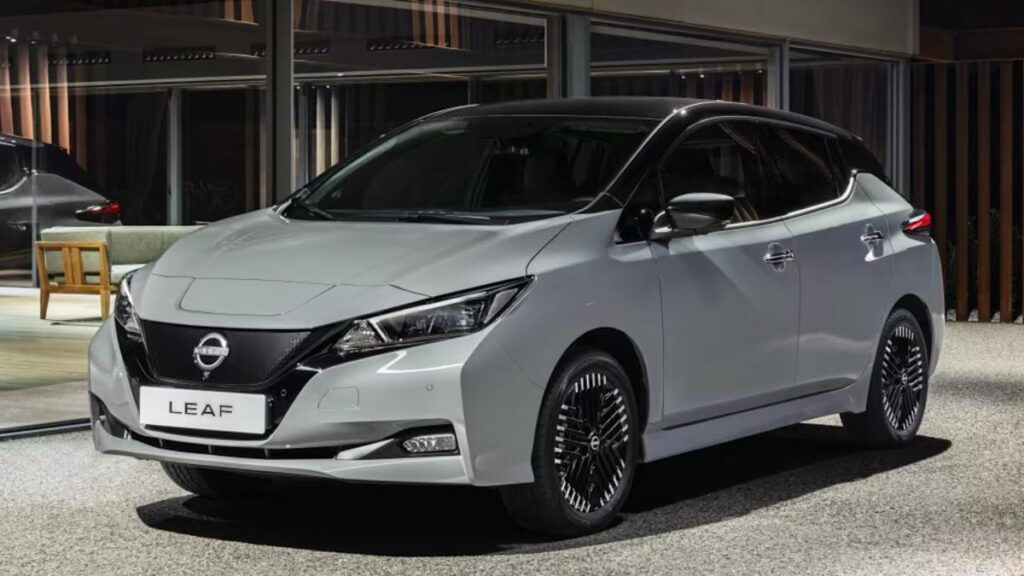
Nissan’s perspective is informed by its early investment in electric vehicles, notably the Leaf, which played a pivotal role in mainstreaming EV conversations. This background grants Nissan unique insights into the potential and limitations of EVs.
Now, Nissan is concentrating on aligning its product offerings with consumer readiness, rather than pursuing headline-driven goals.
The Rise of Hybrids as an Interim Solution

As the full adoption of electric vehicles encounters delays, hybrids may emerge as the more viable short-term solution. These vehicles offer improved fuel efficiency and reduced emissions without necessitating significant changes to consumer habits regarding charging.
Nissan is expanding its e-POWER technology, which utilizes gasoline engines to produce electricity for electric motors, creating an efficient bridge between conventional and electric power.
The Broader Industry Shift

Nissan’s recent statements mirror a wider industry trend towards flexible powertrain strategies, emphasizing consumer choice and gradual transitions over fixed all-electric deadlines.
While the shift to electric vehicles continues, it may unfold over a longer timeline and in a more diversified manner than initially anticipated.
Original Story at autos.yahoo.com