California’s Budget: Balancing Ambition with Responsibility
Governor Gavin Newsom and California’s legislative leaders finalized a budget deal that leverages new taxes and AI revenue projections to delay cuts to social services and reduce future deficits. This $352 billion budget, approved after extensive negotiations, represents a significant financial strategy for the state.
The budget, which is Newsom’s last, aims to maintain a balanced financial outlook for California over the next two years. It also allocates $6.4 billion for future use, softening the impact of potential cuts to social services. Newsom’s administration has highlighted this achievement as evidence that progressive priorities do not necessarily equate to financial irresponsibility.
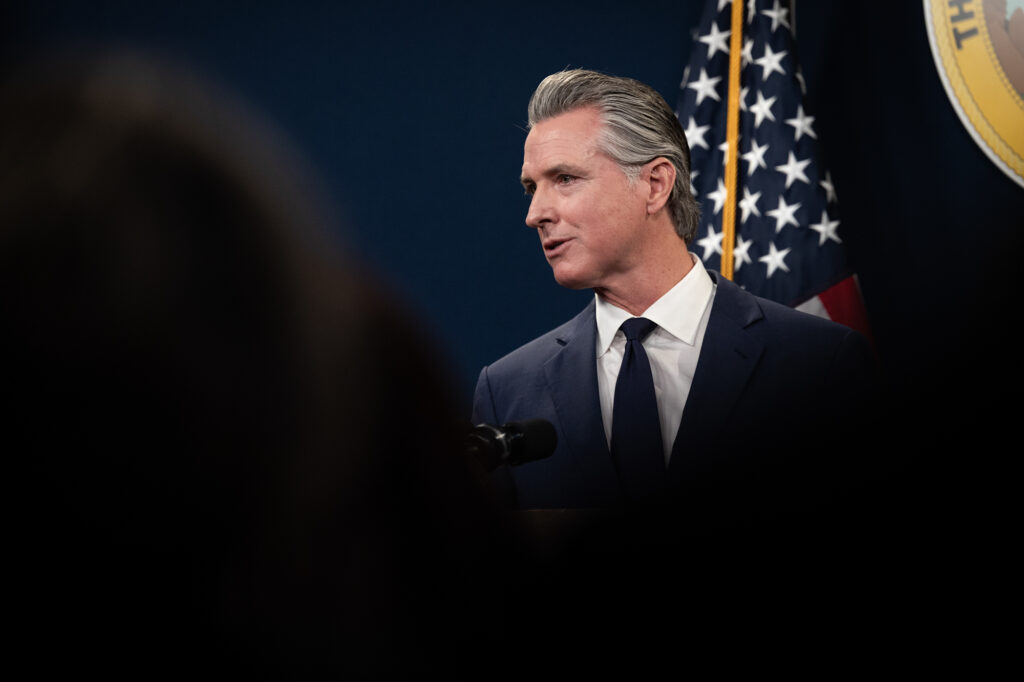
In a video statement, Newsom remarked, “To anyone who’s been told that responsibility and ambition, that they can’t share the same balance sheet, come to California. We can have it all.” This sentiment underscores his efforts to expand state funding on programs like subsidized child care and universal free school meals during his tenure.
However, the budget does leave unresolved long-term funding challenges for future administrations. The state previously faced a severe funding shortfall due to increasing costs of Medi-Cal and potential federal funding cuts. The new budget relies on increased tax revenues, partially driven by the growth of artificial intelligence sectors, to bridge this gap.
New tax measures approved by the Legislature include a sales tax on computer software, limits on business tax credits, and higher taxes on healthcare providers. These actions, coupled with delayed cuts to healthcare and education funding, aim to stabilize the state’s finances.
Healthcare and Social Services
The budget agreement focuses on delaying major cuts to Medi-Cal and increases funding for in-home care and homelessness initiatives. It also introduces $300 million to reduce healthcare costs for lower-income residents and provides substantial grants to public hospitals.
Despite these efforts, Senator María Elena Durazo expressed concerns, stating, “This is a budget that bought time. Medi-Cal delayed, not resolved, not restored.” She criticized the budget for not adequately addressing the issues faced by low-wage workers on Medi-Cal.
The budget also postpones decisions on increasing premiums for undocumented adults and limits coverage for certain immigrant groups to essential services starting in 2027.
Education and Environmental Initiatives
The budget maintains increased funding for special education and cost-of-living adjustments for school employees. However, it withholds $3.9 billion from K-12 schools as a precautionary measure against overly optimistic revenue forecasts. This decision has faced criticism from education advocates.
Additionally, the budget supports electric vehicle incentives and allocates funds from the greenhouse gas reduction fund to support climate programs and firefighting resources.
While negotiations on the full spending plan for the Greenhouse Gas Reduction Fund continue, an agreement was reached to use part of the fund for electric vehicle incentives and the state’s fire department budget.
Conclusion
The budget reflects a complex balancing act between immediate policy objectives and long-term fiscal responsibility. As Newsom prepares to leave office, the implications of this budget deal will continue to unfold in the years to come.
Original Story at calmatters.org