This story is made possible through a partnership between Grist and The Flatwater Free Press, Nebraska’s first independent, nonprofit newsroom focused on investigations and feature stories.
In what was an unexpected turn for energy discussions in Gage County, the excitement was palpable as residents celebrated new wind energy regulations approved by the county board. This shift in energy policy marks a significant victory for local residents who have opposed wind energy development for years.
Larry Allder, a key figure in the opposition to wind power, expressed his satisfaction after the county’s decision. “It’s been a long road,” Allder stated in an interview with The Voice News.
However, as discussions about energy evolution continue, another potential energy source is making its way into local conversations—nuclear power. The Nebraska Public Power District (NPPD) recently identified four potential sites for a nuclear plant, including Gage County. Interestingly, Allder, who once opposed wind energy, supports the idea of nuclear power, saying, “I think that’s a great idea. I like nuclear energy.”
Nuclear power’s reputation as a clean and efficient energy source is gaining traction among Nebraskans, contrasting with the skepticism surrounding wind and solar projects. Allder criticized these renewable sources as “very inefficient and very costly and very intermittent,” whereas nuclear energy is perceived as “clean and it doesn’t take up much land space.”
Community leaders from Beatrice, Sutherland, Norfolk, and Brownville, the areas shortlisted for the nuclear project, largely favor the development. “I think the general consensus is still that we’re supportive of nuclear energy,” said Madison County Commissioner Troy Uhlir. Meanwhile, in Sutherland, safety concerns have been raised, but local leaders believe education can address these worries.
“What I find pleasing and reinforcing is that there is a lot of support out there,” NPPD CEO Tom Kent noted to Grist. He emphasized the state’s historical support for nuclear power and the communities’ interest in hosting new projects.
Nationally, nuclear power is gaining bipartisan support among lawmakers and the public. It presents a viable solution for increasing electricity demands without contributing to greenhouse gas emissions. Technological advancements in nuclear power, including small modular reactors (SMRs), are touted as remedies to the high costs and safety issues of traditional nuclear plants.
Despite the enthusiasm, Nebraska is likely a decade away from a new nuclear plant. NPPD has received over $27 million in cost-shared funding from the Department of Energy to apply for a federal permit for a new nuclear facility. Designs under consideration include both small reactors and large-scale options like those at Plant Vogtle in Georgia, which faced significant delays and budget overruns.
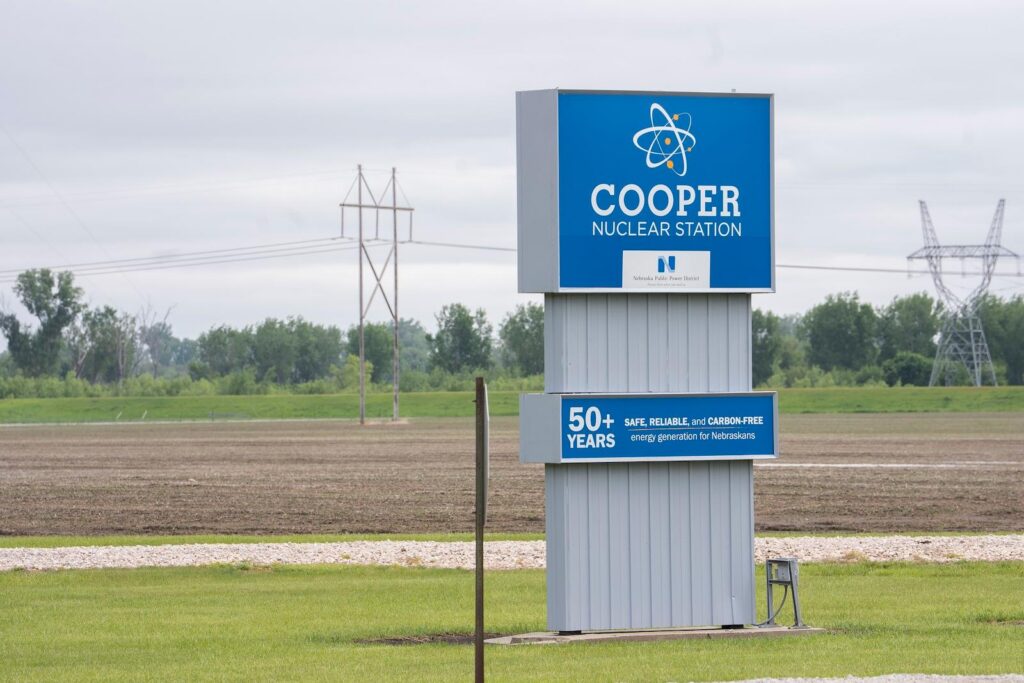
Historical nuclear projects, such as the Cooper Nuclear Station and the now-retired Fort Calhoun Nuclear Station, highlight the financial risks involved. Still, some projects, like those in South Texas, have resulted in lower power rates for consumers over time. The potential for advanced reactors to minimize issues seen in past projects remains uncertain, as noted by former Nuclear Regulatory Commission executive Joseph Giitter, who stated, “The promise of the technology is there, but it hasn’t been proven yet.”
Original Story at grist.org