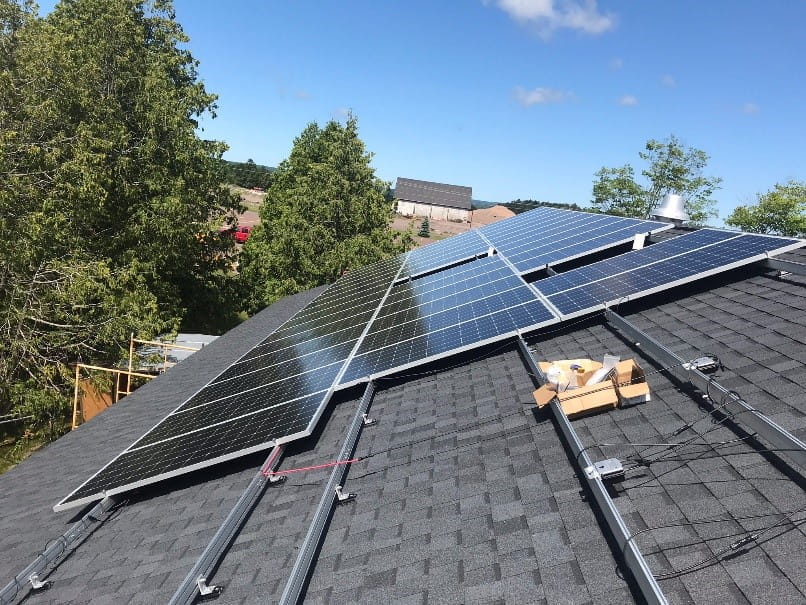
In the evolving landscape of clean energy, businesses and tax-exempt entities in Michigan have a prime opportunity to capitalize on federal tax credits and incentives aimed at bolstering energy efficiency. These financial benefits, however, are on a ticking clock, with some set to phase out by mid-2026, emphasizing the urgency of action.
With deadlines looming as early as June 30, 2026, every dollar saved through these credits can significantly impact financial outcomes, underscoring the importance of early utilization.
Federal clean energy tax credits, along with the elective pay mechanism designed for tax-exempt organizations, are pivotal in reducing costs associated with adopting clean energy technologies. These credits can cover 30% or more of expenses related to solar panels, geothermal HVAC systems, and battery storage solutions.
These incentives not only aid businesses in Michigan by supporting clean energy production and component manufacturing but also facilitate energy efficiency improvements. Such advancements enable organizations to reduce utility expenses and achieve long-term savings.
The broader impact of these incentives extends beyond immediate financial savings. They contribute significantly to the goals outlined in the MI Healthy Climate Plan, support local employment, and ensure stable energy supplies amidst rising electricity demand.
Business owners and tax-exempt organizations, including municipalities, schools, nonprofits, and places of worship, are advised to explore these advantageous programs before their expiration dates.
Below is a compilation of commercial credits that are currently available. Credits eligible for claim by tax-exempt entities through elective pay are noted with an asterisk (*).
Commercial Clean Energy Tax Credit Timelines
| Tax credit | Description | Eligibility timeline |
|---|---|---|
| Commercial Clean Vehicle Credit (45W)* | Available to businesses and tax-exempt organizations purchasing electric, hybrid, or fuel cell vehicles. | Vehicles must be acquired before Sept. 30, 2025, with the credit claimed in the tax year the vehicle is placed in service. |
| Alternative Fuel Vehicle Refueling Property Credit (Section 30C )* | Applicable to entities installing qualified refueling or recharging equipment, including EV charging stations, at eligible sites. | Property must be in service by June 30, 2026. |
| Clean Electricity Investment Tax Credit (Section 48E)* | For businesses and tax-exempt entities installing clean electricity projects and energy storage technologies, with credits based on investment costs. | Wind and solar projects must start by July 4, 2026, and be service-ready by Dec. 31, 2027. Other zero-emission technologies have until 2033. |
| Clean Electricity Production Tax Credit (Section 45Y)* | Targets clean electricity projects and energy storage, with credits linked to electricity produced and sold to the grid. | Eligibility mirrors that of the Investment Tax Credit, with additional PFE restrictions applicable. |
| Advanced Manufacturing Production Credit (Section 45X )* | Available to U.S. manufacturers producing clean energy components with credits based on component types and quantities sold. | Wind components must be produced and sold by Dec. 31, 2027, with a gradual phase-out starting in 2030 for other technologies. |
| Credit for Production of Clean Hydrogen (Section 45V) * | Credits based on emissions intensity for clean hydrogen produced at qualified facilities, with additional wage and apprenticeship stipulations. | Construction must commence by Dec. 31, 2027. |
| Clean Fuel Production Credit (Section 45Z )* | Applies to entities producing clean transportation fuels, with credits based on production volumes and emissions factors. |
Fuel must be sold by Dec. 31, 2029, with enhanced SAF rates ending after Dec. 31, 2025.
|
| Energy Efficient Commercial Buildings Tax Deduction (179D) | Applies to businesses installing energy-efficient properties in commercial buildings. | Eligibility extends to properties constructed before June 30, 2026. |
It is important to note that certain tax credits will be subject to PFE guidelines starting January 1, 2026.
Original Story at www.michigan.gov