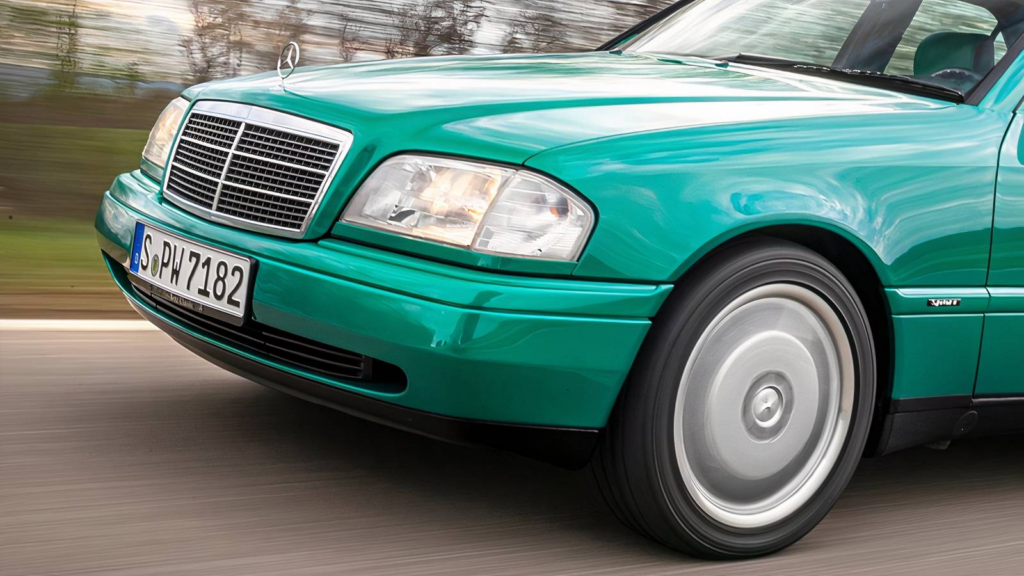
Mercedes-Benz, a name synonymous with luxury, has long been a pillar in the high-end automobile industry, sharing the limelight with fellow German brands BMW and Audi. Known for its revolutionary advancements like anti-lock brakes and crumple zones, Mercedes-Benz is also a formidable force in competitive racing, particularly in Formula 1. However, the iconic brand finds itself navigating turbulent waters as recent strategic decisions have led to unexpected challenges.
The Rise and Stumble of Electric Ambitions
Five years ago, Mercedes-Benz embarked on an ambitious journey towards electrification, aiming to transition entirely to electric vehicles (EVs) by 2030. This bold move mirrored a broader industry trend at the time. Yet, as consumer preferences evolved, many automakers reconsidered their strategies, including Mercedes-Benz, which faced mounting difficulties with its electric lineup.
By February 2024, Mercedes-Benz had to recalibrate its electric aspirations due to lackluster sales and growing resistance to electric cars. Models such as the EQS, EQB, and EQE have not met sales expectations, prompting the company to rethink its EV strategy.
Pricing and Brand Identity Challenges
Mercedes-Benz
A significant issue Mercedes-Benz faced was the segmentation of its EVs under the “EQ” sub-brand, which inadvertently diluted its core brand image. The EQ models, positioned as premium offerings, struggled against competitors like BMW, which offered a broader range of EVs at varying price points.
For instance, the 2023 Mercedes-Benz EQS 450+ started at approximately $104,400, a price point comparable to BMW’s i7 xDrive60. However, the real disparity was in the lower market segments, where Mercedes-Benz’s entry-level EVs priced higher than BMW’s alternatives.
Financial Impact and Strategic Adjustments
In response to these challenges, Mercedes-Benz announced a strategic shift in 2025, deciding to phase out the EQ branding in future models. Despite these efforts, the financial repercussions have been significant. In 2025, the brand reported a 57% decrease in operating profit, largely attributed to its EV missteps and declining sales in key markets like China.
|
2025 Statistics
|
||
|---|---|---|
|
Mercedes-Benz
|
BMW
|
|
|
Overall Sales
|
1,800,800 units / -9.0% YOY
|
2,169,761 units / -1.4% YOY
|
|
EV Sales
|
197,300 units (incl smart & Vans) / -4.0% YOY
|
442,072 units / +3.6% YOY
|
|
Operating Profit
|
$6.9 bn / -57.2% YOY
|
$11.52 bn / -11.3% YOY
|
|
Revenue
|
$156.78 bn / -9.2% YOY
|
$157.23 bn / -6.3% YOY
|
|
YOY: Year on Year
|
||
Cost-Cutting Measures and Future Prospects
Mercedes-Benz implemented a comprehensive cost-cutting program, dubbed “Next Level Performance,” aiming to save billions by 2027. This involves outsourcing and workforce reductions, particularly impacting departments like HR and finance.
Implications for Buyers
As Mercedes-Benz navigates its strategic overhaul, consumers may find value in pre-2025 models, which are expected to retain higher quality standards than some of the newer models affected by cost-cutting measures. This situation presents an opportunity for used luxury car buyers to acquire high-end Mercedes-Benz vehicles at reduced prices.
Original Story at carbuzz.com