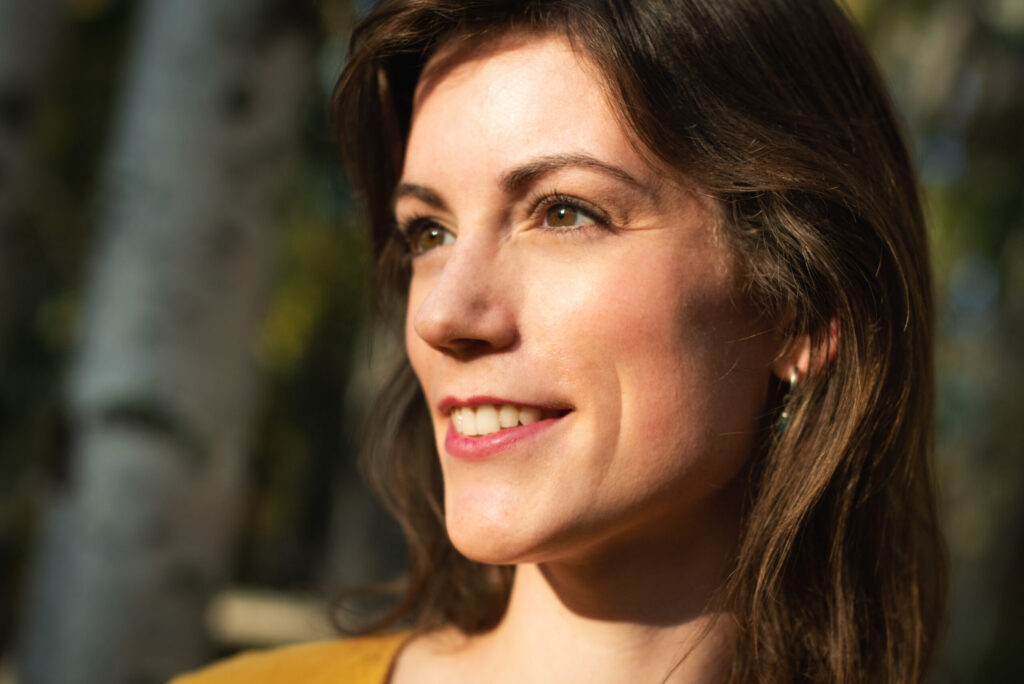
In a world increasingly shaped by climate change and environmental challenges, the role of journalists who can translate complex scientific data into relatable stories has never been more crucial. Lois Parshley, an independent journalist, excels in this field, making significant contributions to public understanding through her engaging reporting.
Recognizing Excellence in Science Journalism
Lois Parshley was honored with the 2026 AMS Award for Distinguished Science Journalism in the Atmospheric and Related Sciences. This prestigious award acknowledges her ability to make atmospheric sciences accessible and relevant to the public across various media platforms. Her work highlights the significant impact of science on everyday life, particularly for vulnerable populations.
Award-Winning Journalism
“I was deeply honored and genuinely surprised,” Parshley expressed upon receiving the award, emphasizing the importance of explaining how science affects people’s daily lives. Her journalism focuses on the intersection of science and human experiences, aiming to hold leaders accountable and spotlight communities often overlooked in mainstream coverage.
Bringing Underrepresented Voices to the Forefront
Parshley is committed to amplifying the voices of communities that face the brunt of climate change yet receive minimal attention. “Climate change is affecting everyone,” she notes, pointing out that these communities often serve as early indicators of environmental shifts, providing valuable insights for scientific inquiry.
Balancing Technical Accuracy with Storytelling
Creating compelling narratives from complex scientific topics requires a delicate balance. Parshley begins by identifying what readers need to understand about a particular piece of research, ensuring that technical details are conveyed without oversimplification.
Insights from Global Reporting
Having reported on climate impacts worldwide, Parshley reflects on how these experiences have deepened her understanding of climate change. She remarks that while some still view climate change as a future concern, many regions are already grappling with its immediate effects.
Building Trust in Reporting
Trust is fundamental in Parshley’s work with scientists and communities. “Trust starts with listening,” she says, emphasizing the importance of respecting both scientific knowledge and the lived experiences of those affected by environmental changes.
Engaging Audiences with Climate Reporting
Parshley strives to provide readers with honest assessments of climate challenges while offering context about available choices and decision-makers’ roles. She believes this approach helps maintain engagement without overwhelming audiences.
The Role of Science Journalists
In an era where misinformation can spread rapidly, Parshley underscores the importance of accurate science journalism. She notes that public understanding extends beyond facts to encompass an awareness of how scientific knowledge is acquired.
Advice for Aspiring Science Journalists
Parshley advises early-career journalists to start by reporting locally, uncovering environmental stories that may not attract national attention but hold significant importance.
The Importance of Science Journalism
Parshley emphasizes the interconnectedness of scientists and journalists, both playing crucial roles in shaping societal questions and ensuring information reaches those who need it. “Science journalism matters because the questions we ask as a society depend on the information we have available,” she concludes.
Original Story at headlines.ametsoc.org