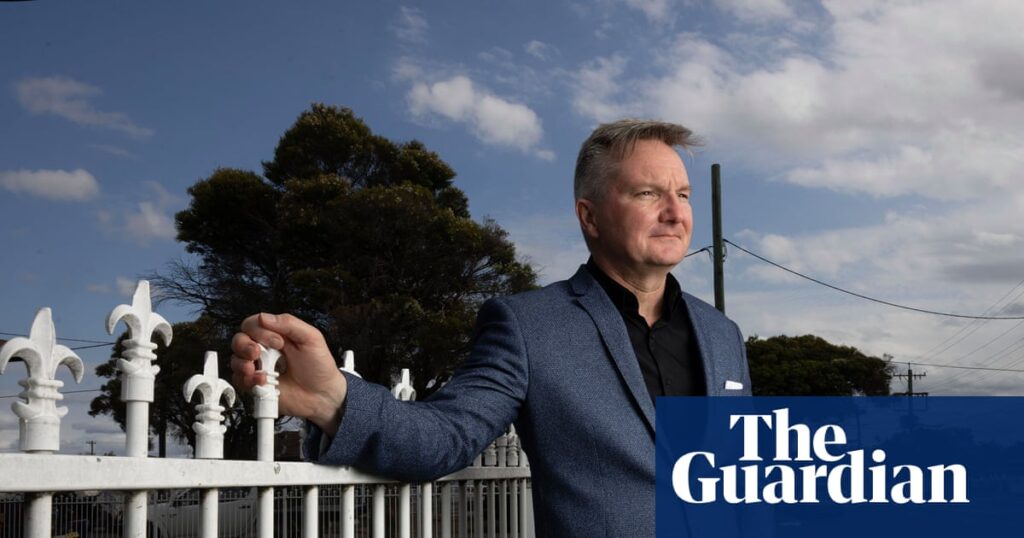
The ongoing conflict in Iran is prompting numerous countries to seek greater energy independence and reliability, potentially paving the way for advancements in clean energy initiatives at the upcoming UN climate summit, according to Chris Bowen, Australia’s climate change minister.
Bowen, who is set to preside over the Cop31 conference in Turkey this November, views the disruption caused by the Iran war as indicative of a broader global fossil fuel crisis. This situation mirrors the energy market upheaval experienced four years ago due to Russia’s invasion of Ukraine, with significant impacts being felt across Asia.
In private discussions, Asian leaders have underscored the necessity to secure immediate energy needs while also advancing towards renewable energy sources to decrease reliance on imported oil. Bowen remarked, “No one has said this crisis is a reminder that we need to be more reliant on fossil fuels.”
Bowen believes this year presents an opportunity to focus on energy reliability and sovereignty, potentially opening doors for progress at Cop31. His views are echoed by Fatih Birol, head of the International Energy Agency, who also sees the war as a catalyst for countries to move away from oil and permanently alter the fossil fuel landscape.
These insights were shared as nations convened for two separate meetings aimed at reviving collective action against climate change: the annual Petersberg climate dialogue in Germany and an inaugural global conference on transitioning from fossil fuels in Santa Marta, Colombia.
The event in Santa Marta, co-hosted by Colombia and the Netherlands, emerged from frustration with nations like Saudi Arabia and Russia for resisting clear statements on phasing out fossil fuels at the Cop30 summit in Brazil. Australia, a major exporter of coal and gas, has supported Colombia’s declaration for a transition away from fossil fuels and is represented at the conference along with other fossil fuel producers like Canada, Nigeria, Mexico, and Turkey.
Absent from the conference are some of the largest emitters, including China, the US, India, and Russia. Under Donald Trump’s administration, the US also withdrew from UN climate summits. Despite these challenges, Bowen remains optimistic about reaching consensus in climate talks, emphasizing the importance of sustaining negotiations and achieving meaningful progress.
“You can keep the process alive and hope for a big step forward,” Bowen said, noting that each summit is an opportunity to make incremental progress. The involvement of over 50 countries at the Santa Marta conference is viewed as a sensible approach to accelerate climate goals.
Cop31, which will be uniquely co-hosted by Turkey and Australia, faces the challenge of differing national priorities. While Turkey will oversee the event in Antalya, Australia will lead the formal negotiations. Any disagreements between the two host nations are to be resolved through consensus, with Pacific countries hosting a pre-Cop meeting in Fiji and Tuvalu.
A draft action agenda from Turkey, criticized for omitting fossil fuels, focuses on waste management, a priority of Turkish First Lady Emine Erdoğan. However, Turkish climate minister Murat Kurum has acknowledged the volatility of reliance on fossil fuels, linking it to climate instability.
Bowen’s immediate plans as president of negotiations have been affected by his duties regarding Australia’s liquid fuel supply, leading him to address the Petersberg dialogue via video. His agenda includes tripling renewable energy and doubling energy efficiency by 2030, alongside advocating for financial access for developing countries and maintaining the 1.5C temperature goal.
In collaboration with Murat Kurum, Bowen aims to foster an innovative hosting model, leveraging the diverse influences of middle powers to build broad international consensus. “I’m very upbeat about the relationship. I think it’s in very good working order, and potentially can lead to the sort of breakthrough Cop that we need,” he remarked.
Original Story at www.theguardian.com