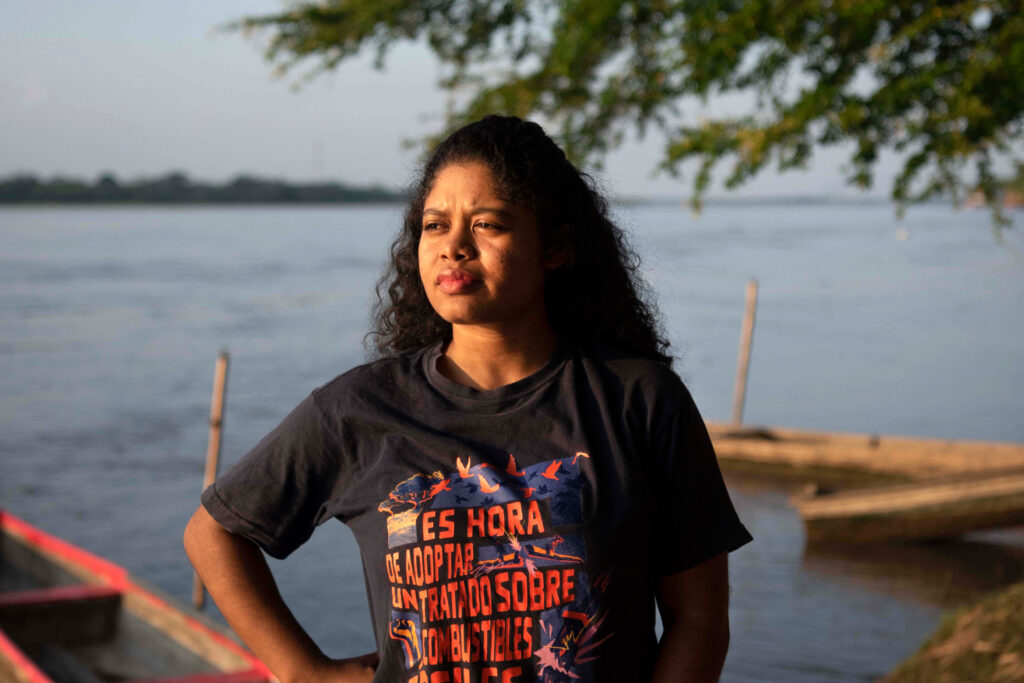
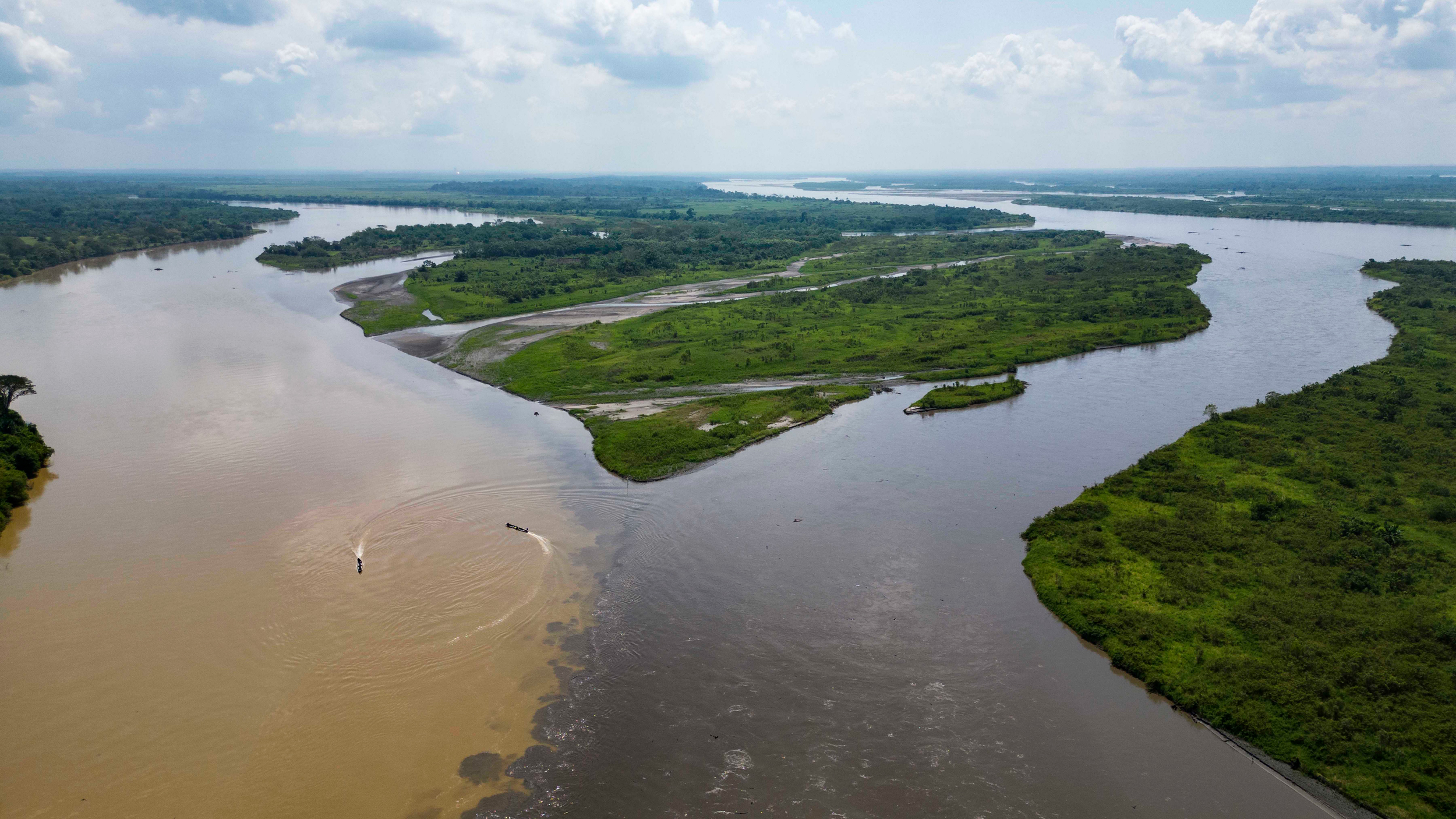
Growing up beside Colombia’s Magdalena River, Yuvelis Morales Blanco learned to interpret the river’s conditions. “Dark spots on the river meant that we were not going to eat,” she recalled. These slicks, resulting from oil spills in Colombia’s fossil fuel industry, devastated her Afro-Colombian fishing community in Puerto Wilches in 2018, killing thousands of animals and displacing residents. At 16, Morales Blanco emerged as a staunch environmental defender.
Now 24, Morales Blanco has received the Goldman Environmental Prize for her efforts to halt hydraulic fracturing, or fracking, in Colombia. Her work aligns with the rights of nature movement, advocating for ecosystems like the Magdalena River to be seen as living systems with rights, rather than resources to exploit.
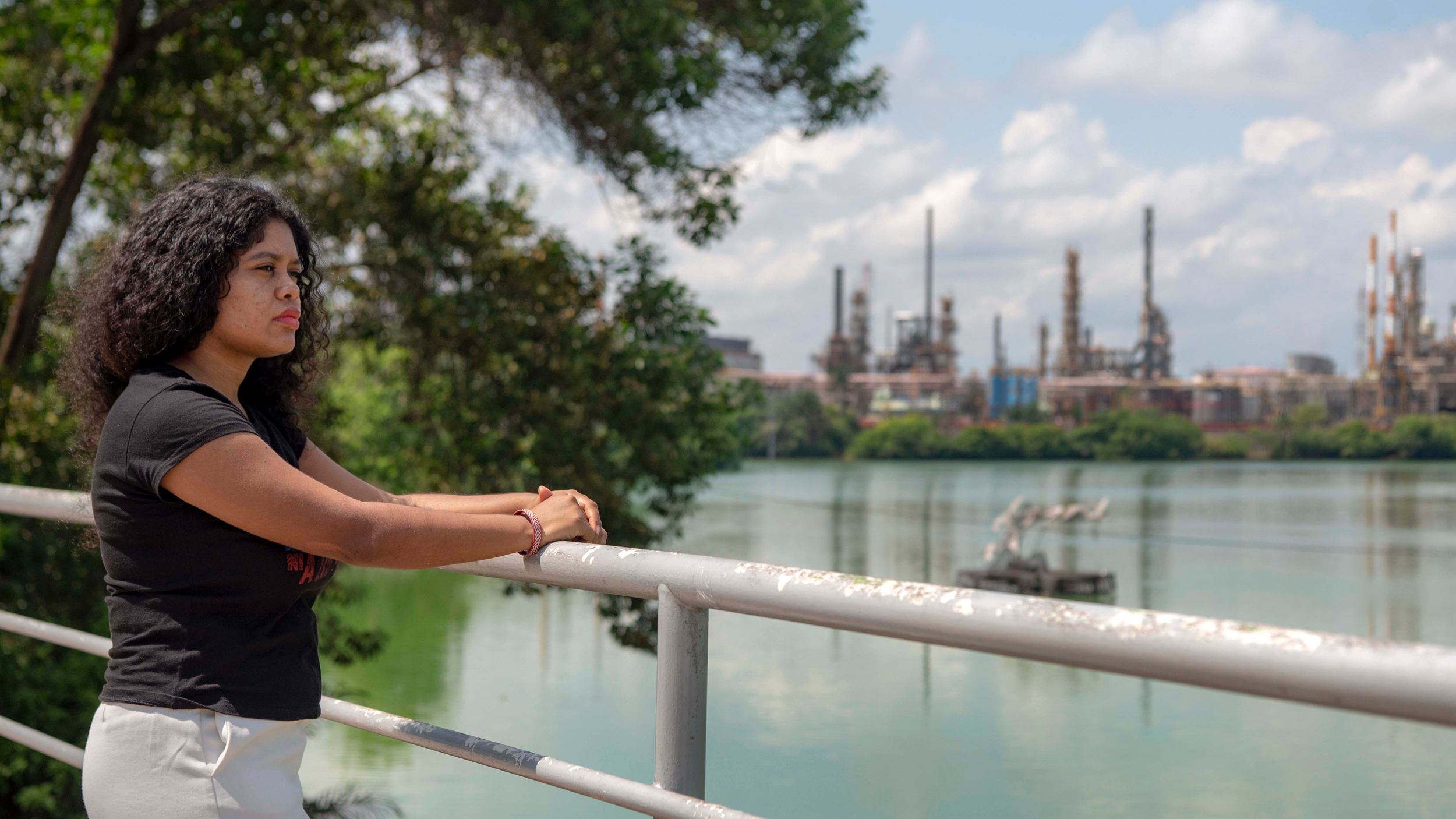
Focused on protecting Puerto Wilches, Morales Blanco opposed fracking pilot projects proposed in 2019. Fracking, which uses water, sand, and chemicals to extract fossil fuels, has been associated with groundwater contamination, aquifer depletion, seismic activity, and severe human health impacts, including cancer and birth defects.
Morales Blanco co-founded Aguawil, an anti-fracking organization, in 2019, mobilizing protests and educating locals on fracking’s risks. Despite promises of prosperity, Morales Blanco highlighted the lack of basic services in Puerto Wilches due to decades of drilling.
Facing backlash, Morales Blanco received death threats and had to flee to France temporarily. Colombia, one of the most dangerous countries for environmental defenders, saw a third of global killings in 2022. A Colombian court later suspended fracking projects, and President Gustavo Petro imposed a nationwide fracking moratorium. However, upcoming elections could challenge this ban.
Morales Blanco is among the first all-women cohort of Goldman Prize winners, highlighting women’s pivotal role in environmental advocacy. Women often bear the brunt of environmental harm yet lead the fight against it. Morales Blanco discussed her work in the rights of nature movement with Inside Climate News. The conversation has been translated and edited for clarity.
She described the Magdalena River as “like a mother,” emphasizing its integral role in the community’s identity and the fight against fossil fuel industry impacts. Morales Blanco sees nature as life itself, advocating for its rights over industrial exploitation.
“I’m the daughter of the river, and I look at nature not as a resource, but as life itself.”
Morales Blanco highlighted that communities worldwide are rejecting industrial narratives that treat nature solely as a resource. Her anti-fracking efforts are intertwined with promoting nature’s rights, emphasizing that communities defend nature for its intrinsic value and their identity.
Morales Blanco attributed the success of her campaigns to network building and educational movements, emphasizing community solidarity against environmental threats. Despite displacement and threats, she remains committed to environmental justice.
As Colombia approaches elections, concerns rise about the potential return of fracking. Morales Blanco remains resolute, advocating for life and nature’s rights regardless of political changes.
At a recent conference in Santa Marta, Morales Blanco encouraged communities to envision a future beyond fossil fuels, highlighting the importance of collective action and imagination in realizing sustainable futures.
Morales Blanco emphasized the vital role of women in environmental defense, particularly in regions facing compounded injustices. She stressed the strength and solidarity women bring to these struggles, offering courage and refuge in challenging times.
Original Story at insideclimatenews.org