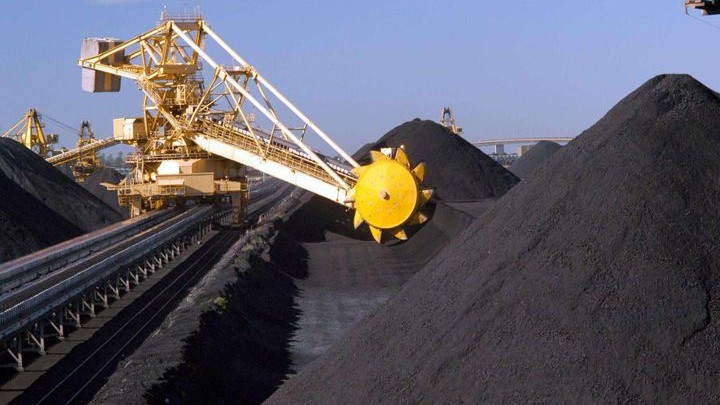
The global energy landscape is witnessing a dramatic shift as nations reconsider their commitments to coal phaseouts amidst rising energy crises. Despite earlier pledges to reduce reliance on coal, recent geopolitical tensions and economic pressures have led to a renewed dependence on this carbon-intensive energy source.
In 2021, over 40 countries made a significant commitment at the COP26 UN Climate Summit to phase out unabated coal power by 2030-2040 (source). Following this, the Group of Seven (G7) nations, including the United States, UK, and Japan, vowed to cease coal power generation by 2035, marking a major step from the world’s leading economies (source). However, the recent energy crisis, exacerbated by the war in Iran, has shifted priorities back to coal as a reliable and cost-effective energy source (source).
Countries are scrambling to adjust their energy policies in light of supply shortages and soaring natural gas prices. For instance, India, heavily reliant on LNG through the Strait of Hormuz, has turned to domestic coal due to high gas prices. Amid a severe heatwave, India’s coal-fired plants are running at full capacity to meet record power demands, with peak demand reaching 257 GW (source).
South Korea has significantly increased its coal-based electricity production by over a third, reducing its dependence on LNG. This shift has resulted in a substantial rise in coal imports, notably a 95% increase from Russia in the first quarter of the year (source). The government has also lifted caps on coal plant capacities and increased nuclear reactor utilization to mitigate supply risks.
Europe, known for its clean energy initiatives, is also turning back to coal. In Germany, Chancellor Friedrich Merz announced a potential delay in coal plant closures to safeguard the industry from impractical decommissioning deadlines (source). The country’s plan to substitute coal with hydrogen-ready gas power plants is behind schedule, forcing reliance on coal to stabilize energy supplies. This highlights the tension between Germany’s climate goals and energy security needs (source).
Italy has similarly decided to postpone its coal phaseout deadline from 2025 to 2038, attributing the decision to geopolitical tensions and oil supply issues in the Middle East. Consequently, the lifetime of its last coal plants has been extended, with the government viewing them as essential backup options if fossil fuel prices remain high (source).
Despite coal’s resurgence, its role as a primary energy source is unlikely to derail the transition to cleaner energy, largely due to the decreasing costs of renewable technologies. The Levelized Cost of Energy (LCOE) for renewables such as solar and wind is now significantly lower than that for coal, marking a shift towards more sustainable energy solutions (source).
Original Story at oilprice.com