Ensuring reliable and affordable electricity during severe weather events presents a significant challenge for the United States. Recent winter storms have underscored the urgency of addressing this issue and enhancing the resilience of the power grid.
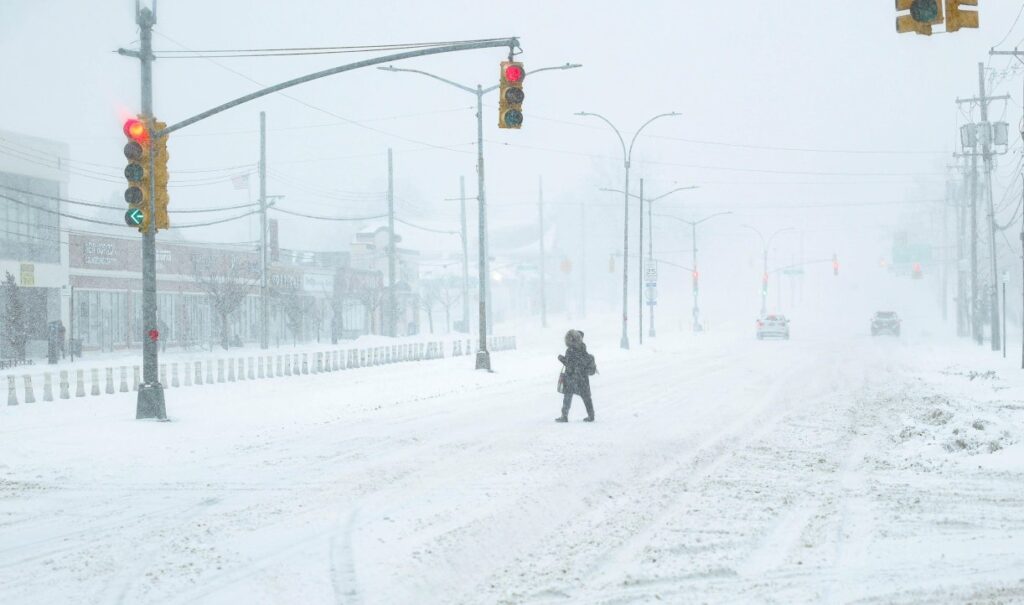
Last weekend, a fierce winter storm stretched from Texas to Maine, unleashing heavy snow, freezing rain, and subzero temperatures. This caused power outages for over a million customers, with Tennessee, Mississippi, and Louisiana being particularly affected. Many residents remain without power.
Utilities and grid operators took preventive measures, such as deploying additional line crews and preparing backup systems, which mitigated the impact of Winter Storm Fern. However, the broader challenge lies in ensuring long-term reliability and affordability of power systems during extreme weather conditions.
Kelly Lefler, an energy expert at WRI, highlights the need for strengthening the electricity system’s resilience to guarantee consistent and affordable power amid increasingly erratic weather patterns.
Factors Behind Power Outages During Winter Storm Fern
Official reports on the storm’s impact are pending, but preliminary assessments suggest that icy conditions primarily disrupted distribution and transmission systems. The accumulation of ice on trees and power lines led to line failures. Additionally, some power plants in the Eastern U.S. faced reduced capacity or shutdowns due to extreme cold and limited natural gas supplies. The region’s reliance on natural gas pipelines, which are often constrained during cold spells, resulted in approximately 21 gigawatts of generation outages. Despite these challenges, rolling blackouts were not necessary to prevent larger system failures.
Vulnerabilities of the U.S. Electricity System in Extreme Cold
Winter storms pose predictable stress on the electricity system, from generation to distribution, which can lead to supply-demand imbalances or unsafe grid conditions. Grid operators might need to reduce demand to avoid widespread outages. Common failure points include difficulties in fuel supply to power plants and homes, particularly natural gas, which is the largest source of electricity in the U.S., providing 43% of electricity as of 2024. Extreme weather can strain supply systems, impacting gas-powered generators’ access to fuel.
Inadequate winterization of equipment across the electricity system, including power plants and pipelines, can lead to freezing or malfunctions. Multiple simultaneous equipment failures may necessitate widespread outages to maintain safety. Winter conditions also complicate repair efforts.
Transmission and distribution lines are susceptible to winter storms. Ice and heavy snow can damage lines, reduce capacity, or cause mechanical issues, making it harder to deliver electricity where needed. Regular maintenance, like tree trimming near power lines, is crucial to prevent outages, as demonstrated during Winter Storm Fern.
Improving Reliability and Affordability in Weather Shocks
Enhancing energy system reliability before winter storms and extreme weather involves several strategies. Flexibility is key to adapting to changes in supply and demand, minimizing disruptions and maintaining affordability. Upgrading infrastructure, like substations and transmission equipment, and deploying advanced transmission technologies can reduce failure rates and emergency interventions.
Increasing grid capacity, through advanced technologies and regional connections, mitigates the risk of local weather events causing widespread outages. An interconnected grid allows power sharing during shortages, helping to stabilize prices.
Demand-side management, such as incentivizing reduced electricity use during peak periods, can alleviate system pressure. Diversifying energy sources reduces dependence on single fuels, minimizing risks of shortages and infrastructure failures.
Policy plays a crucial role in aligning incentives with the need for flexible, prepared energy systems, ensuring utility investments are effective during extreme weather and cost-efficient for consumers.
The Role of Clean Energy
Renewable energy, despite being weather-dependent, can significantly contribute during winter storms through broad geographic distribution and forecasting. Wind and solar resources often remain available during cold events, even when fossil fuel units face disruptions.
Recent cold-weather events showed renewable generation’s resilience, with only 7% of unavailable capacity from clean energy sources during Winter Storm Elliott. Wind and solar sometimes exceeded forecasts, proving their reliability.
Clean energy supports diversification, reducing reliance on single fuels and delivery systems that could be affected by extreme weather. Resources not dependent on “just-in-time” fuel delivery help mitigate supply chain constraints during adverse conditions.
Original Story at www.wri.org