Amid fluctuating gas prices and a growing push for greener technology, electric vehicles (EVs) have become a focal point in the automotive industry. While these vehicles promise a cleaner future, there are concerns about their impact on employment within the auto sector.
Recent data from the U.S. Bureau of Labor Statistics reveals that over 7 million individuals were employed in the auto industry in 2025. This workforce includes a range of sectors from motor vehicle manufacturing to auto parts retail and repair services. However, the transition to EVs, which have fewer moving parts compared to traditional gas-powered vehicles, poses potential challenges to these jobs.
Employment in the Auto Industry
In 2025, the auto industry employment landscape was as follows:
- Motor vehicle and parts manufacturing: 967,100
- Motor vehicle manufacturing: 285,800
- Motor vehicle bodies and trailers: 156,600
- Motor vehicle parts manufacturing: 524,700
- Motor vehicle and parts wholesalers: 371,200
- Motor vehicle and parts dealers: 2,049,300
- Automobile dealers: 1,291,600
- Other motor vehicle dealers: 160,800
- Auto parts, accessories, and tire stores: 596,800
- Automotive repair and maintenance: 1,038,100
EVs and Job Concerns
The shift towards electric vehicles is raising alarms about job security in certain sectors. According to the Alpha Motor Corporation, EVs have significantly fewer parts—only 20 to 25 moving components in their drivetrain compared to over 2,000 in traditional vehicles. This simplicity reduces the need for certain types of maintenance and manufacturing roles.
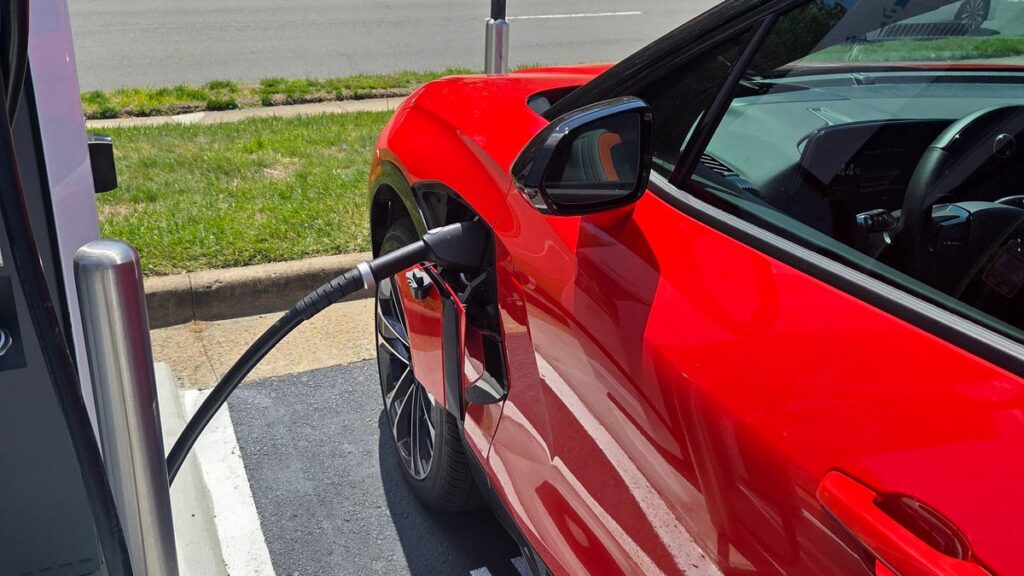
Additionally, the convenience of home charging for EV owners, as opposed to frequenting gas stations, could impact jobs linked to fuel distribution and associated retail activities. As public charging infrastructure grows, especially in locations like grocery store parking lots, the traditional model of quick stops for gas and snacks may change.
These changes have led to worries about employment in manufacturing, repair shops, and fuel stations. Robert Charette, a contributing editor with the Institute of Electrical and Electronics Engineers Spectrum magazine, highlighted the social challenges posed by governmental EV transition policies, noting that “upwards of 80,000 auto workers and a similar number in the auto supply chain have already been laid off globally to support the EV transition.”
Future Job Prospects
Despite these concerns, some industry advocates argue that the transition to electric vehicles could ultimately create more jobs. The Zero Emission Transportation Association has projected that decarbonizing transportation might generate 2.3 million jobs by 2035. They emphasize that promoting the domestic EV sector will likely increase employment opportunities, arguing that supporting the growth of this industry is an investment in future job security.
The United Auto Workers union also stresses the need for a “just transition,” ensuring that new jobs in battery plants and other EV-related sectors are as rewarding as those in the traditional automotive industry. “We cannot allow a race to the bottom for America’s working families,” the union stated in a 2023 white paper.
As the market evolves, the balance between technological advancement and job security remains a critical discussion point for policymakers and industry leaders alike.
Original Story at www.usatoday.com