As the world grapples with multiple existential threats, the Doomsday Clock has inched closer to midnight, symbolizing the heightened risk of global catastrophe. The symbolic clock, created by The Bulletin of the Atomic Scientists in 1945, serves as a stark reminder of the dangers posed by nuclear weapons, misinformation, and climate change. Initially set at seven minutes to midnight, the clock now ominously stands at just 85 seconds to midnight.
Albert Einstein and J. Robert Oppenheimer established the Doomsday Clock after the development of the atomic bomb, using it as a metaphor to illustrate the peril of human-created technologies. Despite warnings of impending disaster last year, nations such as Russia, China, and the United States have continued to demonstrate aggressive and nationalistic behaviors, exacerbating global tensions.
Climate Change: A Catalyst for Crisis
Recent data reveals alarming trends in climate change, contributing to the clock’s forward movement. Atmospheric carbon dioxide levels have risen to 150 percent above preindustrial levels, driving global temperatures upward and pushing the planet towards critical tipping points. Notably, 2025 was recorded as the third hottest year globally, with temperatures exceeding the 1.5°C threshold outlined in the Paris Agreement.
Europe experienced severe heatwaves and wildfires, with an estimated 24,400 heat-related deaths last summer. According to research from Imperial College London and the London School of Hygiene & Tropical Medicine, 68 percent of these deaths were linked to climate change-induced temperature rises. Additionally, the increased capacity of the atmosphere to hold moisture has led to devastating floods across Asia, exacerbated by deforestation in regions like Indonesia, where 1.4 million hectares have been cleared between 2016 and 2025.
Efforts to transition away from fossil fuels faced setbacks at the COP30 summit in Belém. While a roadmap for clean energy gained support from over 90 countries, including the UK, Germany, and the Netherlands, the final agreement omitted any mention of fossil fuels. This omission was influenced by nations such as Saudi Arabia, Russia, and China, where top carbon-emitting firms are located.
The Bulletin of the Atomic Scientists criticized the inadequate national and international responses to the climate crisis, highlighting the lack of emphasis on phasing out fossil fuels and monitoring carbon emissions at recent UN climate summits. In the United States, the Trump administration’s policies have further hindered progress, prioritizing fossil fuels over renewable energy initiatives.
Renewable Energy: A Beacon of Hope?
Despite the grim outlook, transitioning to renewable energy offers a potential pathway to avert disaster. The Bulletin suggests that rejecting anti-renewable policies and investing in green energy could significantly reduce fossil fuel dependency. Fossil fuels remain the largest contributor to climate change, accounting for 68 percent of greenhouse gas emissions and nearly 90 percent of carbon dioxide emissions.
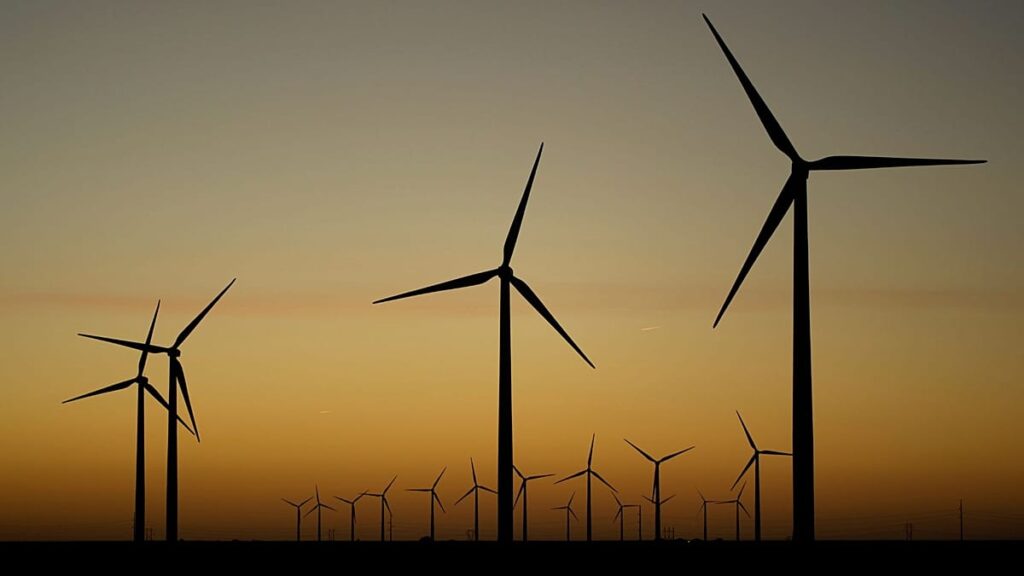
In a positive development, 2025 marked the first year in which wind and solar energy surpassed fossil fuels in the EU’s electricity generation. A report from Ember noted a decline in fossil power from 36.7 percent to 29 percent of the EU’s electricity over five years, while wind and solar reached 30 percent. Furthermore, ten European countries committed €9.5 billion to transform the North Sea into a major clean energy hub, aiming to power 143 million homes by 2050 through interconnected wind farms.
Nevertheless, the Trump administration remains committed to fossil fuel expansion, exemplified by the suspension of US offshore wind project leases. At the Davos summit, President Trump criticized countries investing in wind energy, incorrectly claiming that China is not pursuing renewable energy despite hosting the world’s largest wind farm.
Original Story at www.euronews.com