The Shift to Localized Energy: A New Era of Independence
Energy often travels vast distances to reach us, whether it’s through pipelines, tankers, or power lines. While centralized energy systems can be efficient, they also expose us to vulnerabilities from natural disasters, technical issues, and geopolitical tensions. Furthermore, these large systems necessitate significant land and resource use.
When the proprietors of these systems leverage political influence to ensure reliance on their infrastructure, it not only limits consumer choice but also stifles the adoption of smarter, localized energy solutions. A report by the Frontier Group highlights how this dependency is maintained.
Distributed energy offers a promising alternative, bringing with it environmental and public health benefits, and increasing community resilience against energy disruptions.
The Halfway Mark in America’s Energy Journey
In “The ‘soft energy path’ at 50: America’s road half-taken,” Tony Dutzik reflects on the progress made in the U.S. towards reducing energy consumption and increasing renewable energy production locally. This vision was originally introduced by Amory Lovins in 1976, advocating for a shift to “soft” energy resources. However, as Dutzik notes, the journey is only partially complete, leaving America at another critical juncture. Read more here.
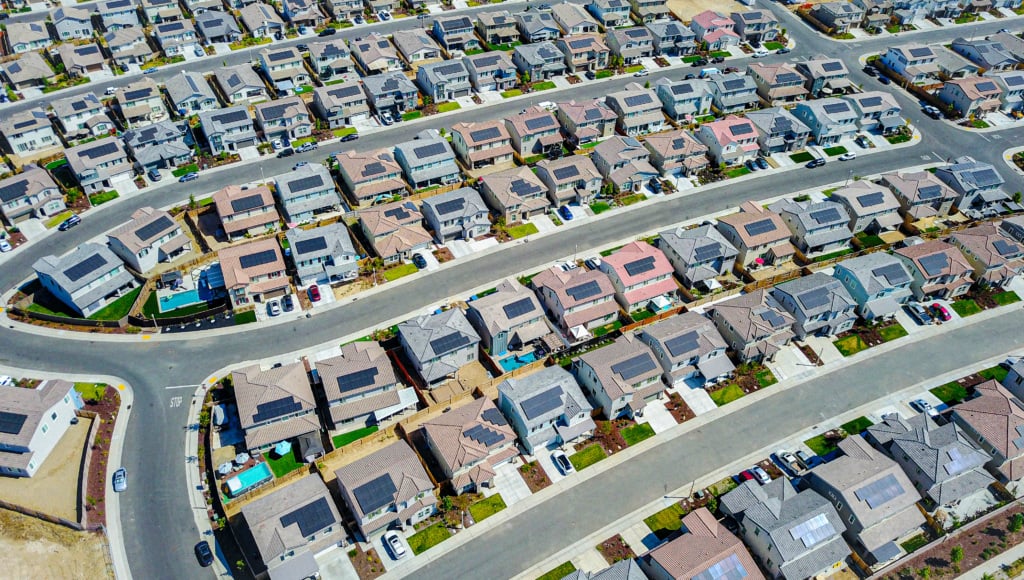
Solar power, particularly rooftop installations, offers significant benefits for climate action, land conservation, and grid resilience. These advantages are detailed in the report, “The Environmental Case for Rooftop Solar Energy.”
Maximizing Infrastructure with Solar Solutions
By installing solar panels atop existing infrastructure like homes, schools, and retail stores, the U.S. can generate substantial clean energy. The “Solar on Superstores” report estimates that outfitting large retail buildings with solar panels could power nearly 8 million U.S. homes.
Enhancing rooftop solar with battery storage further strengthens energy independence. It allows homes and neighborhoods to maintain power during outages caused by severe weather, as outlined in “Electric School Buses and the Grid.”
Everyday Solar Impact and Challenges
Small solar applications are becoming increasingly common, challenging the notion that electricity must come from distant centralized sources. As noted by Nilou Yaar, small solar innovations ensure continuity during outages and minimize dependency on external power sources. Read her insights here.
Despite the potential, adding solar panels and storage systems faces hurdles due to cumbersome permitting processes. These challenges were documented in Texas and Illinois, demonstrating how bureaucratic red tape can impede solar adoption. For more information, see the reports on red tape in residential solar permitting and instant permitting solutions.
Original Story at frontiergroup.org