In a significant legal setback for the Trump administration, a federal court ruled against the Energy Department’s decision to keep a Michigan coal-fired power plant operational beyond its planned closure. This decision underscores the ongoing tensions between federal authority and state interests in the realm of energy policy.
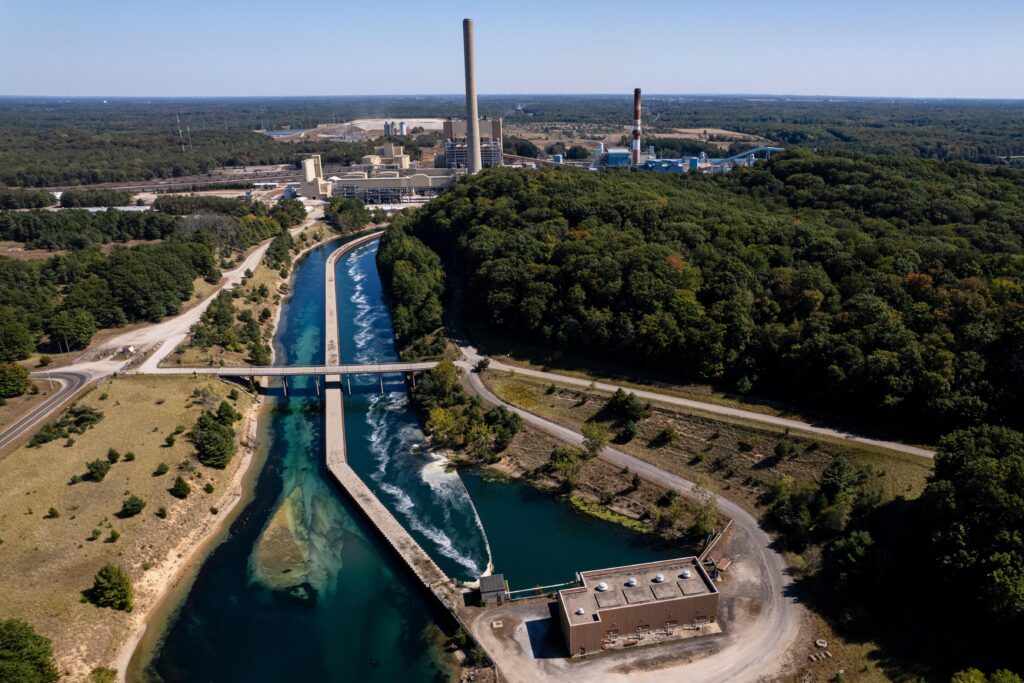
Energy Secretary Chris Wright had asserted that the J.H. Campbell Generating Plant, a 64-year-old facility, was crucial for maintaining electricity reliability in the area. To this end, he invoked emergency powers to extend its operations. However, a coalition of environmental groups and the states of Michigan, Illinois, and Minnesota contested this move in court.
The U.S. Court of Appeals for the District of Columbia Circuit agreed with the challengers, stating there wasn’t a legitimate emergency as defined by law. The court highlighted the narrow scope of the Federal Power Act’s emergency provisions, emphasizing that such powers should be reserved for truly last-resort situations that necessitate federal intervention over state actions.
Judicial Critique of Federal Overreach
Judge Cornelia Pillard, writing for the three-judge panel, emphasized that reversing the plant’s “long and carefully planned retirement” was unnecessarily disruptive. The court’s decision was unanimous in determining that the Energy Department overstepped its authority.
Reactions from State Officials and Critics
Michigan Attorney General Dana Nessel expressed relief over the court’s decision, criticizing the federal mandate as baseless. She remarked, “This administration does not get to invent fake emergencies to bypass the rule of law against the best interests of Michigan residents.”
The case exemplifies broader legal challenges against the Trump administration’s attempts to keep several coal-fired plants operational under the guise of emergency powers. Despite the court’s ruling, the administration swiftly issued another emergency order for a coal plant in Centralia, Washington, operated by TransAlta, which had been slated for closure at the end of 2025.
These federal orders, which also affect plants in Indiana, Colorado, and Florida, have been criticized for increasing consumer costs and exacerbating environmental pollution. An order was also placed on a Pennsylvania oil and gas plant to maintain operations as a preventive measure against potential electricity shortages.
Energy Department’s Justification
An Energy Department spokesperson defended the emergency orders, claiming they averted blackouts and likely saved lives during peak winter storms earlier this year. Spokeswoman Emily Matthews noted a 25% increase in coal generation in the affected regions compared to the previous year, with the Campbell plant significantly contributing to the power supply during this period.
Financial records indicate that extending the Michigan plant’s operations beyond its May 2025 retirement has already cost approximately $259 million, a burden anticipated to fall on Midwest families and businesses.
Environmental Advocates Respond
Ted Kelly of the Environmental Defense Fund criticized the administration’s efforts to sustain “unreliable, aging coal plants,” arguing this approach is financially and environmentally detrimental. Similarly, Sanjay Narayan from the Sierra Club hailed the court’s decision as a victory for the Midwest communities burdened by the plant’s continued operation.
Narayan vowed continued resistance against the administration’s policies, asserting that the agenda to support fossil fuels at public expense would not prevail.
Associated Press writers Matt Brown in Billings, Montana, and Ed White in Detroit contributed to this story.
Original Story at www.chicagotribune.com