
Across the globe, fresh water is becoming increasingly scarce, with a significant portion now flowing into the oceans, exacerbating the rising sea levels more than the melting ice sheets, according to a recent analysis.
The study, spearheaded by Earth system scientist Hrishikesh Chandanpurkar of FLAME University in India, stresses the need for immediate measures to brace for drier conditions, driven by climate change and human activity that depletes groundwater.
By utilizing over 20 years of satellite data from NASA’s Gravity Recovery and Climate Experiment and its successor mission, the researchers tracked changes in terrestrial water storage since 2002 to understand the underlying causes.
Continental Drying Trends
“We find that the continents (all land excluding Greenland and Antarctica) have undergone unprecedented rates of drying and that the continental areas experiencing drying are increasing by about twice the size of the state of California each year,” the authors write.
Human activities have significantly altered Earth’s water cycle by releasing greenhouse gases that affect the atmosphere, and by redirecting waterways and rainfall areas. While some regions have become wetter, others have dried out more rapidly, disrupting the balance.
“Dry areas are drying at a faster rate than wet areas are wetting,” the team writes. “At the same time, the area experiencing drying has increased, while the area experiencing wetting has decreased.”
The decline in terrestrial water, affecting surface water like lakes and rivers as well as groundwater in aquifers, is widespread. A staggering 75 percent of the global population resides in the 101 countries where freshwater is depleting rapidly.
Most of this displaced freshwater ends up in the oceans, contributing more significantly to sea level rise than ice melt.
Causes and Effects
The shift towards drying continents is largely due to water loss in high-latitude regions such as Canada and Russia, likely resulting from melting ice and permafrost.
In areas without glaciers, 68 percent of terrestrial water loss is linked to human groundwater extraction. Severe droughts, like those recently witnessed in Central America and Europe, compound the issue and are expected to become more frequent due to the climate crisis.
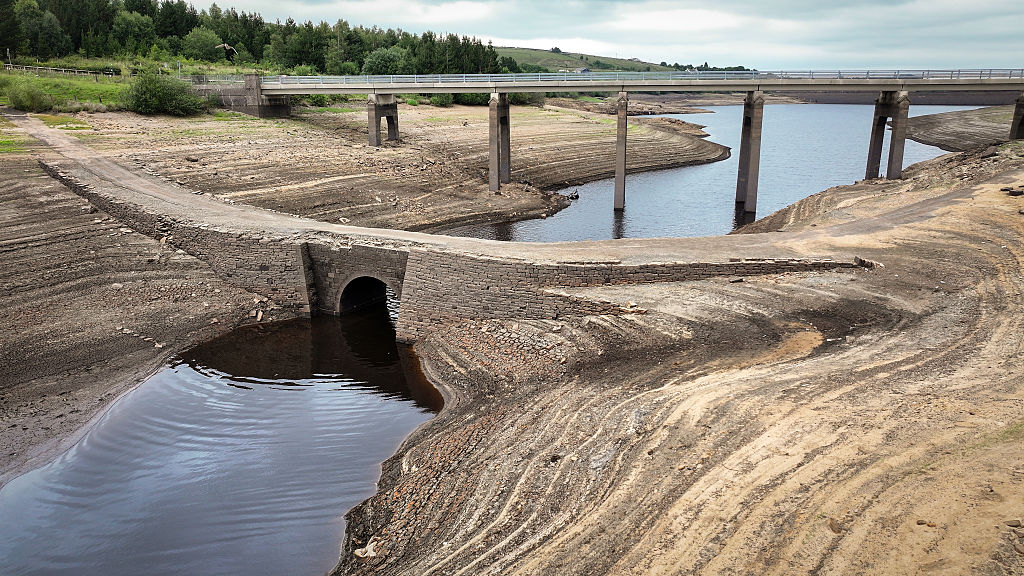
As fossil fuel emissions continue to change rainfall patterns, reliance on groundwater increases, further straining these resources that aren’t replenished as quickly as they are used.
In several regions, excessive groundwater use is linked to agriculture, such as California’s Central Valley, which supplies 70 percent of the world’s almonds, and areas around the now-dry Aral Sea in Central Asia known for cotton production.
“At present, overpumping groundwater is the largest contributor to rates of terrestrial water storage decline in drying regions, significantly amplifying the impacts of increasing temperature, aridification, and extreme drought events,” the authors write.
“Protecting the world’s groundwater supply is paramount in a warming world and on continents that we now know are drying.”
The researchers advocate for regional, national, and international collaborations to develop sustainable groundwater practices to conserve this crucial resource for future generations.
“While efforts to slow climate change may be sputtering, there is no reason why efforts to slow rates of continental drying should do the same,” the team writes.
This research was published in Science Advances.
Original Story at www.sciencealert.com