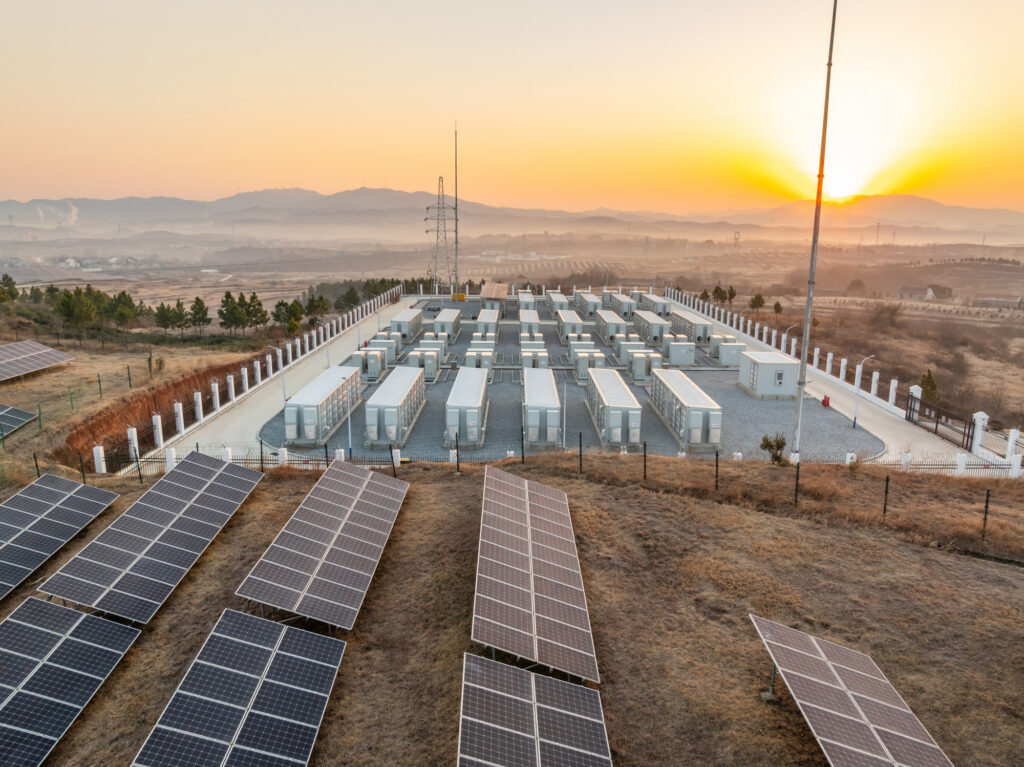
The clean energy sector stands at a crossroads amid global tensions and technological advancements. While the conflict in the Middle East has led to increased oil and gas prices, advancements in clean energy technology are reducing costs and fueling demand. The growing need for electricity, driven by data centers, electric vehicles, and reshored manufacturing, is further bolstering the sector.
Despite these favorable conditions, the sector’s performance is inconsistent. After a surge following the closure of the Strait of Hormuz in February, clean energy indexes have relinquished many of their 2026 gains. Inflationary pressures are looming, impacting the capital-intensive segments of the industry.
China’s significant role in the clean energy supply chain poses challenges for investors, further intertwined with the sector’s connections to the artificial intelligence (AI) boom. “The clean energy boom has been driven more by AI power demand than anything to do with oil prices,” observes Shaheen Contractor, a senior sustainable finance research analyst at Bloomberg Intelligence.
The volatility of renewable energy equity indexes has been evident throughout the year. The S&P Global Clean Energy Transition Index, for instance, climbed 43.9% from January 1 to its peak on June 3 but had only a 3.44% gain by the end of Q3.
The sensitivity of the renewables industry to the interest rate environment is a significant factor. Nick Stansbury, head of climate solutions at L&G’s Asset Management, notes, “Low-carbon energy tends to be substantially more capital-intensive than fossil-fuel-fired electricity.”
Trimmed Valuations
Despite the mixed performance of clean energy indexes, investor interest remains strong. Morningstar data indicates net inflows of $14.7 billion into energy transition funds by the end of August, totaling $97 billion in managed assets.
Although higher interest rates have affected stock valuations, investment in renewable assets continues. BloombergNEF reports new investment in renewable energy generation reached $327.5 billion in the first half of 2026, remaining consistent with the previous period but 21% below the peak of 2024.
Investment in renewables far surpasses fossil energy, with the International Energy Agency (IEA) projecting $771 billion in investments for renewables and batteries in 2026, compared to $191 billion for fossil fuels and $83 billion for nuclear power.
Structural Mega-Trend
Jennifer Boscardin-Ching from Pictet Asset Management highlights a “structural mega-trend” shaping electricity markets and the clean energy sector’s outlook. “Electricity demand is increasing and accelerating,” she notes, driven by data centers, electrification of transport and heating, and reshored manufacturing.
The U.S. saw a 2.8% increase in electricity generation between 2024 and 2025, a significant jump compared to the 0.1% annual growth from 2005 to 2020. This growth signifies a shift towards renewable energy as the most cost-effective and rapid way to meet new demand.
“When you look at the fact that all of the new net energy demand is being met with renewable energy, what you actually see is a huge chunk of solar”
Lee Clements
LSEG
According to Lazard’s annual LCOE report, “unsubsidised renewable energy remains the most cost-competitive form of new-build generation.” Renewables are also quicker to deploy, meeting AI-driven demand.
Involution
The rapid changes in the renewable sector reveal challenges in capturing value across the supply chain. Lee Clements of LSEG notes the role of Chinese solar production, which is challenging for Western investors to access. Intense competition within China, or “involution,” has led to low costs but not necessarily favorable returns for investors.
Steve Howard of Temasek highlights the “green discount” era, where cleaner technologies are also cheaper and better. Howard points to Temasek’s investments in companies like ReNew and Battery Smart, which innovate around existing technologies.
Competitive Moats
Identifying investment opportunities in renewables requires focusing on companies with “competitive moats,” according to Thomas Morris Brown of Impax Asset Management. Integrated utilities and transmission infrastructure companies offer regulated revenues and align with trends like increased electricity demand.
“Utilities are essentially regulated monopolies, so there are moats in terms of barriers to entry”
Jennifer Boscardin-Ching
Pictet Asset Management
Investments in utilities, like Spain’s Iberdrola, are seen as more predictable and less volatile than cyclical renewable equipment makers.
Hyperscaler Interest
Utility stocks and independent power producers form the backbone of infrastructure strategies. Eric Bright of FP Foresight Global Real Infrastructure Fund notes that large utilities benefit from partnerships with financial institutions, aligning with the interests of tech giants like Google and Amazon.
Investments in listed infrastructure offer stability with returns slightly lower than conventional equity but more defensive in downturns, as seen during the COVID-19 pandemic.
Unlisted infrastructure investments, according to Anne-Laure Messier of Mirova, can offer higher returns, with “core” strategies providing 9-10% IRR and “core-plus” investments reaching 12-13% through construction risk. “Value-add” strategies can yield 15-18% by taking development risk.
Infrastructure funds also act as an inflation hedge, with diversification benefits across different renewable technologies.
A Broader View
The perception of the renewable energy sector is evolving, with investors linking it to energy demand and AI themes instead of solely decarbonization. Steve Bullock of MSCI emphasizes the broad range of transition risks and opportunities.
MSCI’s Energy Transition Index reflects this broader view, assessing companies for transition readiness alongside clean energy opportunities.
There is a shift towards mainstreaming responsible investment practices, as indicated by LSEG’s asset owner survey. Temasek’s Howard underscores the multifaceted nature of the energy transition, driven by energy security, reliability, affordability, and competitiveness alongside decarbonization.
Original Story at www.responsible-investor.com