Community solar is gaining traction in the United States as a major contributor to the nation’s energy portfolio. With the sector surpassing 10 gigawatts last year and an additional 8-gigawatt pipeline of projects underway, the growth is notable despite recent shifts in federal energy policies.
Community Solar: A Cost-Effective Solution
Community solar projects consist of shared solar arrays that local residents can access through subscription plans. The initiative aims to democratize access to renewable energy, particularly for those unable to install solar panels on their properties. As legislation enabling these projects spreads, 43 states and the District of Columbia now participate in community solar.
Initially, subscribers paid a premium for solar energy, but as solar technology has become more affordable, participants now enjoy cost savings. According to a market report by the National Laboratory of the Rockies, as of June 2025, the U.S. had approximately 11 gigawatts of community solar capacity, with Florida, New York, Massachusetts, and Minnesota leading the charge.
Beyond Financial Savings
Community solar projects also offer environmental and social benefits. They frequently transform underused lands like landfills into productive solar sites. Initiatives like Farmers Powering Communities further promote solar energy as a land conservation strategy, helping farmers and ratepayers alike. Additionally, these projects can be deployed on commercial rooftops, maximizing property use while enhancing business reputations.
Economic Opportunities for Community Solar
Community solar has moved from a niche market to a lucrative industry. Georgia-based Dimension Energy exemplifies this growth, with over 1 gigawatt of projects completed since its 2018 inception and 3.5 gigawatts under development across 14 markets. Recently, Dimension secured $650 million in financing for 25 projects in states like New York and Illinois.
“The value proposition of community solar continues to grow as U.S. electric prices reach historic highs,” Dimension stated, highlighting the immediate utility bill savings for subscribers and the benefits of localized power generation.
Fostering Workforce Development
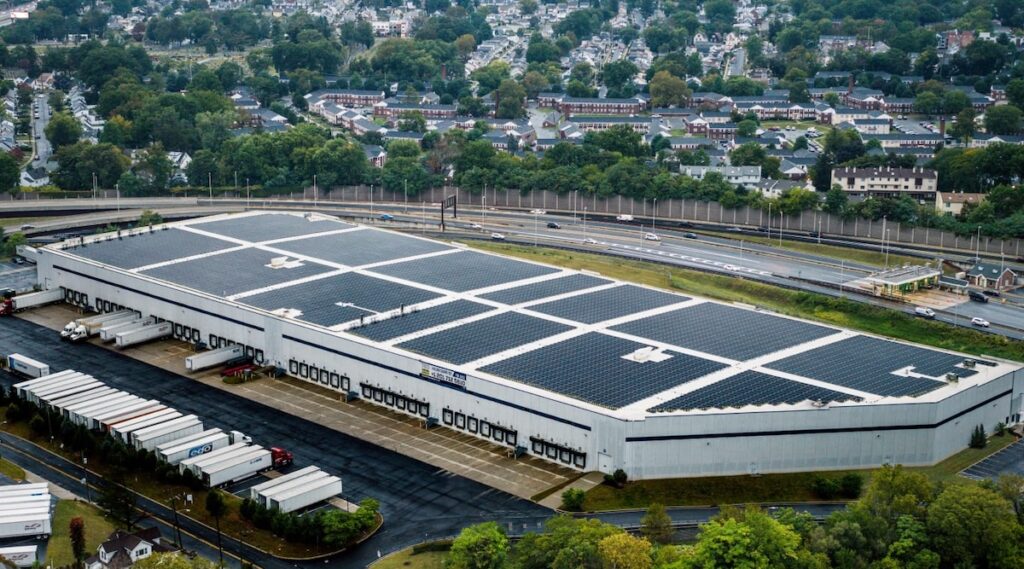
Dimension’s projects in New Jersey, utilizing warehouse rooftops to conserve land, direct a significant portion of generated power to low- to moderate-income households. The company also invests in workforce training, partnering with local colleges to create educational opportunities in STEM fields for students across the state.
Future Outlook for Community Solar
Despite a recent market contraction attributed to maturing markets in states like Maine and New York, a Wood Mackenzie report forecasts a rebound with 12% growth expected this year. New markets in Ohio, Iowa, Pennsylvania, and Michigan could further stimulate growth, pending enabling legislation. Additionally, community-scaled solar projects under 20 megawatts DC are gaining attention, particularly in Ohio, where legislation is still developing.
Community solar projects are less likely to face delays typically associated with larger utility-scale installations. This efficiency, combined with the rising costs of fossil fuels, positions community solar as an increasingly attractive option for sustainable energy development.
Photo: Invisible from the street, this warehouse hosts a sizeable rooftop community solar project that provides all local ratepayers with access to low-cost electricity (cropped, courtesy of Dimension Energy).
Original Story at cleantechnica.com