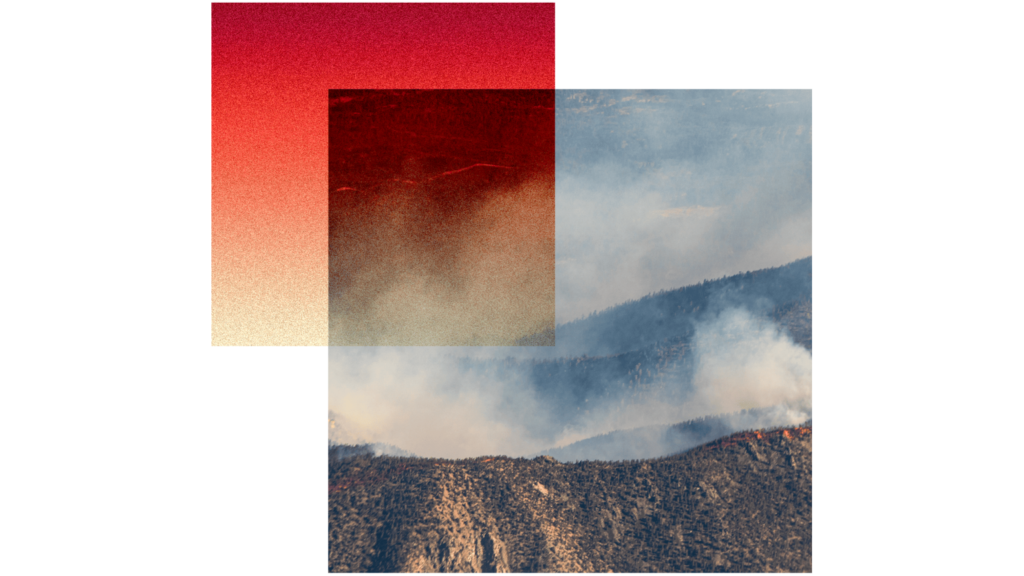
The Escalating Threat of Wildfires: Unraveling the Climate Change Connection
Across the globe, extreme weather events are capturing headlines with increasing frequency, as these disasters defy traditional seasons, shatter historical records, and strike regions that had rarely, if ever, experienced them before.
Scientific consensus has established a clear link between human-induced climate change and the heightened intensity and frequency of certain natural disasters. The combustion of fossil fuels releases carbon dioxide into the atmosphere, which traps heat and alters climatic conditions, thereby facilitating the formation of extreme weather events. These shifts are occurring at an unprecedented pace, faster than any period recorded in the last 800,000 years, according to NASA’s climate records.
Here, we explore the well-documented relationship between climate change and the increasing incidence of wildfires.
In today’s warmer, drier climate, the frequency and severity of wildfires have surged. Research has firmly attributed this escalation to anthropogenic climate change. A study in 2016 concluded that human-related carbon emissions have led to a doubling of large wildfires since 1984, as noted in the Proceedings of the National Academy of Sciences. Similarly, a 2021 study funded by NOAA found that climate change is the principal catalyst for wildfire conditions, such as hotter and drier summers. Wildfires contribute to the problem by releasing carbon as trees and vegetation burn, with 2023 alone seeing emissions of 8.6 billion metric tons of carbon dioxide globally.
The Western United States is particularly vulnerable to this growing wildfire threat. The region faces increasingly hazardous dry and hot conditions, with early snowmelt in spring and more severe summer droughts, as detailed in Grist. Rising temperatures are also fostering outbreaks of bark beetles, which harm vast forest areas, creating a tinderbox of dead vegetation ready to ignite.
However, these perilous conditions are not confined to the West. The East Coast has seen a rise in “fire weather” days annually over the past five decades, as reported by Climate Central. In New Jersey’s Pine Barrens, prolonged dry spells lead to the accumulation of dry leaves, creating conditions ripe for fires.
As wildfire-fueling conditions have intensified, so has the population living in at-risk areas. The U.S. Forest Service highlights a 41 percent increase in housing development within the “wildland-urban interface” between 1990 and 2010, per their research.
Historically, wildfires are an integral part of many ecosystems. Indigenous tribes have long practiced controlled burns to mitigate fire risk and maintain ecological balance. However, this practice was banned by European settlers and later the federal government, leading to a dangerous buildup of dry vegetation. Recently, some experts and policymakers have begun reintroducing controlled burns in collaboration with Indigenous groups to restore forest health. “There are solutions we have in our knowledge and in our management approaches that can help restore these ecosystems and can also benefit the public,” U.S. Forest Service research ecologist Frank K. Lake, a Karuk tribe descendant, told Grist in 2020.
Original Story at www.greatlakesnow.org