China’s Energy Dilemma: Balancing Coal Dependency and Renewable Ambitions
China’s energy strategy stands at a crucial crossroads as it grapples with the dual challenges of maintaining energy security and achieving climate commitments. With its latest Five-Year Plan, the nation faces scrutiny over its increasing coal dependency despite substantial investments in renewable energy.
In 2021, President Xi Jinping pledged at the Leaders Climate Summit to control coal generation and reduce CO2 intensity by 2030. However, recent developments suggest these goals are under threat. The National People’s Congress meeting in Beijing, marking the launch of the 15th Five-Year Plan, has unveiled policies that may hinder these climate promises.
China’s Coal Conundrum
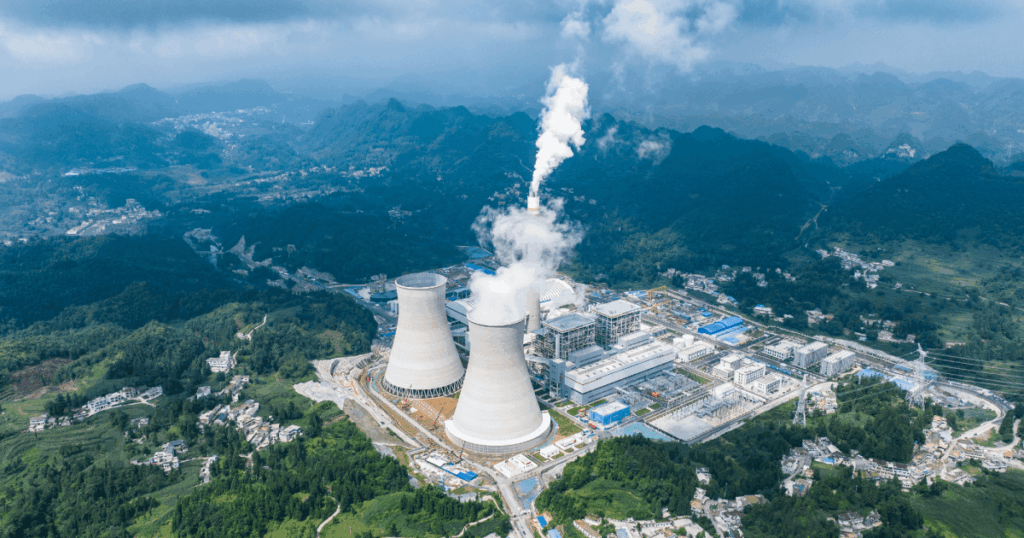
China remains the largest emitter of greenhouse gases, the biggest user of coal, and paradoxically, the top installer of renewable energy. Despite progress in renewable energy capacity, coal usage has increased due to rising energy demands. In 2024, coal constituted 56% of China’s primary energy, a significant portion compared to the U.S.’s 8%.
The reliance on coal is partly due to energy security concerns, as coal is domestically abundant. China controls about 13% of the world’s recoverable coal reserves, ensuring a steady supply despite geopolitical tensions.
Energy Security and Economic Growth
Power shortages in 2021 highlighted the importance of coal in China’s energy mix. As the economy rebounded post-COVID, coal prices soared, causing some power stations to cut output. The government’s response included a new lending facility to support “clean and efficient use of coal,” reflecting a shift in climate policy focus towards energy security.
Renewable energy investments have surged, with China installing 300 gigawatts of solar and 100 gigawatts of wind power last year. Yet, the persistent expansion of coal plants, with 94.5 gigawatts of new capacity underway in 2024, raises concerns about meeting climate targets.
Renewable Energy’s Role
China’s commitment to renewables is evident in its rapid growth in energy storage technology, crucial for managing intermittent renewable power. Battery storage has increased twentyfold in four years, presenting an efficient alternative to coal for balancing the grid.
Despite these advancements, the continued approval of coal plants risks creating stranded assets, with potential costs running into trillions. The tension between coal dependency and climate goals underscores the complexity of China’s energy strategy.
China’s struggle to meet its energy density target, achieving only 12.4% improvement instead of the planned 17%, suggests emissions increased by 13%. This shortfall threatens China’s Paris Agreement commitments and Xi Jinping’s carbon intensity reduction pledge.
The 15th Five-Year Plan could have addressed these challenges with more ambitious climate action, but instead, it recalibrates energy intensity calculations, possibly masking unmet targets. As China navigates these energy challenges, the balance between economic growth, energy security, and environmental responsibility remains delicate.
Original Story at www.motherjones.com