
Concerns Rise Over Safety of Electronic Door Handles in Modern Vehicles
In a move that underscores growing safety concerns, China has announced a ban on retractable door handles in new vehicles following a series of tragic incidents. This decision comes in light of recent fatalities where individuals were trapped in burning cars, unable to escape due to the design of these handles. This issue is not isolated to China; recently, the U.S. District Court of Massachusetts saw a lawsuit concerning a similar incident involving a Tesla vehicle.
The case in focus involves Samuel Tremblett, a 20-year-old who tragically lost his life when his Tesla Model Y caught fire after an accident. Despite calling emergency services and pleading for assistance, Tremblett succumbed to “thermal injuries and smoke inhalation,” as confirmed by legal documents. His remains were discovered in the vehicle’s back seat, highlighting the dangers associated with the current design of electronic door handles.
In response to such incidents, automakers are beginning to take action. Tesla has announced plans to update its door systems to automatically unlock upon collision detection. Rivian is also examining its designs following feedback on the R1 model’s electronic handles, which complicated the use of manual failsafes for rear passengers. Meanwhile, a legislative proposal introduced by a U.S. representative from Illinois aims to mandate manual interior handles in all new vehicles, though its future remains uncertain. For more on this proposal, visit here.
Electronic door handles are favored for their aerodynamic benefits, crucial for electric vehicles that are sensitive to drag-induced range losses. However, according to Sam Abuelsamid, vice president at automotive analytics agency Telemetry, these handles often pose more issues than benefits. He notes that electronic handles frequently fail to operate correctly, especially in adverse weather conditions like freezing rain.
Abuelsamid further explains the complications during power losses, where electronic doors can become a severe hazard. Some manufacturers, such as Ford with its Mustang Mach-E, have attempted to mitigate this by installing super capacitors to power door latches in emergencies. However, this adds to the complexity and cost, and such systems have been known to fail during crashes.
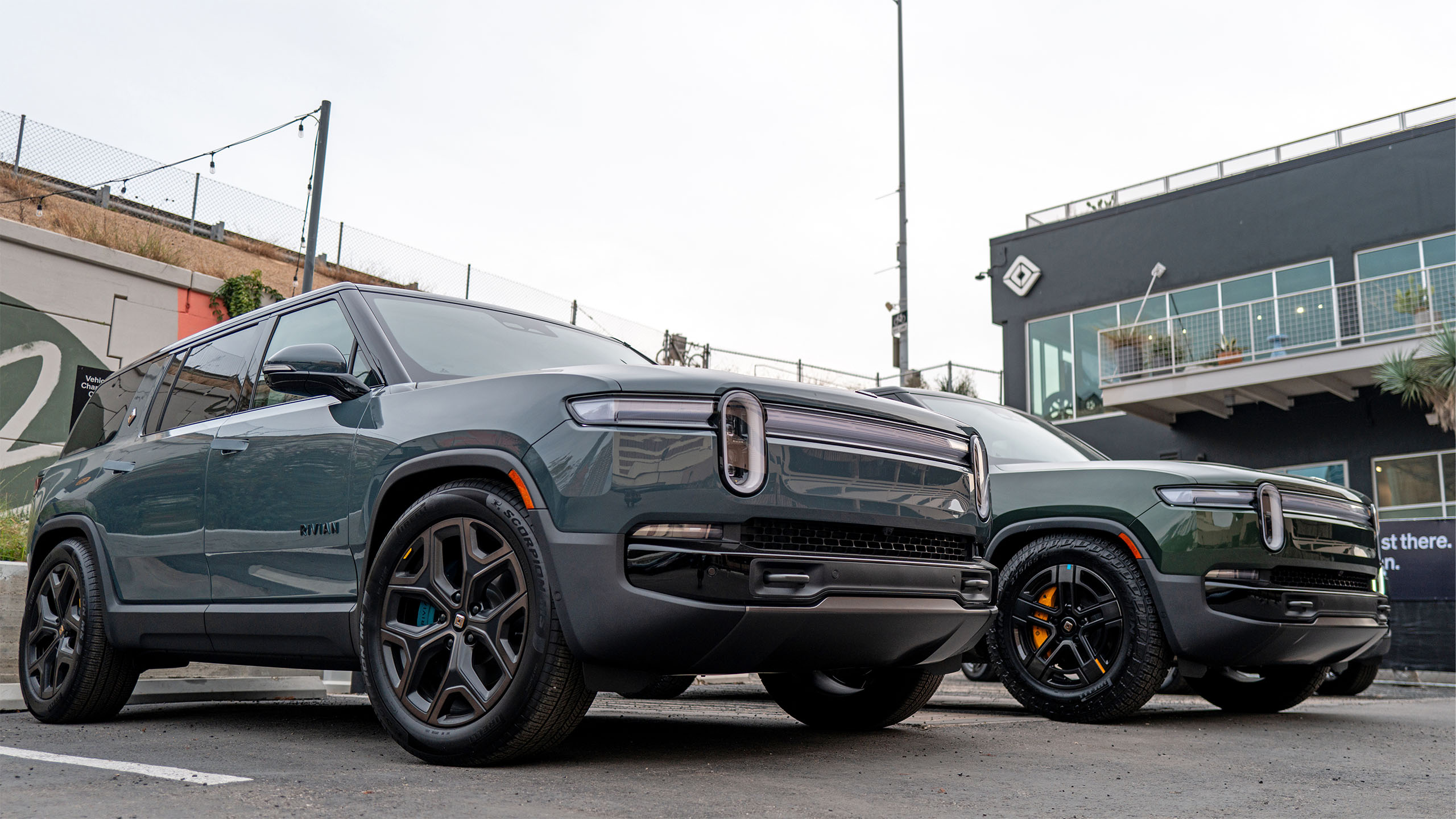
The style and functionality of door handles are pivotal, with flush handles requiring a push-pull mechanism often being more cumbersome than traditional designs. Fully retractable handles, like those on some Tesla and Chinese models, have been particularly problematic. Abuelsamid criticizes the design choices in new Rivian models, which complicate the interface by combining mechanical and electronic controls for front passengers.
For consumers, understanding the mechanical backup options available in different vehicles is crucial. Consumer Reports offers a guide to locating these features across various models.
While the National Highway Traffic Safety Administration has not yet introduced regulatory changes, industry experts like Robby DeGraff from AutoPacific express optimism that recent legal actions may prompt a shift. DeGraff and others argue for a return to simpler, more reliable door handle designs, prioritizing safety over marginal aerodynamic gains.
China’s forthcoming regulations mandating mechanical handles on both sides of vehicle doors aim to facilitate both occupant escape and emergency responder access. As discussions continue, the hope is that these safety concerns will catalyze meaningful change in vehicle design standards worldwide.
Original Story at www.thedrive.com