Extreme Weather Amplifies Climate Concerns in Canada, Sparks Political Debate
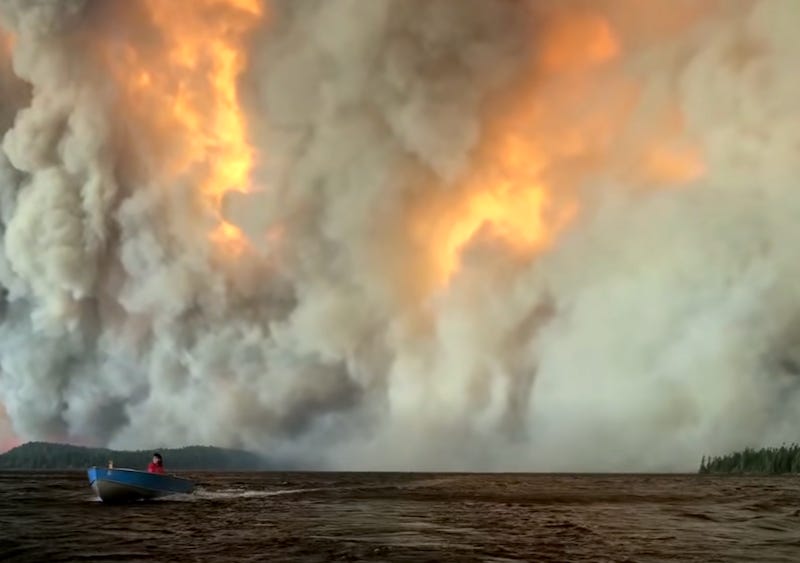
The intensifying impact of severe weather conditions across Canada is bringing climate change concerns to the forefront of public discourse. Recent data reveals that environmental issues have surged in importance, surpassing other pressing matters like housing and immigration. The change in priorities is largely attributed to the visible and tangible effects of climate change, including pervasive smoke from wildfires, record-breaking heatwaves, and unprecedented flooding.
According to a recent poll, environmental concerns rose by two points in July compared to the previous month. Prime Minister Mark Carney has characterized some of the recent floods as “biblical,” underscoring the severe weather events attributed to global warming. As these climate impacts become more noticeable, they are pushing the urgency of climate action higher on the public’s agenda.
Cross-border pressure is also mounting as U.S. lawmakers continue to urge Canadian governments to take decisive action on wildfire management. Some have even rekindled controversial ideas from the past, such as calls for Canada to join the United States as a 51st state if the fires remain uncontrolled.
Prime Minister Carney’s response to these challenges has been met with mixed reactions. At a recent news conference, he highlighted investments in clean energy but quickly shifted focus to the Pathways carbon capture, storage, and utilization project, which has been criticized as a “master class in greenwash” by some observers. Critics argue that the federal government’s actions do not align with the urgency of the climate crisis, despite the growing public concern.
The Prime Minister’s strategy seems to hinge on the belief that the public’s demand for climate action may not sustain long enough to create substantial political pressure. This has led to controversial policy decisions, including a deal with Alberta Premier Danielle Smith that many view as neglectful of Canada’s climate commitments. The new pipeline project and the associated Pathways initiative have sparked debate over their environmental and economic impacts, with critics questioning the lack of public consultation and transparency regarding their costs.
Despite these challenges, there remains significant room for a counter-narrative to emerge. Polls indicate that a considerable portion of the population is undecided about the pipeline, suggesting an opportunity for climate advocates to influence public opinion and policy. With 80% of Canadians expressing concern about climate change, there is a strong foundation for building a movement that demands more ambitious climate action.
As severe weather events continue to highlight the urgent need for climate action, the challenge for activists and policymakers is to ensure that the momentum for change remains strong. By engaging with communities and providing credible information, the climate community can play a critical role in shaping a sustainable future.
Original Story at energymixweekender.substack.com