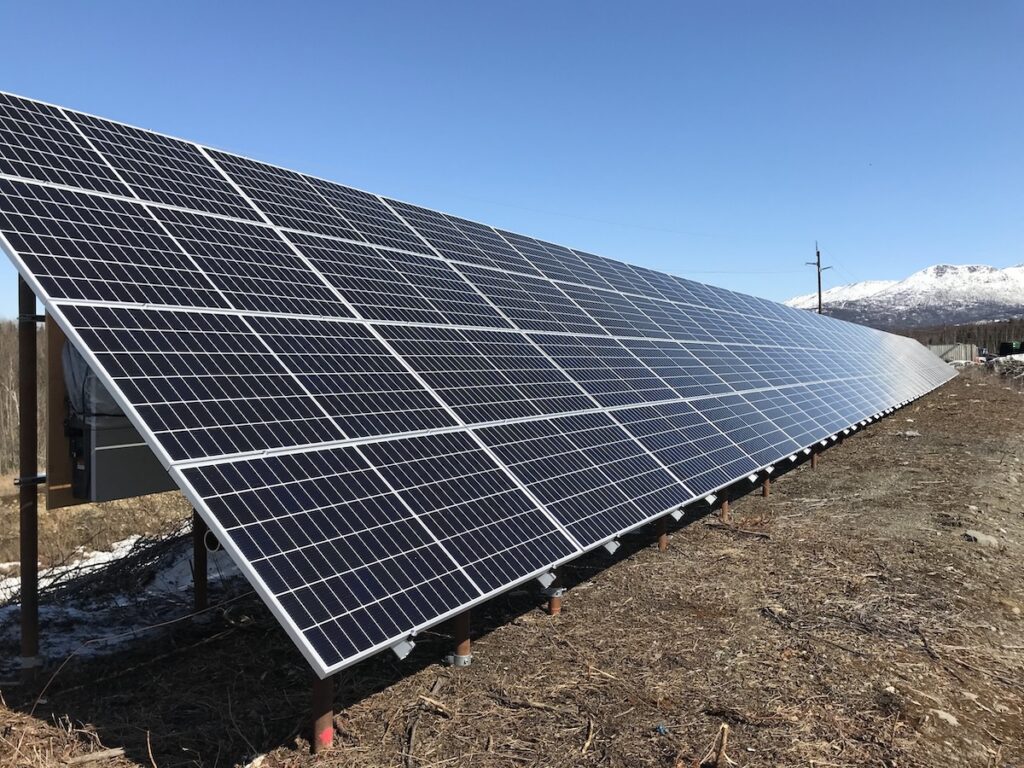
Exploring the Potential of Brownfields for Clean Energy Deployment
As the world transitions towards more sustainable energy sources, solar and wind power have emerged as some of the most cost-effective options. However, expanding these technologies at a large scale involves more than just financial considerations. Developers frequently encounter challenges such as site selection constraints, delays in permitting, interconnection hurdles, and local opposition, especially when projects compete with agricultural, recreational, or conservation land uses.
Across the United States, communities are frequently home to neglected, previously disturbed, and contaminated lands known as “brownfields.” By utilizing these sites for clean energy projects, communities can transform land with limited value into productive energy hubs, addressing local energy needs while minimizing land use conflicts. The US EPA has identified over 190,000 brownfields for potential clean energy development.
Despite the availability of brownfields, these “brightfields” account for only a small portion of clean energy developments. Of the 313 GW of clean energy capacity installed in the US by 2024, just 4.4 GW were developed on brownfields, representing a mere 1.4% of the total. The specialized design and site preparation unique to brightfields make them more costly compared to greenfield projects, necessitating policy support to become a market-preferred choice.
Since 2022, brightfield projects have been eligible for a 10% bonus under the federal Investment Tax Credit. However, in 2025, Congress moved to phase out this incentive for solar and wind projects by 2027, although it remains in place for energy storage and geothermal projects. States and communities eager to align energy deployment with land reuse should explore long-term policies to integrate brightfields into their energy strategies.
Advantages of Brightfields in Meeting Energy Needs
As the demand for electricity rises and resistance to development grows, brightfields present several advantages:
- Transforming underutilized land into energy and revenue sources: Brightfields can convert brownfields into valuable assets, providing new revenue streams for states and local governments through lease payments or tax revenue. However, financial viability depends on cleanup requirements, site conditions, and local electricity prices.
- Preserving undeveloped land: A major source of opposition to clean energy projects is land use, particularly concerning farmland and community aesthetics. Prioritizing brownfields for development can mitigate conflicts by avoiding high-value or contested land areas, helping communities become more acquainted with clean energy technologies.
- Revitalizing lower-income communities: Industrial sites and landfills often located in or near low-income communities have historically impacted environmental and economic aspects. Redeveloping these areas for clean energy can spur job creation and economic activity, supported by state policies and regional planning promoting environmental cleanup and industrial co-location.
State policies can enhance the competitiveness of brightfields
Developing brownfield sites requires navigating complex site histories, regulatory requirements, and remediation needs, making projects more costly and time-consuming than greenfield developments. Supportive state policies can facilitate brightfield projects by addressing these challenges and enhancing their market competitiveness.
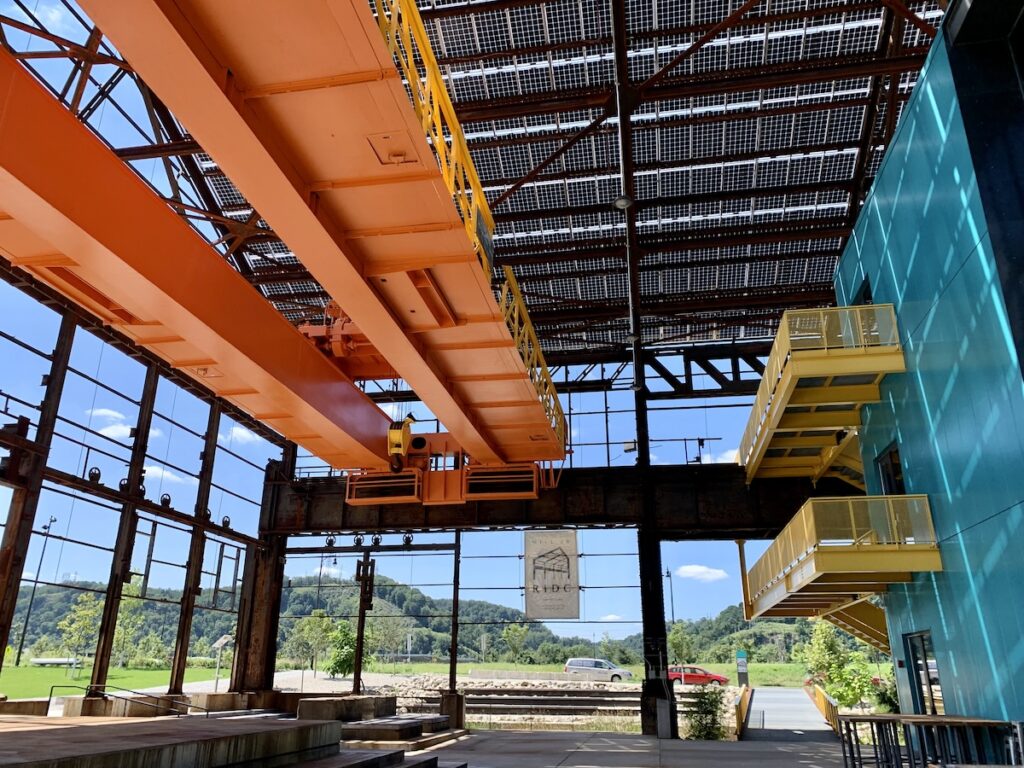
Common Brightfield Policy Approaches:
- Providing incentives to offset project costs: Incentives such as grants, low-interest loans, and tax credits can make projects more viable by reducing upfront costs. However, funding for these incentives must be secured, either through new sources or by reallocating existing funds.
- Streamlining project development: Reducing development timelines and risks through streamlined permitting, clarified requirements, and expanded funding eligibility can improve project viability. Administrative actions may facilitate these strategies without additional funding but might not fully close the cost gap with greenfield projects.
Energy developers need to secure buyers for electricity generated from renewable projects, and buyers often prioritize cost-effective solutions. Brightfields must be competitive with other clean energy projects, requiring policies to bridge the cost difference between brownfield and greenfield developments.
Learning from State Brightfield Strategies
Brightfield strategies vary by state, with existing policies offering valuable insights. Since 2014, states have been experimenting with different approaches:
Massachusetts
Massachusetts’ SMART program incentivizes solar projects on brownfields, offsetting cost differences with greenfield projects. This policy has led to 382 MW of brightfields, enough to power over 48,000 homes, saving over 1,500 acres of undisturbed land.
Illinois
Illinois mandates utilities to procure 3% of their power from brightfields and prefers solar on brownfields in community solar scoring. These policies provide clarity for buyers and developers, driving demand.
Ohio
Ohio’s “Priority Investment Area” program allows local governments to designate brownfields for incentives and streamlined permitting, offering benefits like tax exemptions and priority funding.
These examples show that brightfield policies work best when tailored to specific state contexts. For instance, Massachusetts and New Jersey have embraced multiple strategies, accounting for a significant share of brightfields built by 2024, while other states consider policies to focus on sites that face less local opposition.
Aligning Brightfield Policies with Land Reuse and Energy Goals
Energy projects typically follow paths of least resistance, prioritizing available, affordable land. States may need to reconsider what this means for them. Michigan, for example, plans to launch a Renewable Energy on Brownfields Pilot Program, while Colorado has expanded its brightfield toolkit through House Bill 1268.
Brightfields offer a solution to meet increasing energy demands by repurposing developed land and reinvesting in communities. If these goals align with policy priorities, states should consider incorporating brightfields into their broader energy strategies.
For technical assistance or queries about policies and projects, reach out to RMI’s Brightfields Accelerator.
Original Story at rmi.org