Australia is renowned for its robust food production capabilities, cultivating enough to sustain 75 million people and exporting 70% of its produce. However, this status is increasingly threatened by the mounting pressures of climate change.
According to the Australian government’s National Climate Risk Assessment, climate change is significantly impacting the country’s food systems. More intense and frequent heatwaves, floods, droughts, and bushfires are adversely affecting farmers, livestock, crops, and fisheries.
Beyond climate concerns, other factors such as fuel and fertiliser shortages, heightened by geopolitical tensions, are escalating food prices. The competition for water in the Murray-Darling Basin and supply chain disruptions are further exacerbating the challenges facing the food sector.
Australia’s Food Security Landscape
Food security is about ensuring everyone has access to safe, nutritious, and sufficient food at all times, with a sustainable food system in place. Despite Australia’s strong food production, in 2025, 20% of Australian households faced food insecurity, with many skipping meals.
Nutritional intake is also a concern. In 2022, a significant portion of the population did not meet daily fruit and vegetable consumption guidelines, and 42% of calories consumed came from ultra-processed foods, which are linked to health risks.
Australia’s supermarket industry is notably concentrated, with Coles and Woolworths accounting for 67% of sales, which impacts pricing and competition.
Effects of Climate Change
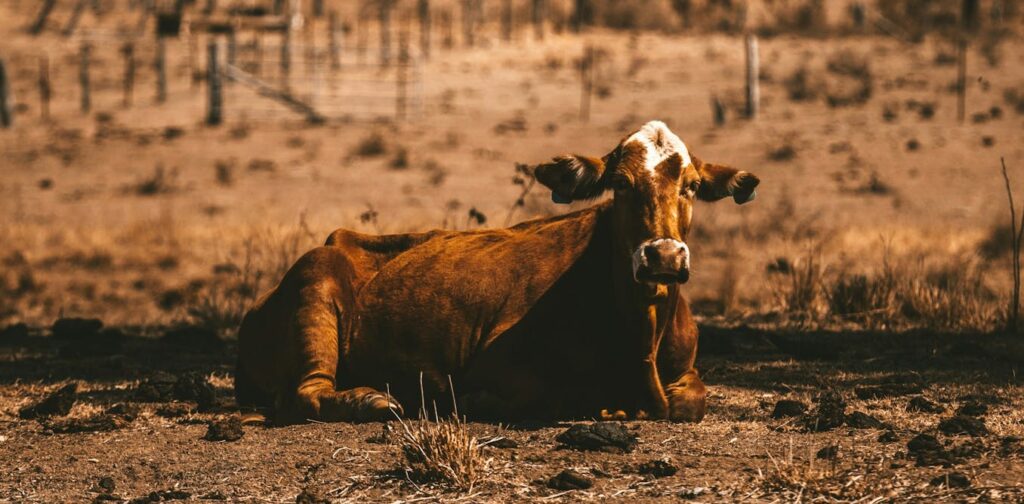
Extreme weather events are becoming more common, impacting agricultural productivity. For instance, floods in Queensland have repeatedly resulted in catastrophic losses, such as the loss of 500,000 cattle in 2019 and significant crop damage in subsequent years.
Heat stress is another issue, affecting both livestock and crop yields. Rising temperatures lead to reduced milk and meat production and poorer crop quality, as highlighted by a CSIRO report. Moreover, changes in bird migration patterns are heightening disease risks.
The Murray-Darling Basin, a vital water source for 40% of Australian farms, is under stress due to climate change and historical mismanagement, further complicating water resource competition.
Strategies for Enhancing Food Security
To improve food security, Australia could focus on developing local and diverse food supply chains, particularly in urban areas. This was evident when Lismore’s farmers’ markets quickly reopened post-flood, as noted by a market manager who stated, “supermarket shelves were completely empty [but] we had all this produce.”
Urban sprawl threatens the local food production capacity, as seen in Sydney and Melbourne. For instance, Sydney’s local food production is set to decline drastically under current development trends.
Enhancing resilience through improved water and soil management, diversified supply chains, and support for local food producers is crucial. Promoting sustainable agriculture practices can also reduce environmental impact and enhance food security.
Original Story at theconversation.com