Australia’s Climate Information Ecosystem Faces Scrutiny Amid Misinformation Concerns
Australia’s complex “information ecosystem” surrounding climate change and energy is at the center of a national debate, as a recent Senate inquiry highlights issues of misinformation and disinformation. This misinformation is reportedly causing confusion among the public, delaying renewable energy initiatives, and weakening policy approaches to the climate crisis.
According to the final report from this cross-party inquiry, the Australian government is urged to hold technology companies accountable for “psychosocial harms” propagated on their platforms. This includes a call for enhanced media literacy in schools and better oversight of corporate engagements in educational settings.
The inquiry further suggests increased investment in research to combat misinformation, emphasizing the need for an independent system to monitor digital influence. It also recommends the Australian government endorse a UN declaration initiated in Brazil in 2025 to address climate misinformation on a global scale.
Artificial intelligence’s role in hindering climate progress was another focal point of the inquiry. The potential threat it poses to the integrity of public information was underscored by various testimonies collected during the inquiry process, which included input from over 240 stakeholders ranging from academics to tech giants like Meta, TikTok, and Google.
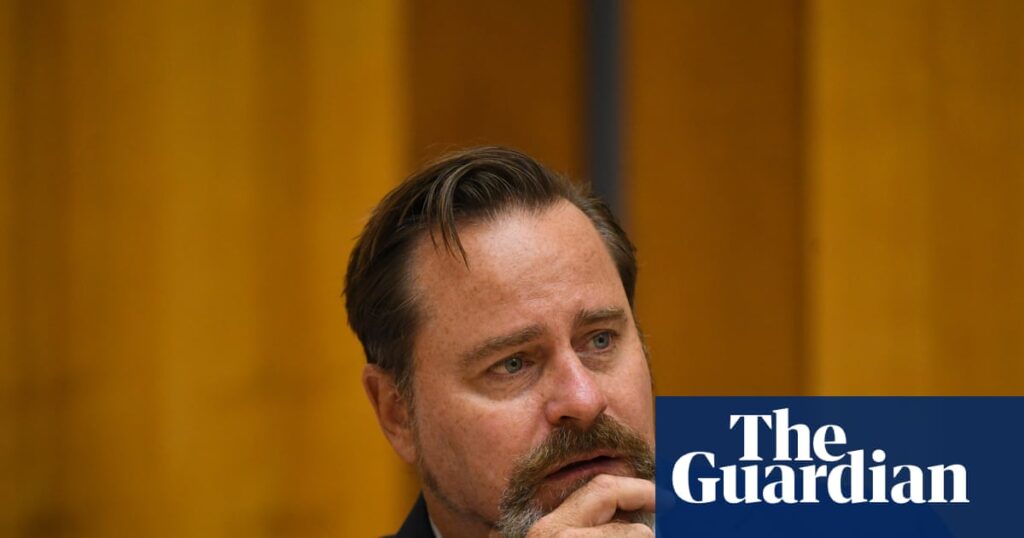
During the hearings, News Corporation defended itself against accusations of being part of a climate “denial machine,” highlighting the complex media landscape in Australia. Committee chair Peter Whish-Wilson noted the inquiry’s evidence of a “denial machine” comprising conservative think tanks and media outlets obstructing climate policy for years.
The report was supported by Greens and Labor committee members, though independent senator David Pocock and Liberal senator Andrew McLachlan believed it should have been more comprehensive, citing “a systemic failure” distorting public debate and delaying policy action.
In contrast, dissenting opinions came from Nationals leader Matt Canavan and One Nation senator Malcolm Roberts, who criticized the inquiry’s approach and dismissed human impacts on carbon dioxide levels.
This inquiry comes amid rising concerns from the Australian Security Leaders Climate Group, which posits that climate disinformation is escalating from a communications issue to a national security threat. Retired admiral Chris Barrie emphasized the urgency of this challenge, linking Australia’s energy crisis to its reliance on fossil fuels and the global disinformation war undermining clean energy progress.
Original Story at www.theguardian.com